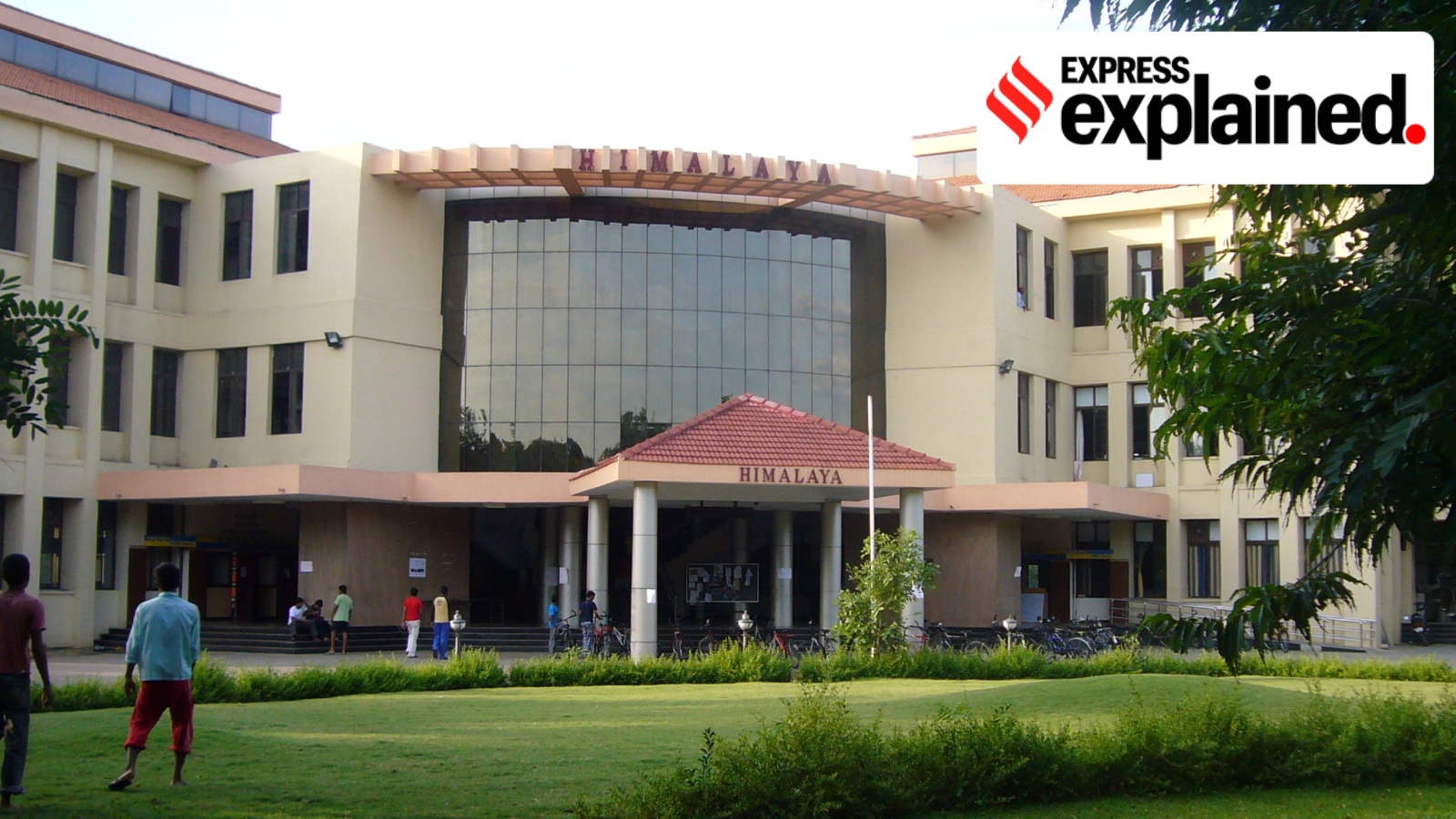
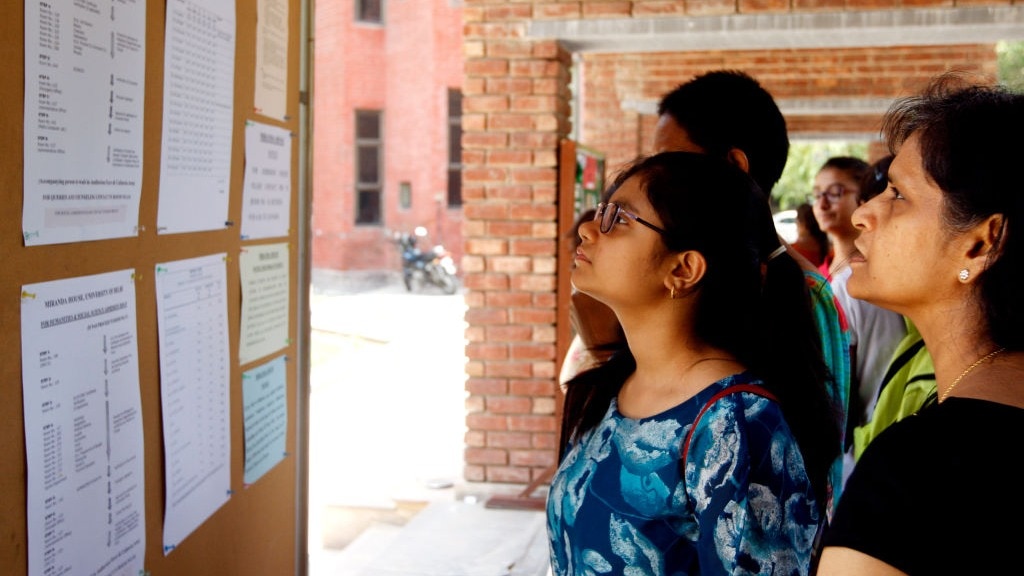
A NITI Aayog report reveals a staggering decline in government school enrollment as nearly 94,000 schools have shut down over the last decade. This trend disproportionately impacts the poorest students and violates the Right to Education mandates.
Key Takeaways
- Approximately 94,000 government schools have closed in the last decade.
- Government school enrollment share dropped from 71% in 2005 to 49.24% in 2024-25.
- States like Uttar Pradesh and Madhya Pradesh are seeing the sharpest declines.
- The closure of local schools forces children, especially girls, to travel long distances.
India is witnessing a silent crisis in its public education system. According to a recent NITI Aayog report, nearly 94,000 government schools have been closed over the past ten years—an average of 25 schools every single day. This massive shutdown has led to a decline of 2.26 crore in government school enrollments, fundamentally shifting the landscape of Indian education.
The government justifies these closures under the banner of 'school rationalisation.' While the National Education Policy (NEP) 2020 supports rationalization, it explicitly mandates that such moves must not jeopardize the concept of 'neighbourhood schools.' However, current administrative decisions in various states suggest a different reality, where schools are being merged or closed, leaving rural and marginalized communities stranded.
Why This Matters
BozokMedia analysis shows that government schools are not merely public utilities; they are the lifeline for the most vulnerable sections of society, including Scheduled Castes (SC), Scheduled Tribes (ST), and those below the poverty line. When a local school vanishes, the burden falls disproportionately on girls and the poorest families who cannot afford private alternatives or the cost of long-distance travel.
Rationalization without accessibility is not optimization; it is exclusion.
Regional Impact and Data
The impact is most severe in states like Uttar Pradesh, Madhya Pradesh, and Jammu & Kashmir. In Madhya Pradesh, over 7.37 lakh children lack any school records, and thousands fall into the 'Drop Box' category—children at imminent risk of dropping out. In Jammu & Kashmir, the rationalization scheme has forced students to travel 4 to 6 km daily, a direct violation of the Right to Education (RTE) Act mandates regarding proximity.
| State | Estimated School Decline | Core Impact |
|---|---|---|
| Uttar Pradesh | 25,000+ | Massive rural school mergers |
| Madhya Pradesh | 22,600+ | Large numbers of 'unmapped' children |
| Jammu & Kashmir | ~4,300 | Violation of neighbourhood school norms |
Frequently Asked Questions
1. What is the 'Drop Box' category mentioned in reports?
It refers to children who are at high risk of dropping out or those who are not currently enrolled in any formal schooling system.
2. Is the government responsible for these closures?
While education is on the Concurrent List (shared by Centre and States), the RTE is a Central Act, making both levels of government responsible for ensuring access.