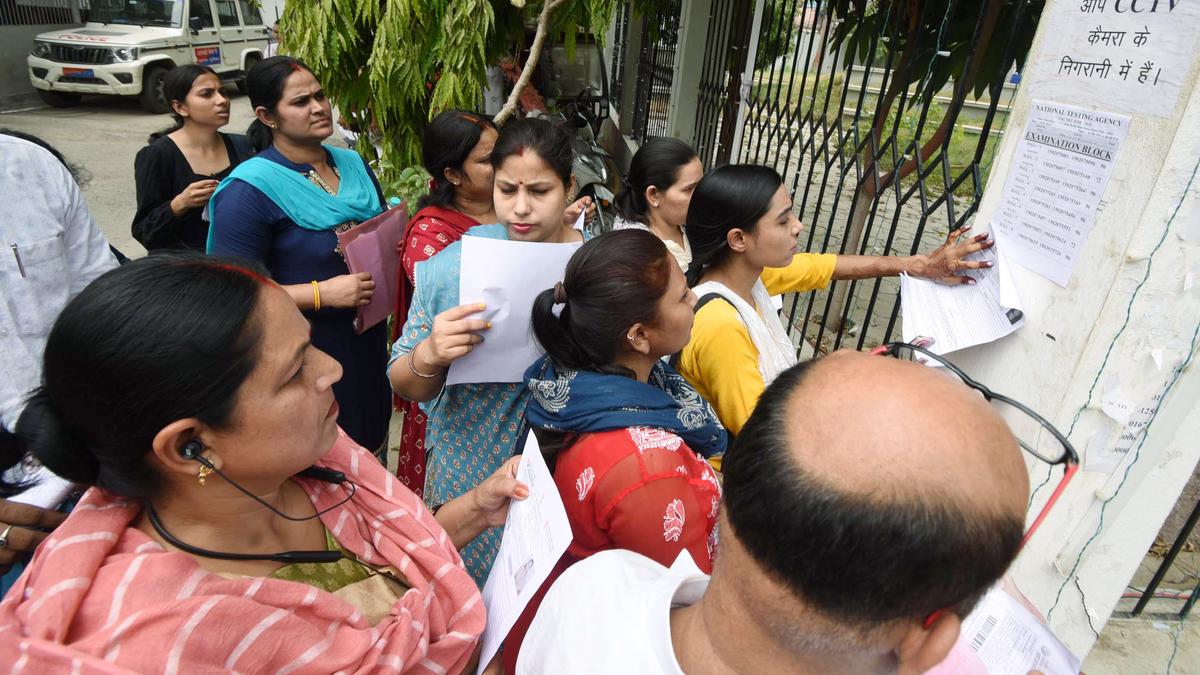
The Ministry of Education briefed the Supreme Court on a sweeping overhaul of the NEET exam, introducing a 10‑layer security protocol, AI safeguards and blockchain tracking to eliminate future paper leaks. These measures follow the 2026 leak scandal and aim to restore confidence in India’s entrance examinations.
Key Takeaways
- 10‑layer security protocol implemented
- AI and blockchain used for exam integrity
- High‑powered task force led by Nandan Nilekani
The Centre told a Supreme Court bench that, after the 2026 NEET paper leak, it has completely overhauled the examination framework. The Ministry of Education unveiled a “fortress” model featuring a 10‑stage security protocol, air‑gapped AI drafting tools, and blockchain‑based tracking to make paper leaks virtually impossible.
Under the new system, every question paper and OMR sheet will carry a unique serial number linked to an individual candidate. Papers will be sealed in six layers of tamper‑evident packaging, including steel trunks locked with one‑time‑use locks that can only be opened by cutting. This multi‑layered approach drastically reduces the risk of unauthorized access.
In parallel with technology upgrades, the government introduced tougher legislation. The Public Examinations (Prevention of Unfair Means) Amendment Act, 2026, expands penalties to up to ten years’ imprisonment and fines of up to ₹1 crore for offenses such as paper leaks, impersonation, and computer tampering. A high‑powered task force, chaired by Infosys co‑founder Nandan Nilekani, has been given three months to recommend further structural reforms, emphasizing AI and blockchain integration.
Historical Background
NEET‑UG 2026 faced a major scandal when allegations of a paper leak forced the National Testing Agency to cancel the May 3 exam and conduct a re‑examination on June 21. The Supreme Court criticised the NTA for not learning from previous incidents and called for a more autonomous examination body. The current affidavit assures the apex court that the revamped system will be transparent, secure, and resistant to organized malpractice.
Why This Matters
BozokMedia analysis shows that strengthening examination security not only restores public confidence but also sets a precedent for digital transformation across India’s education sector, influencing policy decisions in other high‑stakes exams.
"AI‑driven, blockchain‑secured examinations are the future of fair assessment," says Dr. Ananya Rao, senior education technologist.
Frequently Asked Questions
- Q: When will the new security protocol be operational? A: It will be mandatory for all NEET examinations starting from the 2027 session.
- Q: Will candidates bear any additional costs due to the new technology? A: No, all digital security measures are funded by the government.