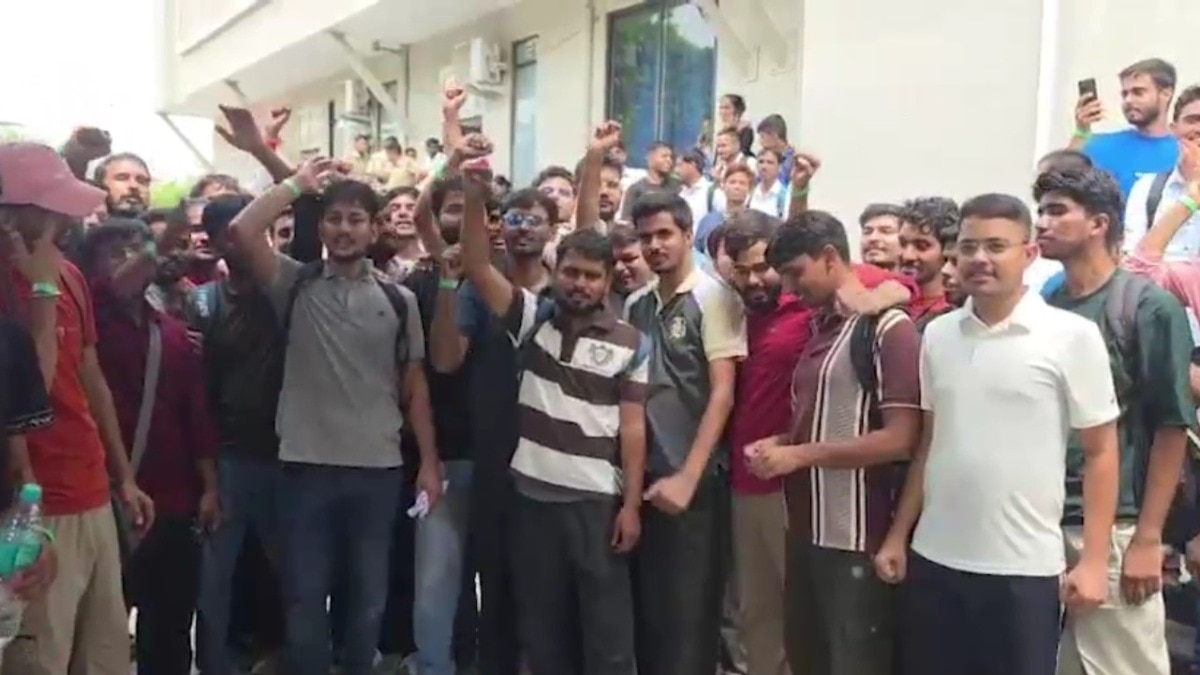
As the new academic session begins, Delhi University students are confronting skyrocketing rents, rental scams, and substandard living conditions. Many find it nearly impossible to secure affordable accommodation within their limited budgets.
Key Takeaways
- Rents soaring up to ₹20,000 per month
- Broker fraud and security‑deposit disputes
- Accessibility gaps for students with disabilities
Session Kick‑off and Rental Pressure
With thousands of freshers arriving for the new term, finding a place near Delhi University has turned into a costly hunt. Even modest PG rooms are advertised at ₹20,000–₹22,000, while many students receive only ₹10,000 from home.
Student Voices from the Ground
Ahmed, 18, from Kargil, described the “sticker shock” of seeing single rooms priced at ₹22,000. He eventually settled for a ₹10,500 room that lacks ventilation, a kitchen, or proper sanitation.
Manisha, arriving from West Bengal, spent a week before landing a shared room in Ghanta Ghar for ₹6,000 each, walking everywhere to stretch her limited budget.
Challenges for Disabled Students
Himanshi, from Bihar, highlighted the scarcity of wheelchair‑friendly homes. Some one‑bedroom units are quoted at nearly ₹40,000, yet lack ramps or adequate lifts.
Rental Fraud and Deposit Issues
Post‑graduate student Santosh paid a token and advance rent after viewing online photos, only to discover the property was entirely different. Many students report landlords withholding deposits or altering terms after contracts are signed.
Why This Matters
BozokMedia analysis shows that the escalating housing costs not only strain students' finances but also risk their academic performance and mental health, potentially affecting the university's reputation and enrollment numbers.
“When rent burdens impede learning, the entire educational ecosystem suffers.” – Dr. Rajat Singh, Education Policy Expert
Historical Background
Over the past five years, Delhi’s average rent has surged by 35%, especially around university corridors. The spike is driven by rising population, limited housing stock, and exploitative broker fees.
Frequently Asked Questions
Q1: Does the university provide official housing assistance?
A: While the university offers limited hostel seats and a few rent‑subsidy schemes, they cannot accommodate the growing demand.
Q2: How can students protect themselves from rental scams?
A: Use reputable platforms, secure written agreements, and obtain receipts for any security deposit paid.