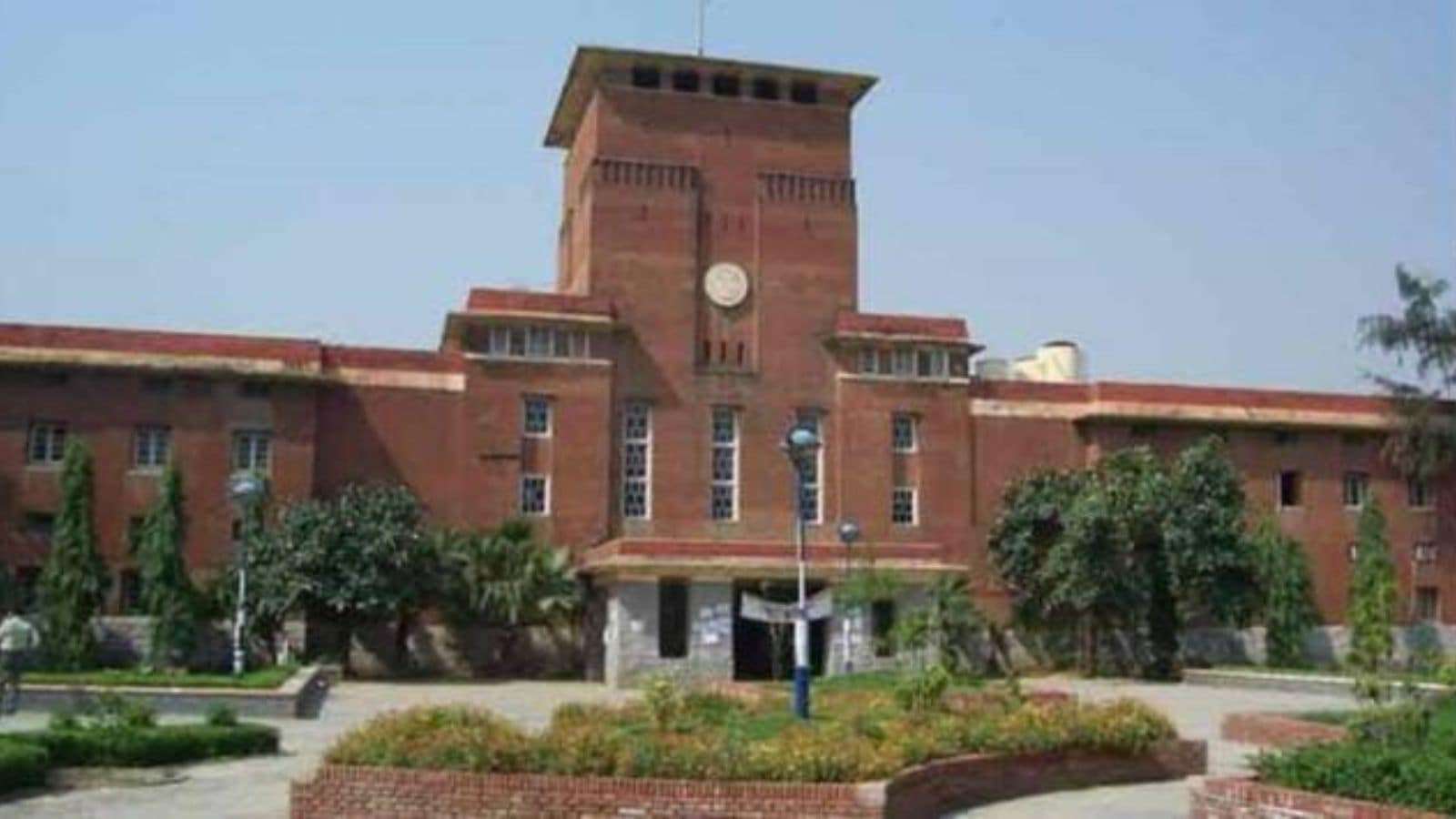
A major cocaine trafficking operation involving Penn State University students and two prominent fraternities has been uncovered in Pennsylvania, leading to 14 criminal charges.
- 14 individuals have been criminally charged in a Pennsylvania cocaine trafficking case.
- 13 of the defendants were students at Penn State University during 2023-2024.
- Sigma Chi and Delta Upsilon fraternity houses were used as packaging hubs.
- The operation involved organized trips to Philadelphia and New York for supply.
In a massive crackdown on organized crime within academic circles, the Pennsylvania Attorney General's Office announced on Monday that more than a dozen individuals have been charged in connection with a sophisticated cocaine-trafficking ring. The investigation has revealed deep ties to two prominent student organizations, Sigma Chi and Delta Upsilon, at Penn State University.
The Anatomy of the Trafficking Ring
According to investigators, the operation was far from amateur. A total of 14 defendants face charges, including four facing felony counts of corrupt organizations and conspiracy. The core of the operation involved two main suppliers who allegedly made routine trips to Philadelphia and New York to procure large quantities of cocaine. Once obtained, the narcotics were transported back to campus, where they were packaged primarily within the fraternity houses before being distributed to the student body.
Pennsylvania Attorney General Dave Sunday emphasized the gravity of the situation during a press conference, stating, "This was an upper-level trafficking organization for this region in Pennsylvania. There was nothing junior or childlike about this type of conduct." Sunday further noted a disturbing trend where new members, or 'pledges,' were being indoctrinated into the fraternities through the manual labor of cutting and bagging cocaine.
Institutional Response and Legal Fallout
The fallout from the investigation has been immediate. Justin Kirk, Executive Director of Delta Upsilon, issued a statement confirming that the international fraternity is aware of the allegations and has taken decisive action by expelling or suspending members involved. Sigma Chi headquarters has yet to issue a formal comment regarding the involvement of their members in the distribution network.
The legal implications are severe, with several defendants facing felony charges related to conspiracy and corrupt organizations. Notably, one defendant, the father of a student, has been charged with tampering with evidence and hindering the investigation, highlighting the extent to which criminal elements attempted to shield the operation.
Why This Matters
BozokMedia analysis shows that this case highlights a growing vulnerability in higher education environments, where social organizations can be co-opted into organized criminal structures. The intersection of campus life and high-level narcotics trafficking poses significant risks to student safety and institutional integrity, requiring more robust oversight from university administrations.
The transition from campus social clubs to organized criminal hubs represents a critical failure in student organization oversight.
Frequently Asked Questions
Question 1: Which fraternities were implicated in the case?
Answer: The investigation identified Sigma Chi and Delta Upsilon as the primary locations used for packaging the cocaine.
Question 2: How many students were involved?
Answer: Out of the 14 defendants charged, 13 were identified as Penn State University students at the time of the crimes.