While PM Modi promises free coaching to ease the burden of competitive exams, experts argue that without fixing school infrastructure and teacher training, coaching will remain a necessity rather than an option.
- Free coaching addresses the symptoms of exam pressure, not the root cause of poor schooling.
- Digital platforms like Diksha and Swayam require independent audits to verify their true effectiveness.
- Tamil Nadu's hybrid model of model schools and offline coaching offers a more sustainable blueprint.
- Infrastructure and teacher training must be prioritized over outcome-only metrics.
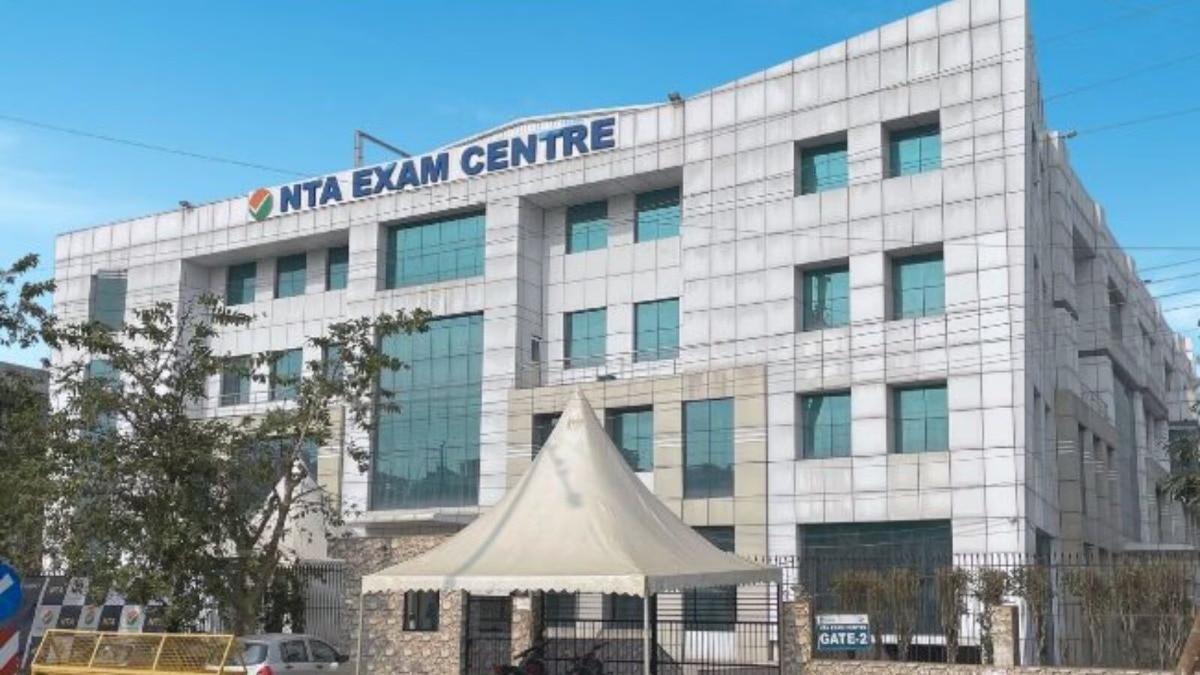
During a recent discussion on competency-based assessment, a high-achieving student pointed out a systemic flaw: the tightening of exam standards is inadvertently fueling the coaching industry. This highlights a critical failure in our school system—a focus on outcomes without the necessary investment in teacher training and physical infrastructure.
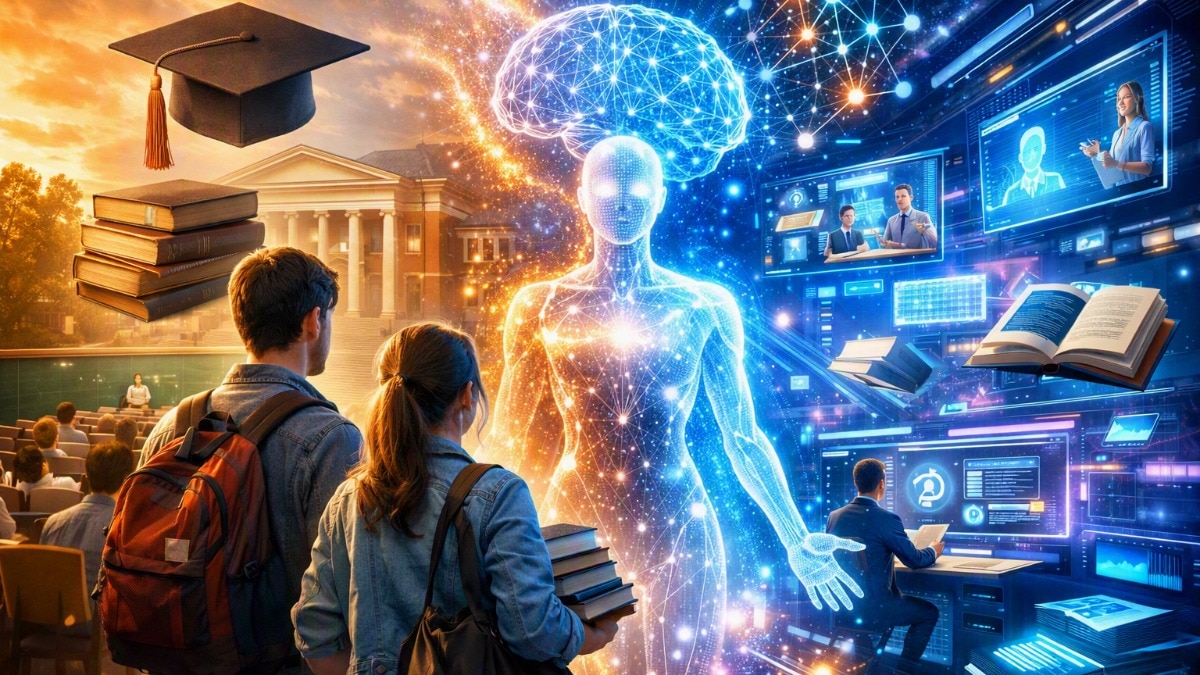
At the Red Fort, Prime Minister Narendra Modi addressed this drain on family finances by promising free coaching classes for competitive exams like NEET and JEE. While India has leveraged digital platforms such as Diksha and Swayam to reach millions, the correlation between digital access and actual student success remains unproven by independent, longitudinal studies.
Why This Matters
BozokMedia analysis shows that relying solely on digital learning creates a massive equity gap. Internet connectivity and device availability are major hurdles in rural India. Without a robust, offline-integrated system, digital-only initiatives risk leaving the most vulnerable students behind.
The necessity of coaching for exams that test fundamental school knowledge is a severe indictment of the current Indian schooling system.
The state of Tamil Nadu offers a compelling alternative to the digital-only approach. Instead of merely opposing entrance exams, the state has moved toward a hybrid model. By establishing 'Model Schools' with highly trained teachers and providing weekend coaching at the block level, they have created a tangible support system for government school students.
The results are measurable. In the 2026–27 academic cycle, Tamil Nadu's 7.5% reservation for government school students in MBBS admissions has helped bridge the gap, ensuring that bright students from underprivileged backgrounds secure medical seats.
| Approach | Digital-Centric Model | Tamil Nadu Hybrid Model |
|---|---|---|
| Primary Method | Online/Virtual Platforms | Classroom-based + Digital Support |
| Infrastructure | Internet/Device Dependent | Physical Model Schools/Block Centers |
| Teacher Focus | Content Delivery | Advanced Pedagogical Training |
To scale such success nationally, the central government could utilize the upcoming PM Shri schools as offline hubs. However, any national strategy must include significant budgetary support for teacher training and physical infrastructure to ensure that 'free coaching' doesn't just become another band-aid on a deep wound.
Frequently Asked Questions
1. Why isn't digital learning considered a complete solution?
Digital learning faces challenges like the digital divide, uneven internet connectivity, and the lack of personalized teacher interaction found in physical classrooms.
2. How can India improve its school-to-competitive-exam pipeline?
By investing in school-level infrastructure, improving teacher training, and adopting hybrid models that combine offline classroom support with digital resources.