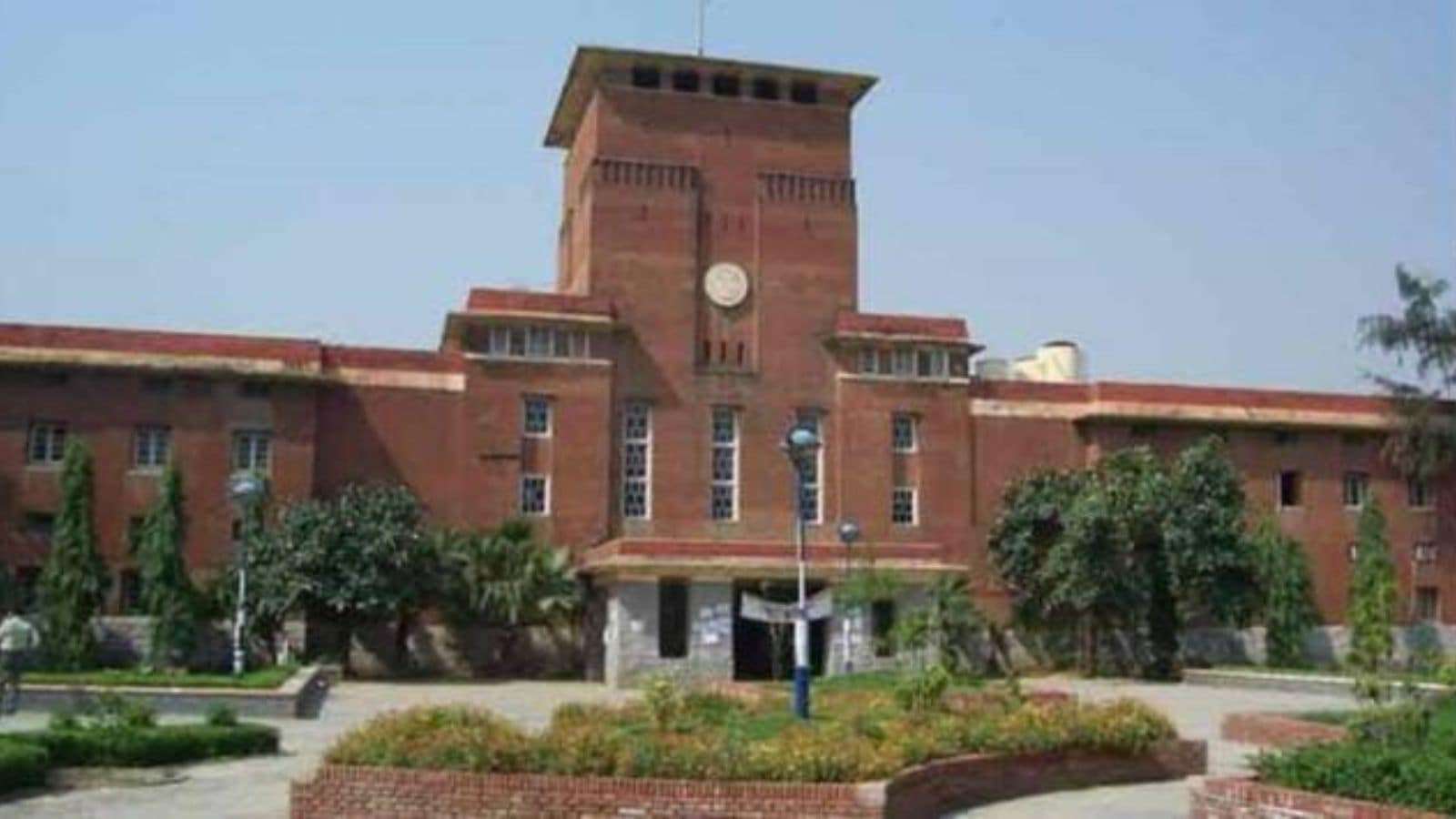
According to Bloomberg, there has been a significant 10% decrease in international student applications to US colleges this year, signaling a shift in global education trends.
- International applications to US higher education institutions have declined by 10%.
- Rising costs and geopolitical shifts are cited as primary drivers.
- Global competition from other nations is intensifying.
A recent report by Bloomberg has highlighted a concerning trend in the global education landscape. Data reveals that applications from international students to US colleges and universities have plummeted by 10% this year. This decline poses a significant challenge to the American higher education model, which has long relied on global talent to fuel its research and economic vitality.
Market analysts suggest that several intersecting factors are driving this exodus. The skyrocketing cost of tuition, coupled with the rising cost of living in major US academic hubs, has made American education less accessible. Furthermore, complexities in the visa application process and shifting immigration sentiments in the United States have created a sense of uncertainty among prospective students.
Why This Matters
BozokMedia analysis shows that this trend is more than just a dip in numbers; it represents a potential shift in the global hierarchy of academic influence. As the US becomes more expensive and administratively difficult to navigate, the 'brain drain' may shift toward more welcoming and affordable destinations.
The decline in international enrollment could significantly impact the long-term innovation capacity of US research institutions.
Historically, the United States has maintained a dominant position as the world's premier destination for higher learning. However, the rise of competitive academic ecosystems in Europe, Canada, and Australia is providing students with viable, cost-effective alternatives that offer similar prestige without the same level of bureaucratic friction.
Historical Background
For decades, the US was the undisputed leader in attracting global talent. However, since the mid-2010s, changes in immigration policy and the increasing globalization of education have begun to erode this monopoly, leading to the current volatility in application numbers.
Frequently Asked Questions
1. What are the main reasons for the decline?
The primary drivers include high tuition fees, rising living expenses, and more stringent visa regulations.
2. Which countries are gaining from this?
Countries like Canada, the UK, and Australia are increasingly becoming attractive alternatives for international students.