From Lucknow to Kannauj, students across Uttar Pradesh are staging protests over teacher shortages, poor food, and crumbling infrastructure, forcing the state government to order massive inspections.
- Students in multiple UP districts protested for basic needs like clean water, fans, and teachers.
- Protests in Lucknow and Unnao led to major traffic disruptions on highways.
- The UP government has ordered inspections of all 103 state-run Sarvodaya residential schools.
- The Allahabad High Court intervened in a Hamirpur road protest, directing a PIL.
A wave of student-led agitations is sweeping across Uttar Pradesh, signaling a significant shift in how the younger generation engages with authority. From the bustling streets of Lucknow to the residential hostels of Kannauj, 'Gen Alpha' students are no longer silent observers of systemic failures; they are becoming active protesters demanding their fundamental rights.
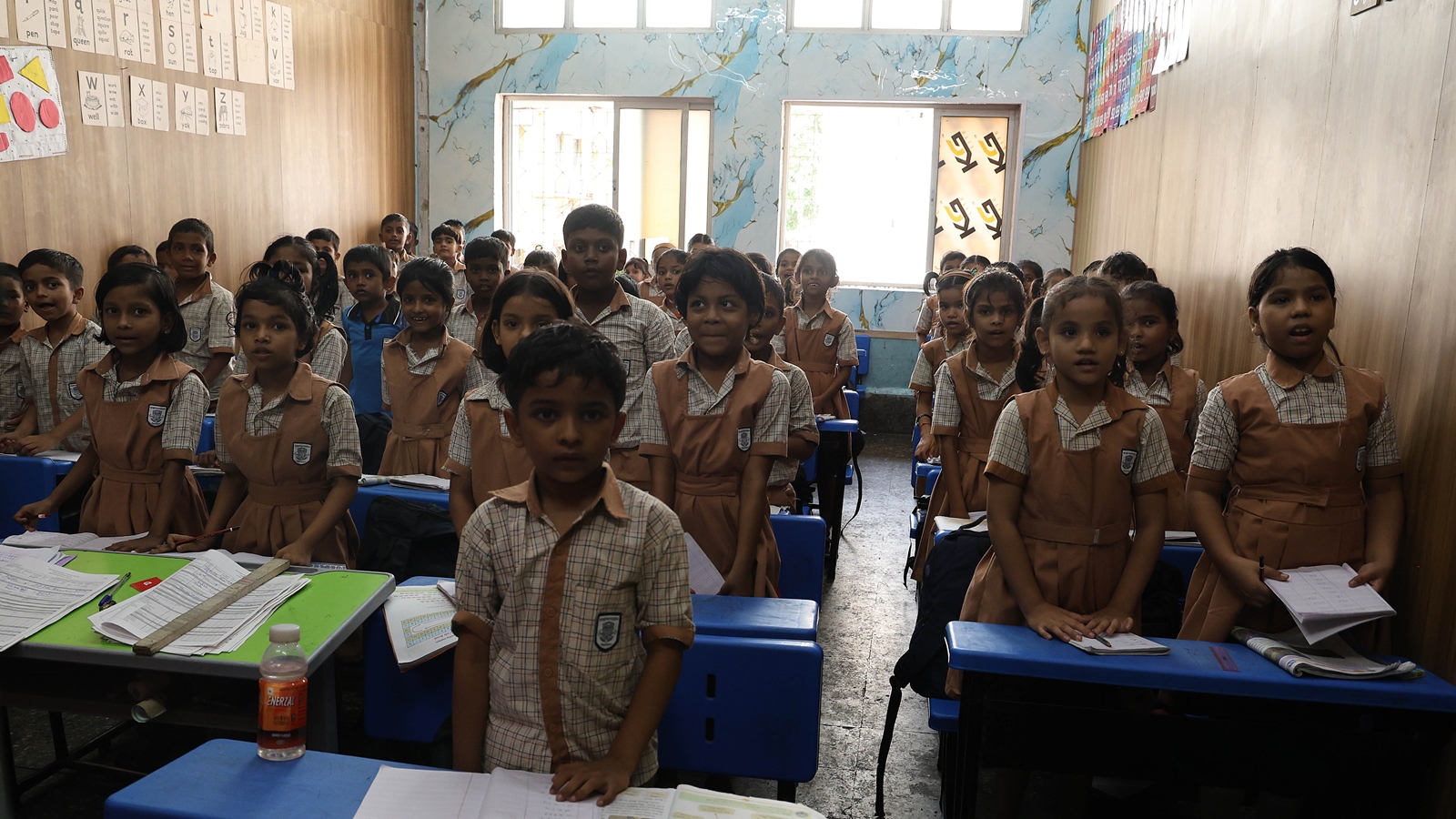
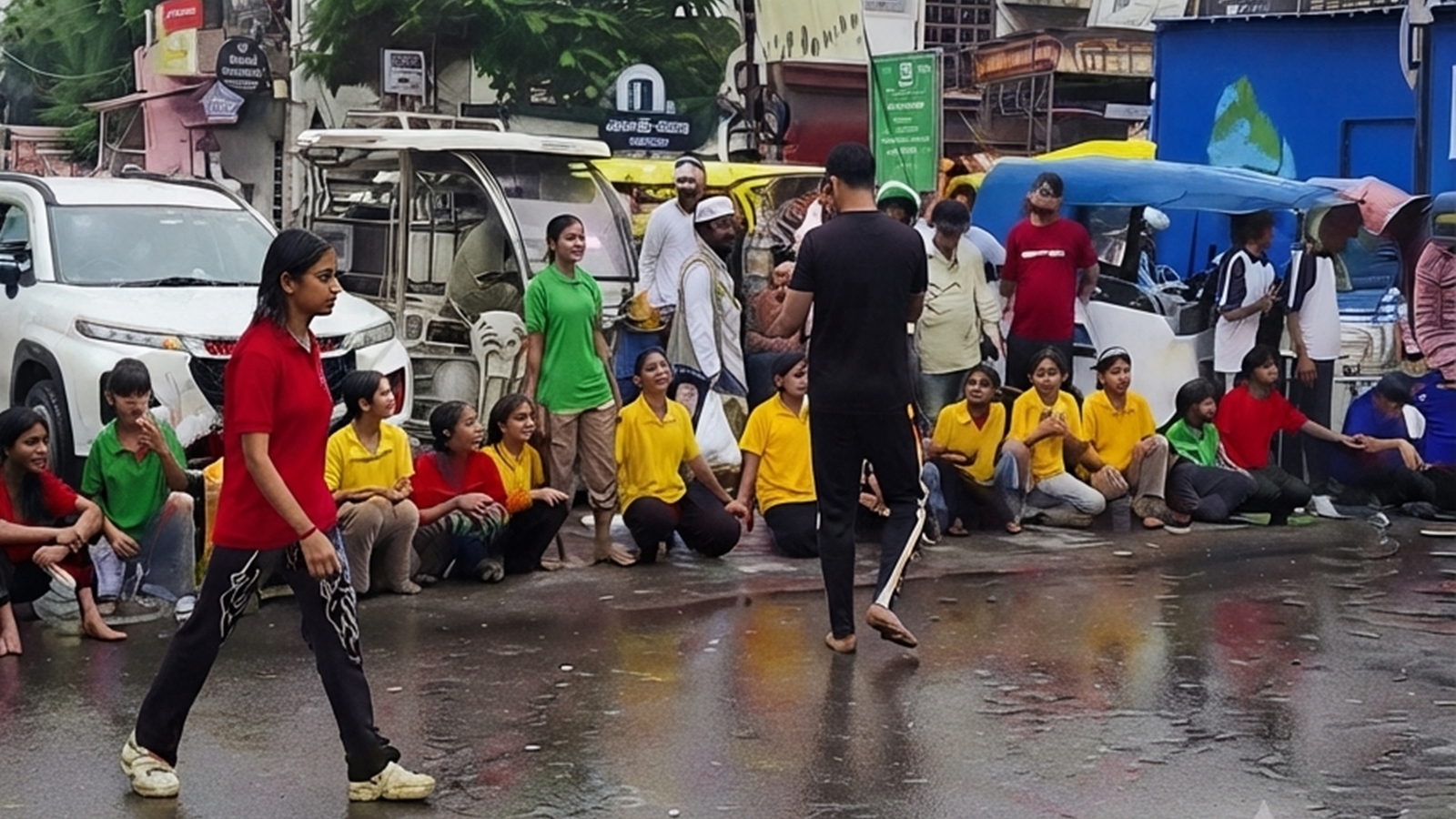
In Unnao and Lucknow, the protests took a dramatic turn as hundreds of students blocked major thoroughfares, including the Lucknow-Dubbaga Bypass, amidst heavy rainfall. The grievances were consistent across districts: a severe shortage of teachers, sub-standard mid-day meals, lack of clean drinking water, and dilapidated classroom infrastructure. The scale of these protests forced the Uttar Pradesh government to initiate a massive inquiry into all 103 Sarvodaya residential schools managed by the Social Welfare Department.
Why This Matters
BozokMedia analysis shows that this movement represents a fundamental change in student agency. Unlike previous generations of student politics that were often driven by external political actors, these protests are purely demand-driven and focused on immediate, tangible improvements in their daily educational environment. This grassroots activism is putting unprecedented pressure on local administrations to deliver on basic service mandates.
The shift from classroom complaints to street protests indicates a breakdown in the traditional grievance redressal mechanisms within the state's education system.
The situation in Fatehpur showcased the power of organized student action. Over 1,000 students gathered to demand repairs to leaking roofs and the installation of fans. Their persistence paid off when the District Inspector of Schools intervened, leading to the immediate installation of RO water filters and fans. Meanwhile, in Hamirpur, the protest took a legal dimension. After students marched 5 km to demand road repairs, the Allahabad High Court took suo motu cognizance of the issue, treating it as a Public Interest Litigation (PIL).
In Kannauj, the protest took a more localized, intense form. Students at Jawahar Navodaya Vidyalaya locked themselves inside their hostel rooms at dawn to protest against poor food quality and alleged staff misconduct. This variety of protest methods—from road blockades to hostel lockdowns—highlights the desperation and determination of the students.
Historical Background
Historically, student activism in India has been a cornerstone of social change. However, the current wave is unique due to its focus on 'micro-infrastructure'—the very basics of schooling like fans, toilets, and water—rather than large-scale political ideologies. This reflects a generation that is hyper-aware of the quality of life and the standards they are entitled to in a modernizing India.
Frequently Asked Questions
Question 1: What are the primary demands of the protesting students?
Answer: Students are demanding more teachers, better quality food, functioning fans, clean drinking water, and repaired school buildings/roads.
Question 2: How did the High Court respond to the protests in Hamirpur?
Answer: The Allahabad High Court directed the matter to be registered as a PIL, ensuring that the administration takes responsibility for the road repairs.