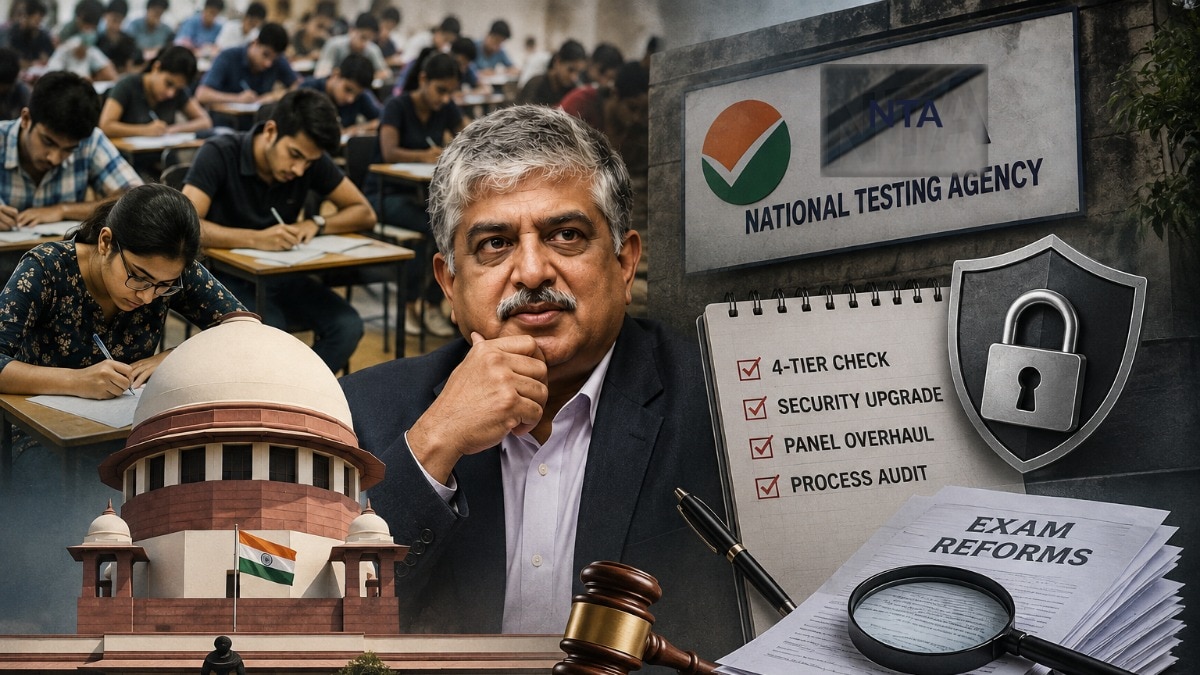
Twenty-five days into the mandate of the Nandan Nilekani-led panel, no formal recommendations have been released regarding India's massive examination overhaul. The delay raises questions about the pace of critical educational reforms.
- The Nandan Nilekani-led committee has completed 25 days of deliberation.
- No official recommendations or draft reports have been submitted yet.
- The panel is tasked with a fundamental overhaul of India's assessment systems.
The high-stakes mission to revamp India's examination system is currently facing a period of quiet deliberation. Despite being 25 days into its mandate, the panel headed by renowned technocrat Nandan Nilekani has yet to release any formal recommendations. This period of inactivity has drawn scrutiny from stakeholders who are eager to see a modernized approach to student assessment in the country.
The core objective of this panel is to move away from traditional rote-learning models toward a more holistic, skill-based evaluation framework. As India seeks to align its education standards with global benchmarks, the output of this committee is expected to be a cornerstone of future academic policy. However, the lack of immediate progress suggests the committee is grappling with deeply complex systemic issues.
Why This Matters
BozokMedia analysis shows that the timing of these reforms is critical. Any delay in redefining how students are tested can lead to a mismatch between academic credentials and industry requirements, potentially impacting the employability of millions of graduates in the long run.
The overhaul of the examination system is not merely a technical adjustment; it is a fundamental restructuring of how India identifies and nurtures talent.
Historically, India has undergone several educational shifts, most notably with the National Education Policy (NEP) 2020. The Nilekani panel is expected to provide the technical roadmap for implementing the assessment changes envisioned in the NEP, ensuring that technology and data-driven insights are integrated into the testing process.
It is anticipated that the panel is conducting extensive consultations with educators, industry leaders, and technology experts. The final recommendations are likely to address topics such as continuous evaluation, the integration of AI in testing, and reducing the high-stakes pressure of single-day examinations.
Frequently Asked Questions
1. What is the scope of the Nilekani panel?
The panel is focused on restructuring India's assessment and examination framework to make it more comprehensive and modern.
2. Why is there a perceived delay?
The complexity of the Indian education system requires extensive stakeholder consultation and data analysis, which naturally extends the timeline.