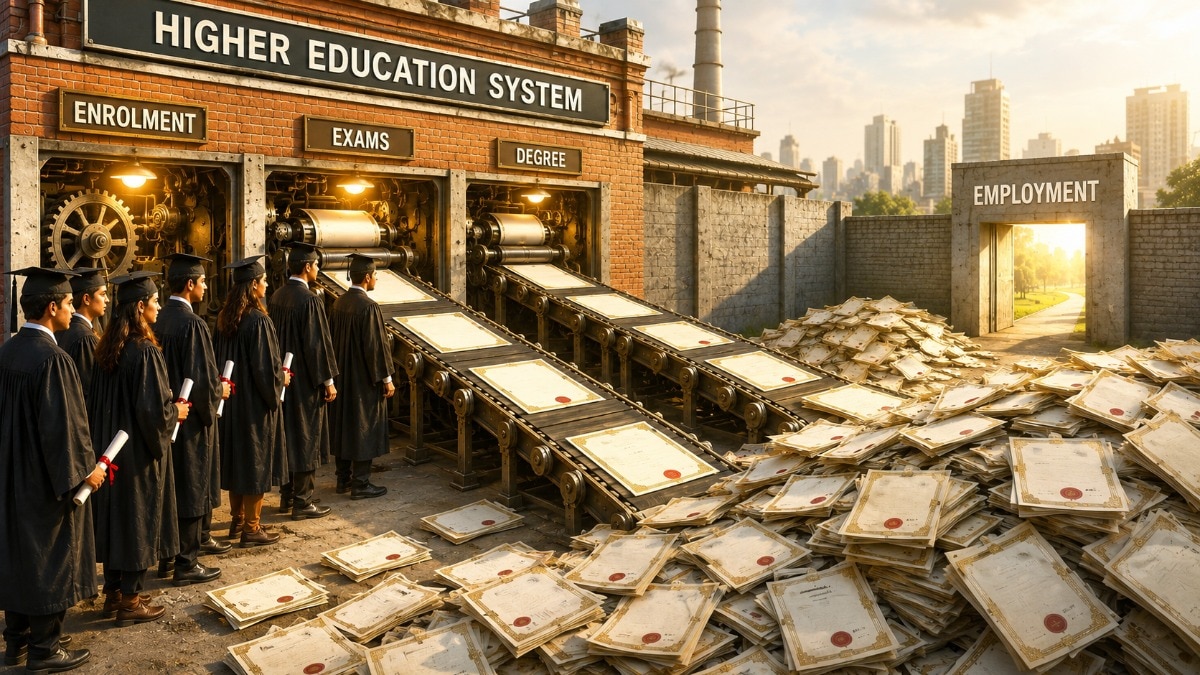
A massive shortage of admissions in Tamil Nadu's engineering colleges has surfaced, with nearly 100,000 seats lying vacant, signaling a shift in the educational landscape.
- Approximately 1,00,000 engineering seats in Tamil Nadu remain vacant.
- A significant mismatch exists between academic curriculum and industry requirements.
- The financial viability of many private engineering institutions is at risk.
Tamil Nadu, a cornerstone of India's industrial and manufacturing sector, is witnessing a worrying trend in its higher education landscape. Recent reports indicate that nearly 1 lakh engineering seats across the state remain unfilled. This alarming vacancy rate raises critical questions about the relevance of current technical education and the changing aspirations of students.
The crisis appears to be multi-faceted. Industry experts suggest that the primary driver is the widening gap between traditional engineering curricula and the rapidly evolving demands of the global tech market. Students are increasingly gravitating towards specialized, high-growth fields such as Artificial Intelligence, Machine Learning, and Cybersecurity, leaving conventional branches underpopulated.
Why This Matters
BozokMedia analysis shows that this trend could lead to a domino effect, where underfunded colleges struggle to maintain infrastructure, leading to a further decline in quality and placement opportunities. This creates a vicious cycle that threatens the state's reputation as a premier hub for technical talent.
The mismatch between what is taught in classrooms and what is required in boardrooms is creating a massive talent deficit that needs urgent policy intervention.
Furthermore, the proliferation of government-funded institutions and the rise of specialized skill-based training centers have diverted the student population away from traditional private engineering colleges. Many institutions that were once pillars of the state's education system are now struggling to stay afloat.
Historical Background
For decades, Tamil Nadu has been a leader in the democratization of technical education in India. The state saw a massive boom in private engineering colleges during the late 1990s and early 2000s, which successfully fueled the growth of the IT and manufacturing sectors. However, the current era of digital transformation is testing the resilience of this established model.
Frequently Asked Questions
Question 1: Why are so many seats remaining vacant?
Answer: The main reasons include a mismatch in skill sets, the rise of specialized short-term courses, and changing student preferences.
Question 2: How does this affect the state's economy?
Answer: A shortage of adequately trained engineers can hinder industrial growth and innovation in the long run.