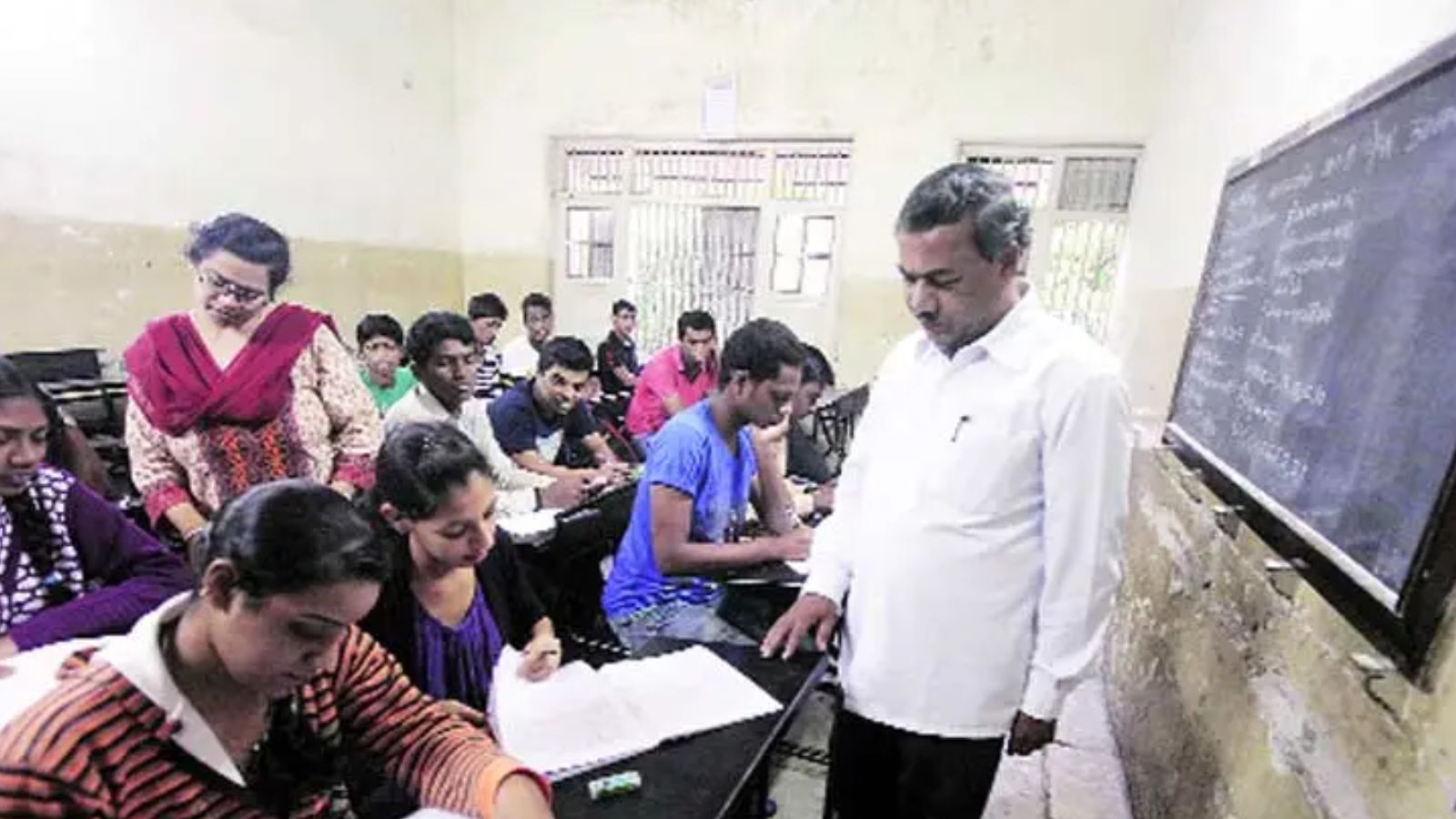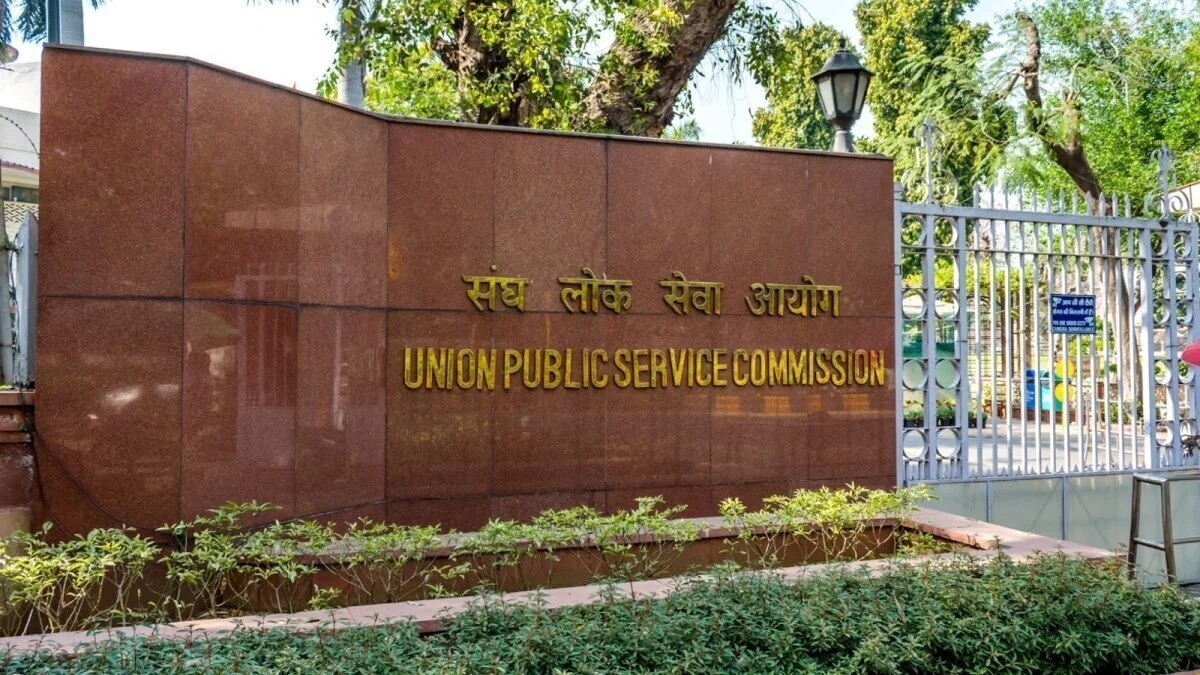
The UPSC GS Paper 1 in the 2026 Mains exam shifted focus from mere factual recall to analytical application and social sensitivity. Candidates must now bridge the gap between textbook knowledge and contemporary real-world issues.
- The exam emphasized the practical application of facts rather than simple memorization.
- An integrated approach combining history, geography, and sociology is essential for high scores.
- Candidates demonstrating social sensitivity and awareness of contemporary issues gained an advantage.
The UPSC Civil Services Mains 2026 General Studies (GS) Paper 1 has sent a clear signal to aspirants: the era of rote learning is fading. While the paper retained its core focus on History, Geography, and Society, it placed unprecedented emphasis on analytical ability and the application of knowledge to complex, real-world scenarios. Conducted for 250 marks, the paper tested whether candidates could transcend textbook definitions to address modern societal challenges.
From Siloed Learning to Integrated Thinking
According to Dr. AR Khan, Director of Khan Study Group, the paper demanded more than just factual clarity. While questions on Ashokan inscriptions or Aeolian processes required specific knowledge, the real test lay in connecting these facts to contemporary developments. "The paper has maintained its conventional outlook... but they are trying to see how the whole thing fits into the contemporary," Khan noted.
Why This Matters: BozokMedia Analysis
BozokMedia analysis shows that the UPSC is evolving its selection criteria to identify administrators who possess multi-dimensional thinking. By intertwining geography with social transformation and history with political evolution, the Commission is filtering for candidates who can navigate the complexities of governance in a rapidly changing world.
'Mere factual collection may not be enough. You should see how they really apply to the real world.' — Dr. AR Khan
The inclusion of topics like the Fujiwhara effect and specific wind patterns (Loo, Chinook, Foehn) required candidates to explain climatic impacts rather than just naming them. Similarly, questions regarding water resources and land-use changes forced students to integrate demographic shifts with environmental consequences, rewarding those who study subjects as interconnected ecosystems rather than isolated chapters.
Social Sensitivity and Policy Awareness
A standout feature of the 2026 paper was its focus on social sensitivity. Questions regarding disability and inclusive policy frameworks were designed to test not just a candidate's awareness of law, but their empathy and understanding of social equity. Furthermore, the debate on 'unity in diversity' amidst rising communalism and regionalism required a nuanced, argumentative approach rather than a standard descriptive answer.
Frequently Asked Questions
1. Was the GS Paper 1 considered difficult by experts?
Experts like Shekhar Dutt described it as relatively straightforward and doable, though they warned that difficulty levels might fluctuate in GS Papers 2 and 3.
2. How should aspirants prepare for the new pattern?
Aspirants should focus on interdisciplinary studies, linking static syllabus topics with current affairs and social issues.