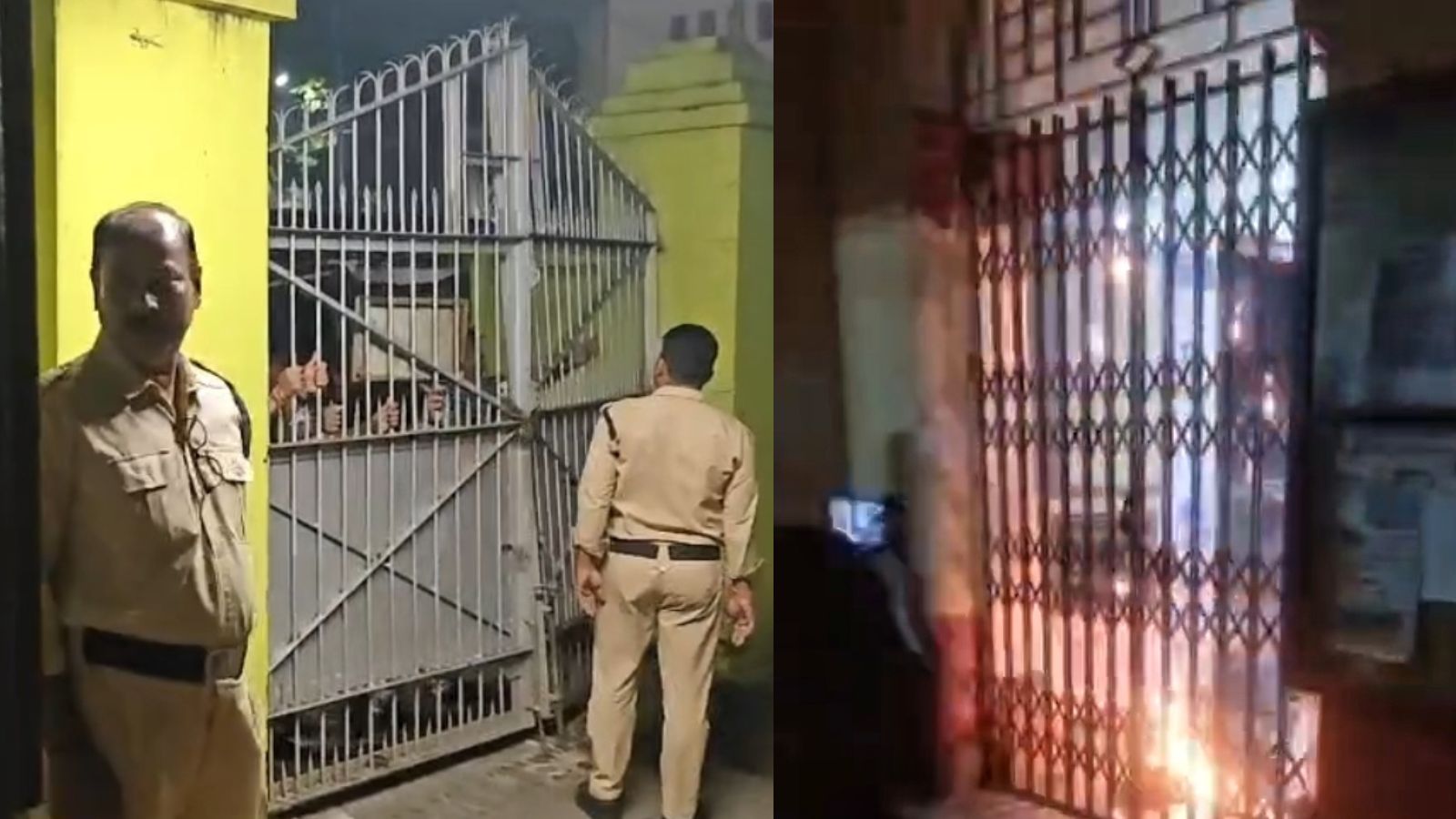
The recent violence at Jadavpur University is more than a law-and-order issue; it is a symptom of a deeper refusal to engage in democratic disagreement. This analysis explores how ideological rigidity is eroding the very foundation of academic institutions.
The recent eruptions of violence at Jadavpur University are both reprehensible and tragic. As noted by Shibashis Chatterjee, treating these incidents as isolated breakdowns of law and order misses the systemic rot. Violence has become embedded in the political culture of West Bengal, where political opponents are increasingly viewed not as rivals, but as morally contemptible enemies.
This violence manifests in various forms, from physical assaults and political killings to more subtle forms like public shaming, egg-throwing, and the denial of dignity. It represents a transformation of political discourse into a struggle for dominance where the 'other' is systematically dehumanized. This pathology is not limited to the campus but reflects a broader societal trend of intolerance.
Why This Matters
BozokMedia analysis shows that the health of a democracy is directly tied to the health of its academic institutions. A university exists precisely because disagreement is valuable. If an institution cannot withstand the friction of opposing ideologies, it ceases to be a place of learning and becomes merely a site of indoctrination.
An ideology cannot be defeated by beating its adherents; the democratic answer to an idea is simply another idea.
The problem at Jadavpur is not the presence of strong ideologies—which is healthy—but rather ideological intransigence. This is the conviction that acknowledging an opponent's right to speak somehow weakens one's own position. Both the Left and the Right have struggled to maintain democratic temperament, often succumbing to the desire for exclusive control over campus spaces.
While protest and dissent are legitimate and necessary, they lose their democratic legitimacy the moment they turn into personal degradation or physical coercion. When mobs are used to silence voices or when university property is vandalized, the perpetrators are not advancing a cause; they are admitting their inability to defend it through reason or persuasion.
The role of the state is crucial. While the government must ensure law and order, it must avoid turning universities into heavily policed zones. Furthermore, political leaders must stop viewing academic dissent as an inherent threat to the state. A university's purpose is to host disagreements, not to avoid them.
Frequently Asked Questions
1. Is protest at Jadavpur University considered illegal?
Protest and demonstration are legal and democratic rights; however, violence, vandalism, and intimidation are criminal acts.
2. How can the university restore its academic environment?
Restoration requires a commitment to pluralism, the protection of free speech, and the enforcement of strict legal consequences for violent actors.