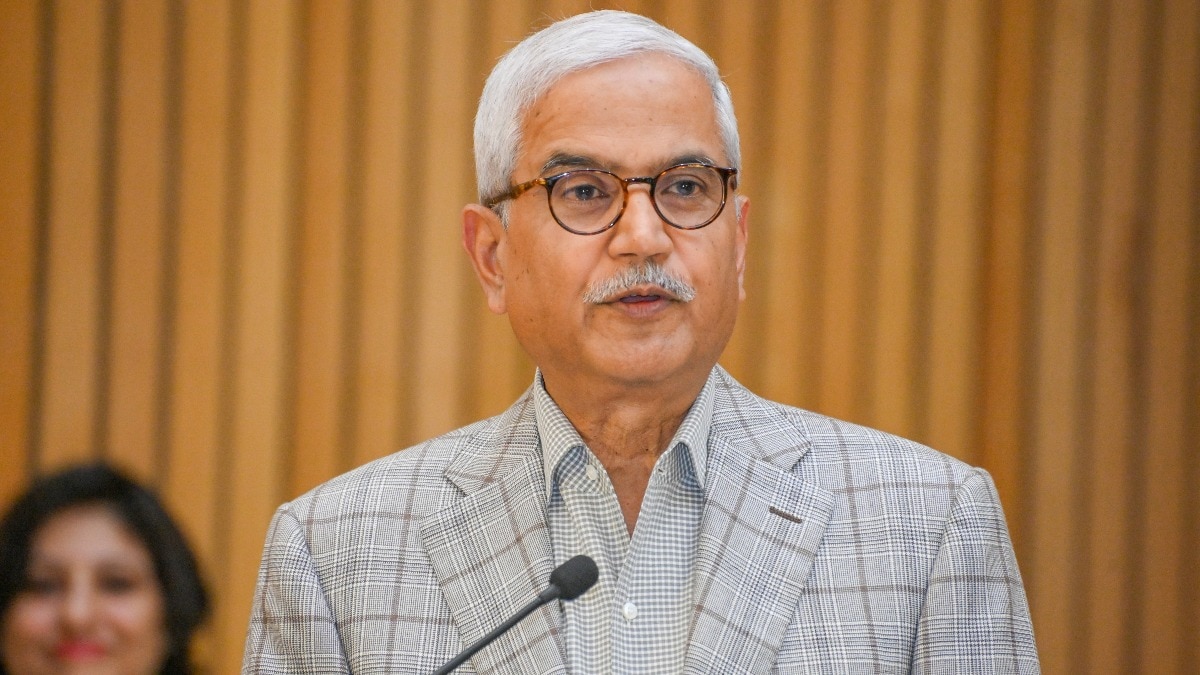
The Students' Federation of India (SFI) convened a district conference in Haveri today, centering on universal quality education, protection of democracy, and comprehensive district development. The event featured senior leaders, legal experts, and activists, underscoring the growing student movement in Karnataka.
- Universal quality education positioned as the conference's core theme
- Inauguration by KSBC member Basavaraj V. Korimath
- Key speakers included SFI state president Shivappa Ablikal and noted writer Satish Kulkarni
Haveri, Karnataka – On Tuesday, the Students' Federation of India (SFI) organized a district‑level conference at the Sabha Bhavan of the State Government Employees Association. The gathering was themed “Universal and Quality Education, Protection of Democracy, Harmony and Comprehensive Development of the District.”
Historical Background
Founded in 1970, SFI has long championed student rights, democratic participation, and social justice across India. In Karnataka, the organization has spearheaded campaigns for curriculum reforms, scholarship accessibility, and youth engagement in local governance. The Haveri conference marks the first large‑scale district event in the region, reflecting a strategic shift toward localized advocacy.
Basavaraj V. Korimath, a member of the Karnataka State Bar Council (KSBC), formally inaugurated the conference. His address emphasized the importance of safeguarding democratic institutions while ensuring that education remains inclusive and equitable.
Prominent guests included SFI state president Shivappa Ablikal, V.K. Gokak National Memorial Trust president and author Satish Kulkarni, DYFI state secretary Basavaraj Pujar, Karnataka State Minorities Commission member Parimala Jain, lawyer Narayana Kale, and former SFI district president Renuka Kahar. Their collective presence highlighted the interdisciplinary support for student‑led initiatives.
SFI district president Basavaraj S. presided over the proceedings. Delegates presented papers on funding models for quality education, mechanisms to embed democratic processes within schools, and strategies for fostering communal harmony in the district.
Why This Matters
BozokMedia analysis shows that such district‑level gatherings amplify grassroots voices, pushing state policymakers to prioritize inclusive education reforms and safeguard democratic participation among youth.
"The Haveri conference represents a pivotal moment for student activism to directly influence policy in Karnataka," says education policy analyst Dr. Anjali Shetty.
Frequently Asked Questions
Q1: What were the main issues discussed at the conference?
A: Participants focused on universal quality education, protecting democratic values, promoting social harmony, and outlining a roadmap for comprehensive district development.
Q2: Will the conference result in concrete policy proposals?
A: A detailed report summarizing recommendations—especially on integrating democratic processes in educational institutions—is being prepared for submission to the Karnataka state government.