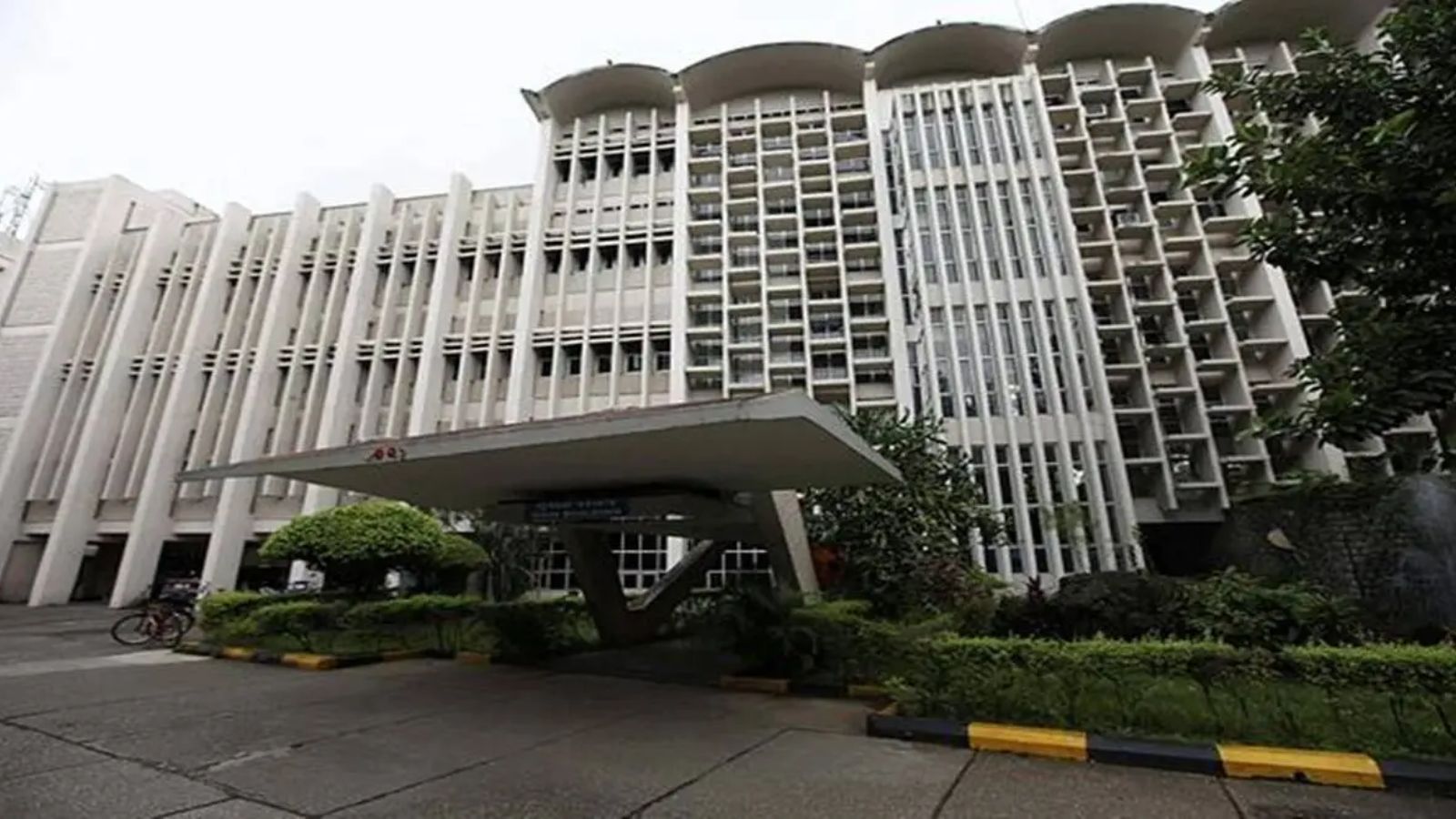
With over 13,300 undergraduate seats remaining vacant after multiple CUET rounds, Delhi University has allowed specific colleges to admit students based on Class 12 board results to ensure full capacity.
- Over 13,300 out of 71,600 UG seats remain vacant across DU colleges.
- Mop-up rounds now allow Class 12 marks for specific off-campus and select reputed colleges.
- CUET remains the primary admission criterion, but board marks act as a fallback.
- Decision aligns with UGC's Standard Operating Procedures (SOPs) for vacant seats.
Delhi University (DU) has entered a critical phase of its undergraduate admission cycle. For the second consecutive year, the university has initiated a 'mop-up round,' granting certain colleges the authority to admit students based on their Class 12 Board exam results rather than the Common University Entrance Test (CUET) scores. This move comes after the revelation that more than 13,300 seats remain unoccupied across its affiliated institutions.
The Transition: From Boards to CUET
Until 2022, the admission landscape at DU was dominated by the 'cut-off' system. Colleges published marks thresholds, often reaching an astronomical 99% to 100% for coveted courses. This system faced severe criticism for being biased toward specific boards (like CBSE) that were perceived as more liberal in marking. To create a level playing field, the University Grants Commission (UGC) mandated CUET, a standardized entrance test for all central universities, to eliminate disparities between various state and national boards.
Why This Matters
BozokMedia analysis shows that while CUET standardized the entry point, it created a mismatch in 'course-college combinations.' Because students prioritize top-tier North Campus colleges, many off-campus institutions and less popular courses are ignored, regardless of the applicant's score. This systemic gap proves that a one-size-fits-all entrance exam cannot account for the diverse preferences of thousands of students, necessitating a return to board marks for under-filled seats.
The return to board marks for mop-up rounds is a pragmatic admission of the limitations of a purely centralized system in a fragmented college ecosystem.
On August 20, 2026, DU listed 11 colleges allowed to use board marks, later expanding this to include prestigious institutions like Gargi College and Indraprastha College for Women. This ensures that academic infrastructure is not wasted and students who missed the CUET window or preferences still have a chance at a DU degree.
| Feature | CUET-Based Admission | Board-Based Admission (Mop-up) |
|---|---|---|
| Priority | Primary & Mandatory | Secondary/Fallback |
| Objective | Standardization & Equity | Seat Utilization |
| Applicability | All Affiliated Colleges | Selected Off-Campus & Reputed Colleges |
Frequently Asked Questions
Q1: Does this mean CUET is no longer mandatory?
No, CUET remains the primary gateway. Board marks are only utilized as a last resort to fill seats that remain vacant after all CUET rounds.
Q2: Which colleges are participating in this board-based admission?
While mostly off-campus colleges are involved, some top-tier institutions like Gargi and Indraprastha College for Women have also been authorized.