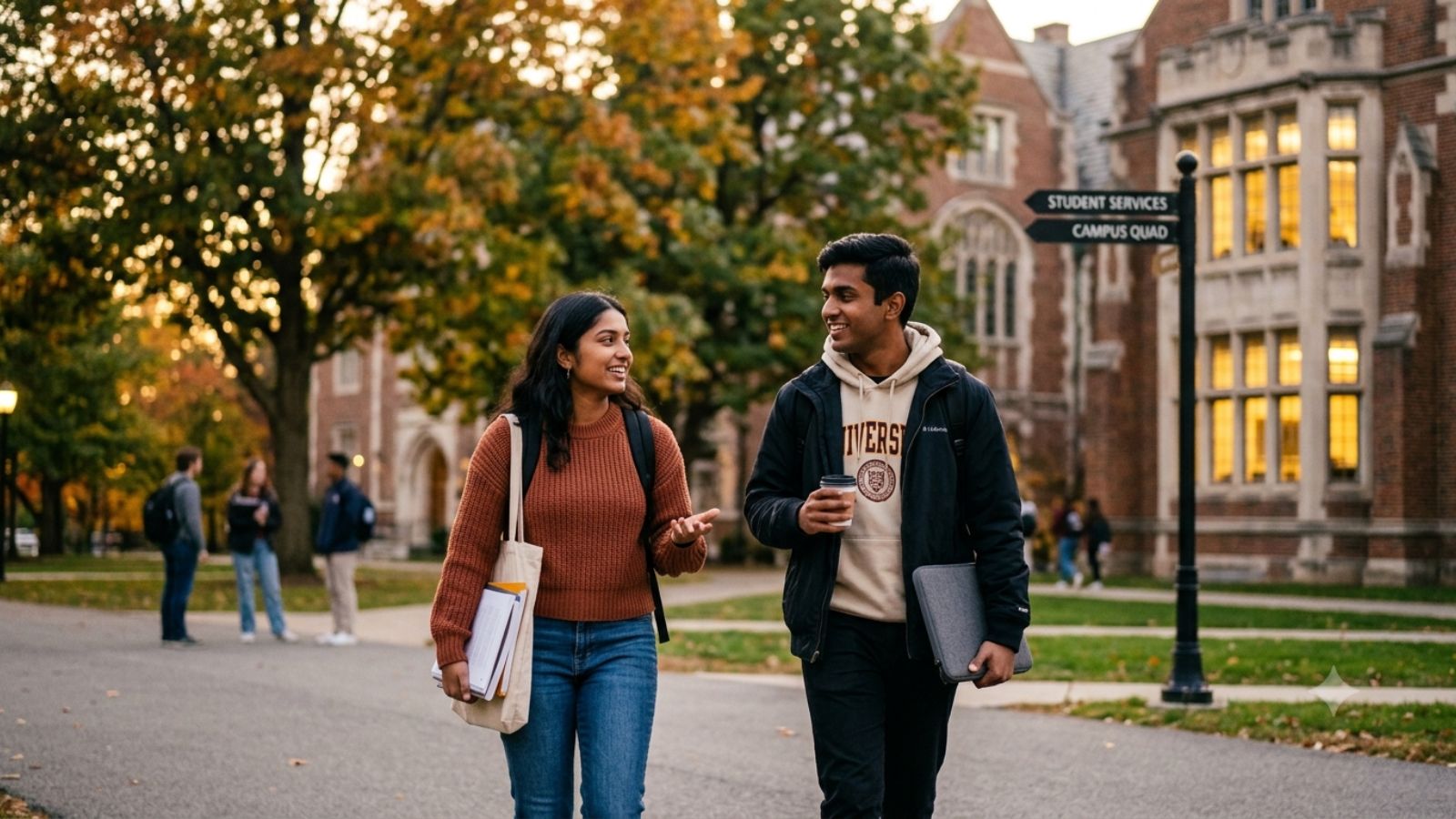
While new international enrollments in the US have dipped, India continues to dominate as the primary source of international students, showing a unique trend in domestic applicant growth.
- The US hosted over 1.17 million international students in the 2024-25 academic year.
- India remains the largest source, contributing 363,019 students.
- First-time international enrollments saw a 7% decline.
- A massive $103,265 H-1B petition fee has been proposed by the US government.
According to the latest Open Doors data, the United States continues to be a global hub for higher education, hosting 1,177,766 international students during the 2024-25 academic year—a 5% increase from the previous year. However, a closer look reveals a cooling trend in new arrivals. While the total population is growing, the number of students enrolling for the first time fell by 7% to 277,118.
The Indian Paradox: International vs. Domestic Growth
The data presents a fascinating dichotomy regarding Indian students. While international applicants from India saw a sharp decline, the number of domestic applicants identifying with an Indian background has skyrocketed. Common App data indicates that applicants with an Indian background have more than doubled over the last decade, rising from under 20,000 in 2016-17 to 40,949 in the 2025-26 season.
Why This Matters
BozokMedia analysis shows that this shift highlights the growing influence of the Indian diaspora within the US domestic education system. While the 'front door' of international enrollment is facing headwinds, the internal academic integration of Indian-Americans is reaching unprecedented levels, creating a more stable but differently structured demographic.
The decline in fresh international cohorts, coupled with rising visa costs, could reshape the long-term landscape of US campus diversity.
India also maintains a significant lead over other Asian nations. In the domestic applicant pool, Indian-background students outpaced China, which recorded 26,296 applicants. Furthermore, the 21% surge in Optional Practical Training (OPT) participation suggests that students are increasingly prioritizing pathways that lead directly into the US workforce.
Implications of Proposed H-1B Fee Hikes
The landscape for international graduates is becoming increasingly complex due to regulatory shifts. The US Department of Homeland Security has proposed a staggering $103,265 fee for H-1B petitions. This proposal, aimed at the annual cap, could significantly increase the cost for employers seeking to sponsor international talent, potentially creating a barrier for students transitioning from F-1 status to professional employment.
Frequently Asked Questions
Question 1: Why is the total number of international students rising if enrollments are falling?
Answer: The increase is driven by students already in the US (such as those on OPT) rather than a surge in new incoming students.
Question 2: How does the H-1B proposal affect Indian students?
Answer: Higher sponsorship costs for employers may make it more difficult for international graduates to secure work visas.