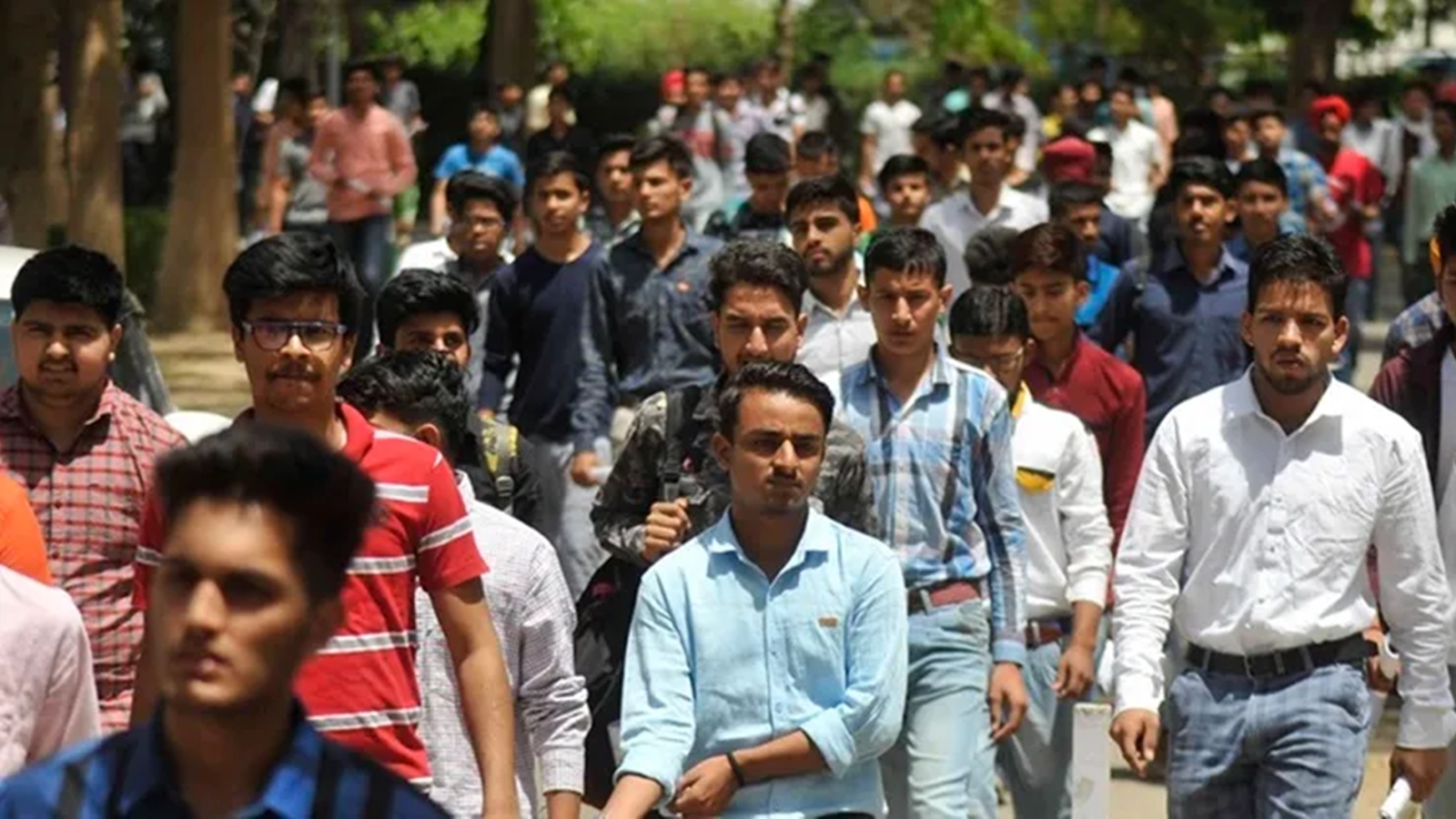
From UPSC to SSC, explore the complex mechanism of India's government recruitment and why millions of aspirants fight for a handful of seats.
- India's total government workforce is estimated to exceed 1.5 crore.
- The Union Government employs approximately 30.62 lakh permanent staff.
- Recruitment is dominated by major bodies like UPSC and SSC.
- Economic instability in the private sector drives the massive demand for government roles.
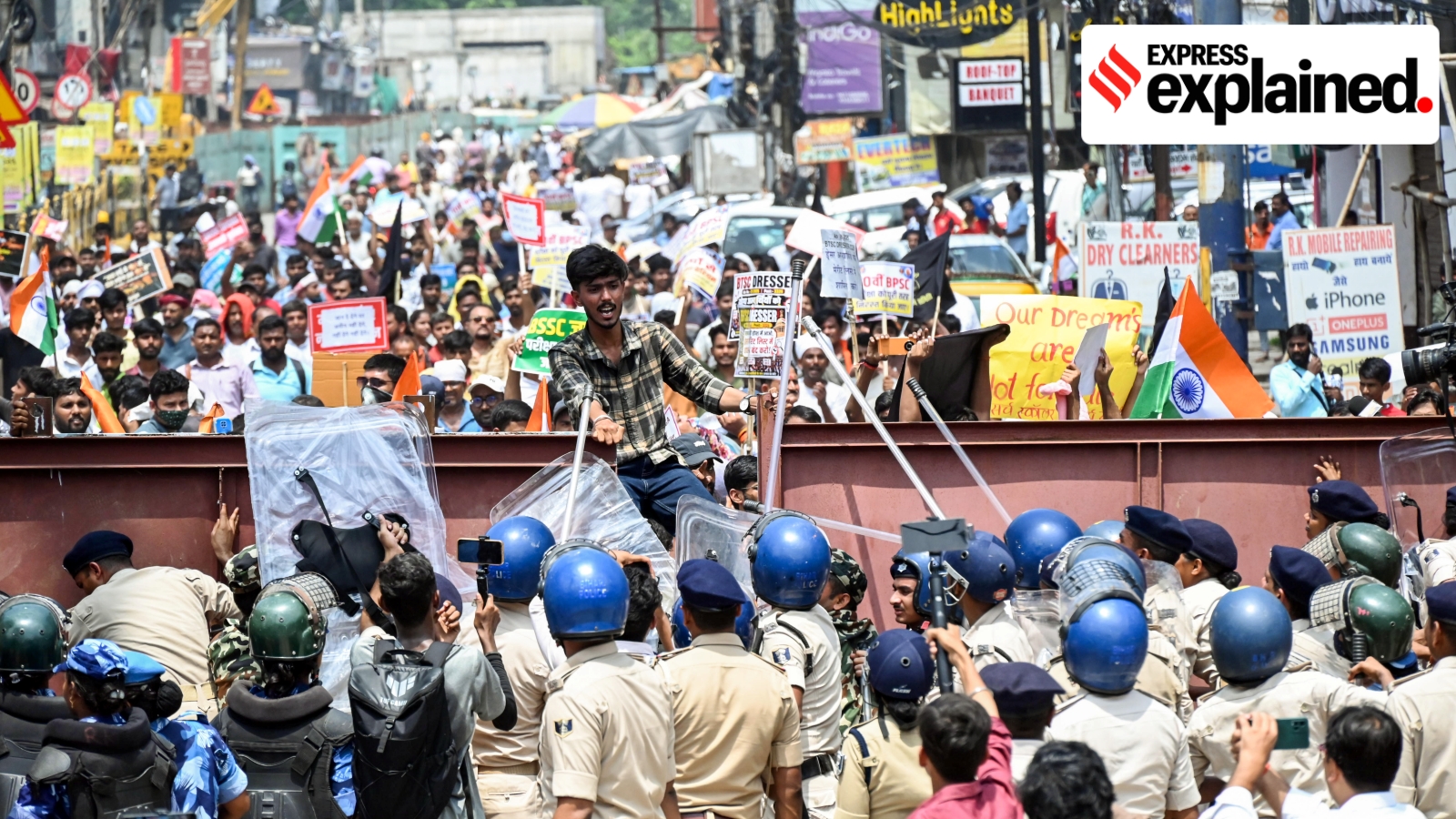
In India, the dream of a 'Sarkari Naukri' (government job) is more than just a career choice; it is a pursuit of social status and lifelong security. Every year, tens of millions of aspirants compete for a minuscule number of vacancies across central and state governments. Recent protests over paper leaks in states like Jharkhand highlight the intense pressure and high stakes involved in this race.
The Scale of the Government Workforce
The government workforce is categorized into Group A, B, and C. As of March 1, 2023, the Union Government had 30.62 lakh permanent employees against a sanctioned strength of over 40 lakh. When including the armed forces, police, healthcare workers, and teachers, the total number of government employees in India is estimated to be well over 1.5 crore.
Why This Matters
BozokMedia analysis shows that the overwhelming demand for government roles is a direct symptom of broader economic realities. A lack of systemic support for entrepreneurship and the perceived volatility of private-sector employment drive even highly skilled technocrats and engineers toward the perceived safety of the public sector.
The intense competition for government positions reflects a structural mismatch between the aspirations of India's youth and the availability of stable private-sector opportunities.
The recruitment landscape is primarily governed by two major entities: the Union Public Service Commission (UPSC) and the Staff Selection Commission (SSC). While the Ministry of Personnel, Public Grievances and Pensions formulates the overarching policies, these agencies execute the selection process.
Recruitment Bodies Comparison
| Agency | Target Groups | Key Roles |
|---|---|---|
| UPSC | Group A & B (High/Mid Level) | IAS, IPS, Civil Services |
| SSC | Group B & C (Supervisory/Clerical) | CGL, CHSL, Junior Engineers |
The UPSC process is notoriously rigorous, typically involving three stages: Prelims, Mains, and a Personality Test. To put the scale in perspective, in 2022-23, out of 25.70 lakh candidates who appeared for UPSC exams, only 7,999 were recommended for appointment.
Frequently Asked Questions
Question 1: What is the difference between UPSC and SSC?
Answer: UPSC is responsible for recruiting high-level officers like IAS and IPS, whereas SSC recruits for mid-to-lower level administrative and clerical positions.
Question 2: Why is there such a huge demand for government jobs in India?
Answer: The demand is driven by job security, social prestige, and the lack of comparable stability in many private-sector roles.