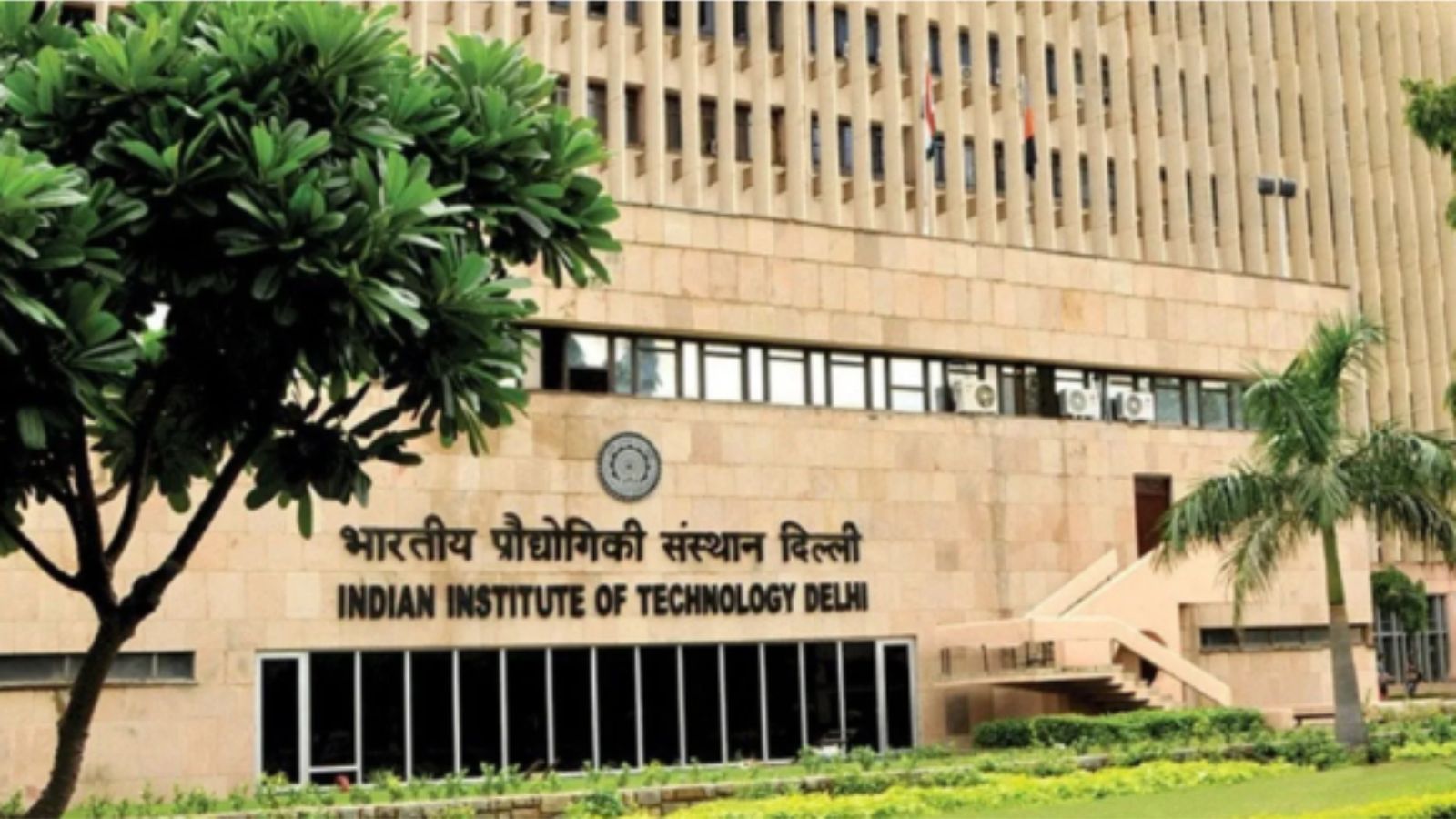
An IIT graduate has sparked a debate by calling out individuals who conceal their educational institutions on social media, identifying three psychological drivers behind this behavior.
- A growing trend of concealing educational backgrounds on social media has been identified.
- An IIT alumnus highlighted three specific reasons for this behavior.
- The movement raises questions about professional authenticity and social insecurity.
In an era where digital footprints define professional credibility, a recent critique by an IIT graduate has gone viral. The graduate called out the growing tendency among social media users to omit or hide the names of their alma maters, sparking a widespread conversation about identity and transparency in the digital age.
According to the graduate, there are three primary motivations behind this trend. The first is the 'Inferiority Complex', where individuals from non-premier institutes feel the need to mask their background to avoid judgment. The second is a desire to avoid 'Over-qualification Stigma', where people want to be judged on their skills rather than their pedigree. The third, and perhaps most common, is the pretext of 'Privacy', which often serves as a shield for underlying academic insecurity.
Why This Matters
BozokMedia analysis shows that transparency in educational background is a cornerstone of professional trust. In a globalized job market, hiding one's institutional roots can inadvertently create a gap in credibility, especially on professional networking platforms like LinkedIn.
Hiding your academic roots often speaks more about your insecurities than it does about your desire for privacy.
The debate highlights a shift in how prestige is perceived. While elite institutions once provided an unquestionable social shield, the modern professional landscape is increasingly demanding a balance between brand-name validation and skill-based meritocracy.
Historical Background
For decades, institutions like the Indian Institutes of Technology (IIT) have held a legendary status in India. Historically, graduating from these institutions was a badge of honor used to secure immediate social and professional standing. However, the rise of diverse skill-based learning is slowly changing this traditional hierarchy.
Frequently Asked Questions
Question 1: Why is hiding college names becoming a trend?
It is largely driven by social comparison, fear of judgment, and a desire to separate personal identity from institutional branding.
Question 2: Does hiding your college impact your career?
While it may not directly disqualify you, it can limit networking opportunities and the instant credibility that an established institution provides.