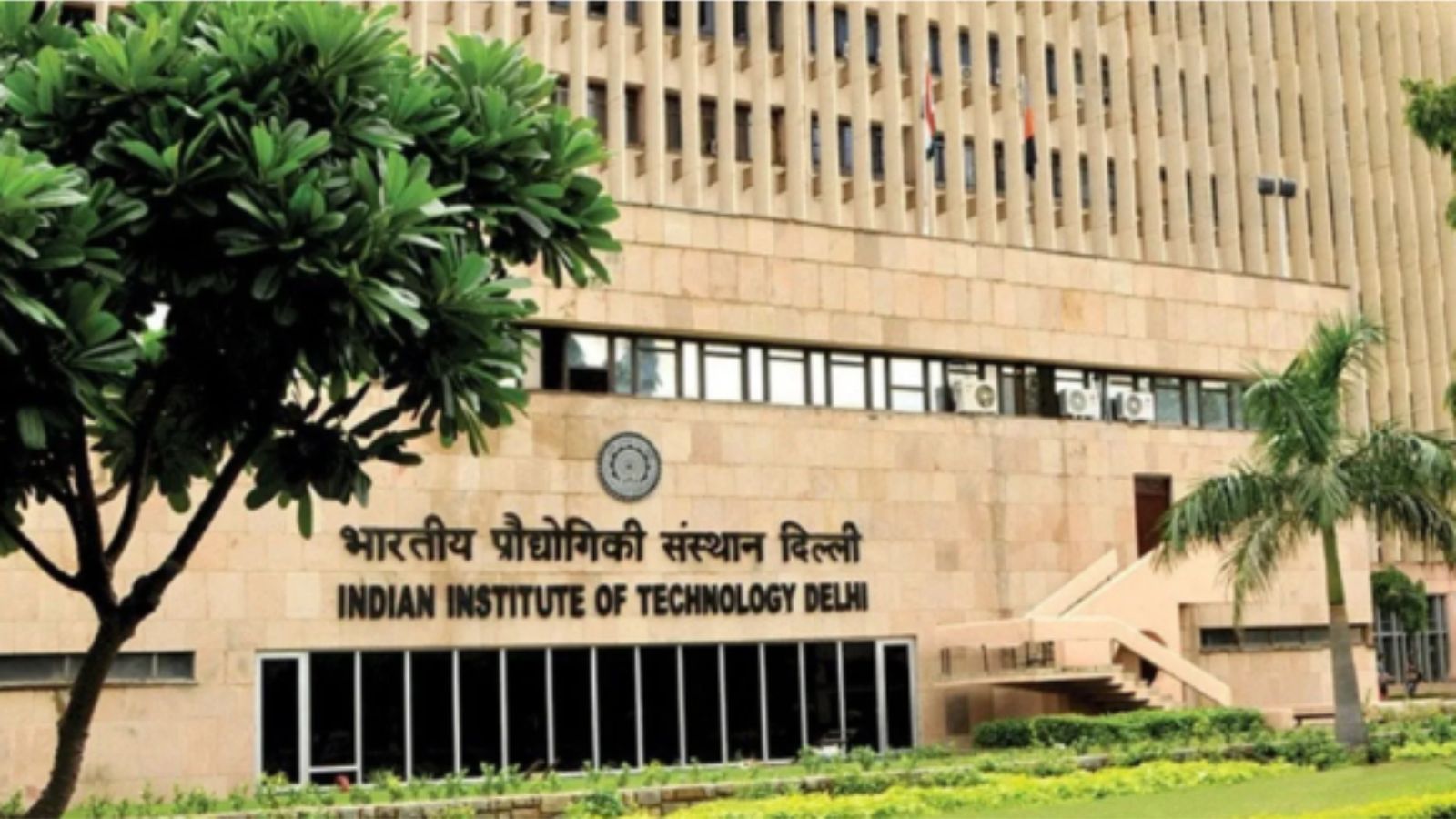
Protests continue at IIT Delhi following the alleged suicide of MSc student Rishikesh Kumar. Students are demanding a wider inquiry into allegations of administrative insensitivity and lack of hostel facilities.
- IIT Delhi has appointed retired Justice Mukta Gupta to lead an external inquiry panel.
- Students demand the probe include allegations of humiliation and hostel denial made by the victim's mother.
- The protest has mobilized thousands of students through digital coordination.
- Demands include accountability from the Associate Dean (Student Welfare) and ₹1-crore compensation.
The campus of IIT Delhi remains in turmoil five days after the alleged suicide of Rishikesh Kumar, an MSc Physics student. While the administration has responded by constituting an external inquiry panel headed by retired Delhi High Court Judge Justice Mukta Gupta, the student body has rejected the move as insufficient. The protesters are demanding that the mandate of the panel be significantly expanded.
At the heart of the unrest are the harrowing allegations made by Kumar’s mother to the police. She claimed that the administration failed to allot her son a hostel and that he was subjected to humiliation by the college's dean, who allegedly stated there was no provision for "such children" to reside on campus. The students argue that these circumstances directly contributed to the student's distress.
Why This Matters
BozokMedia analysis shows that this incident highlights a systemic crisis within elite educational institutions in India. The disconnect between institutional welfare policies and the actual lived experiences of students suggests a critical gap in empathy and effective grievance redressal that could have devastating consequences for student mental health.
The true measure of an institution's success lies not in its academic rankings, but in the safety and dignity it affords its most vulnerable members.
The protest, which began spontaneously on Monday, has grown into a massive movement. Using WhatsApp to coordinate, nearly 1,700 students joined a dedicated channel to manage the mobilization. Despite the rigorous academic schedule, students have continued to balance lectures and laboratory work with active participation in the protests, often pooling resources for food and water.
Students have expressed deep frustration with the existing support systems. Many reported that when seeking help from campus counselors, they were met with dismissive advice such as "just go back and sleep." This perceived unresponsiveness has fueled the demand for the resignation of the Associate Dean (Student Welfare), a demand the IIT Director has so far explicitly denied.
In response to the escalating tension, IIT Delhi issued a statement asserting that student well-being is a "fundamental prerequisite" for their ecosystem. The administration cited existing measures, including 24/7 counseling, academic flexibility, and mentorship programs. However, for the protesters, these measures are seen as inadequate and inaccessible during moments of crisis.
Historical Background
The Indian Institutes of Technology (IITs) are globally recognized for academic excellence but have faced increasing scrutiny over the last decade regarding student mental health. High-pressure environments, coupled with intense competition, have led to several high-profile student suicides, prompting calls for structural reforms in how these institutions manage student welfare and psychological support.
Frequently Asked Questions
1. What are the specific demands of the IIT Delhi students?
They are seeking a wider inquiry into administrative conduct, the resignation of the Associate Dean (Student Welfare), and ₹1-crore compensation for the victim's family.
2. Who is leading the new inquiry panel?
The newly reconstituted external inquiry panel is being headed by retired Delhi High Court judge Justice Mukta Gupta.