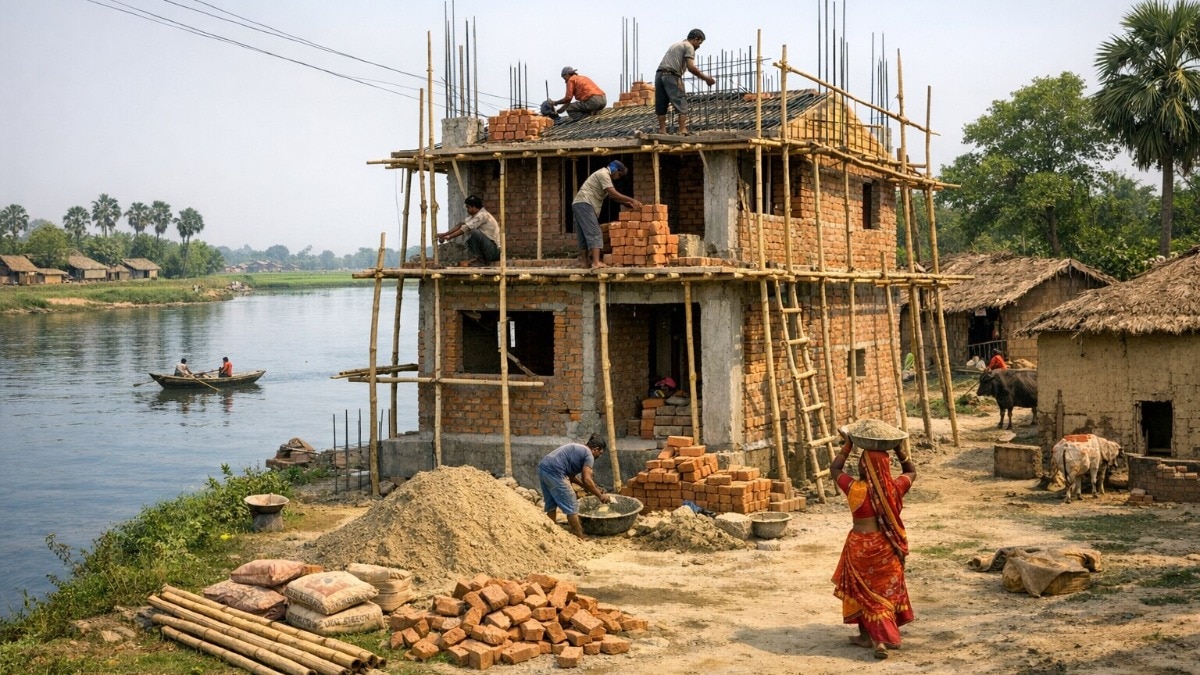
Learn how to construct durable, low-cost homes capable of withstanding natural disasters like floods and earthquakes using modern engineering techniques and smart materials.
- Confined masonry technique provides superior earthquake protection at a lower cost.
- Lightweight roofs (PUF Panels) reduce seismic load and construction expenses.
- Interlocking bricks and fly ash bricks can save up to 40% on material and labor.
- Maintain a plinth level 2-3 feet above historical flood levels for flood safety.
Building a sturdy and durable home on a limited budget is a significant challenge, especially in regions prone to natural calamities. However, with the right combination of engineering techniques and smart material selection, it is possible to construct homes that can withstand both earthquakes and floods without breaking the bank.
Modern Techniques for Earthquake Resistance
To protect a structure from seismic shocks, experts recommend the 'Confined Masonry' technique. Unlike traditional heavy frame structures, this involves constructing brick walls first and then casting thin concrete pillars (tie columns and beams) at the corners. This method is significantly more cost-effective and prevents walls from collapsing during an earthquake.
Another crucial strategy is reducing the weight of the roof. Instead of heavy Reinforced Cement Concrete (RCC) slabs, using PUF (Polyurethane Foam) Panels or lightweight sheets can drastically reduce the structure's mass. A lighter roof reduces the risk of collapse during tremors and can nearly halve the roofing costs.
Integrating lightweight materials with smart structural engineering is the key to disaster-resilient affordable housing.
Flood Protection and Foundation Strength
For flood-prone areas, the height of the plinth is the most critical factor. Experts suggest that the floor level should be at least 2 to 3 feet above the highest flood level recorded in the area over the last 30 years. In extremely high-risk zones, constructing the ground floor on stilts or pillars allows floodwaters to pass underneath without damaging the living quarters.
Smart Alternatives to Reduce Construction Costs
To significantly lower expenses, builders are increasingly turning to Interlocking Bricks. These blocks fit together like toys, eliminating the need for heavy cement-sand mortar, which can reduce labor and material costs by 30% to 40%. Additionally, Fly Ash Bricks are an excellent alternative; they are cheaper, lighter, and more resistant to moisture, preventing dampness within the walls.
Why This Matters
BozokMedia analysis shows that unplanned construction in vulnerable zones leads to disproportionate loss of life and property during disasters. Adopting these scientific and cost-effective methods allows even middle-income families to secure their future against environmental uncertainties.
Frequently Asked Questions
Question 1: Can I really build an earthquake-proof house on a low budget?
Yes, by using confined masonry and lightweight roofing materials, you can achieve high safety standards at a fraction of the cost.
Question 2: Why are interlocking bricks better for construction?
They reduce the dependency on mortar, speed up the construction process, and offer better resistance to seismic vibrations.