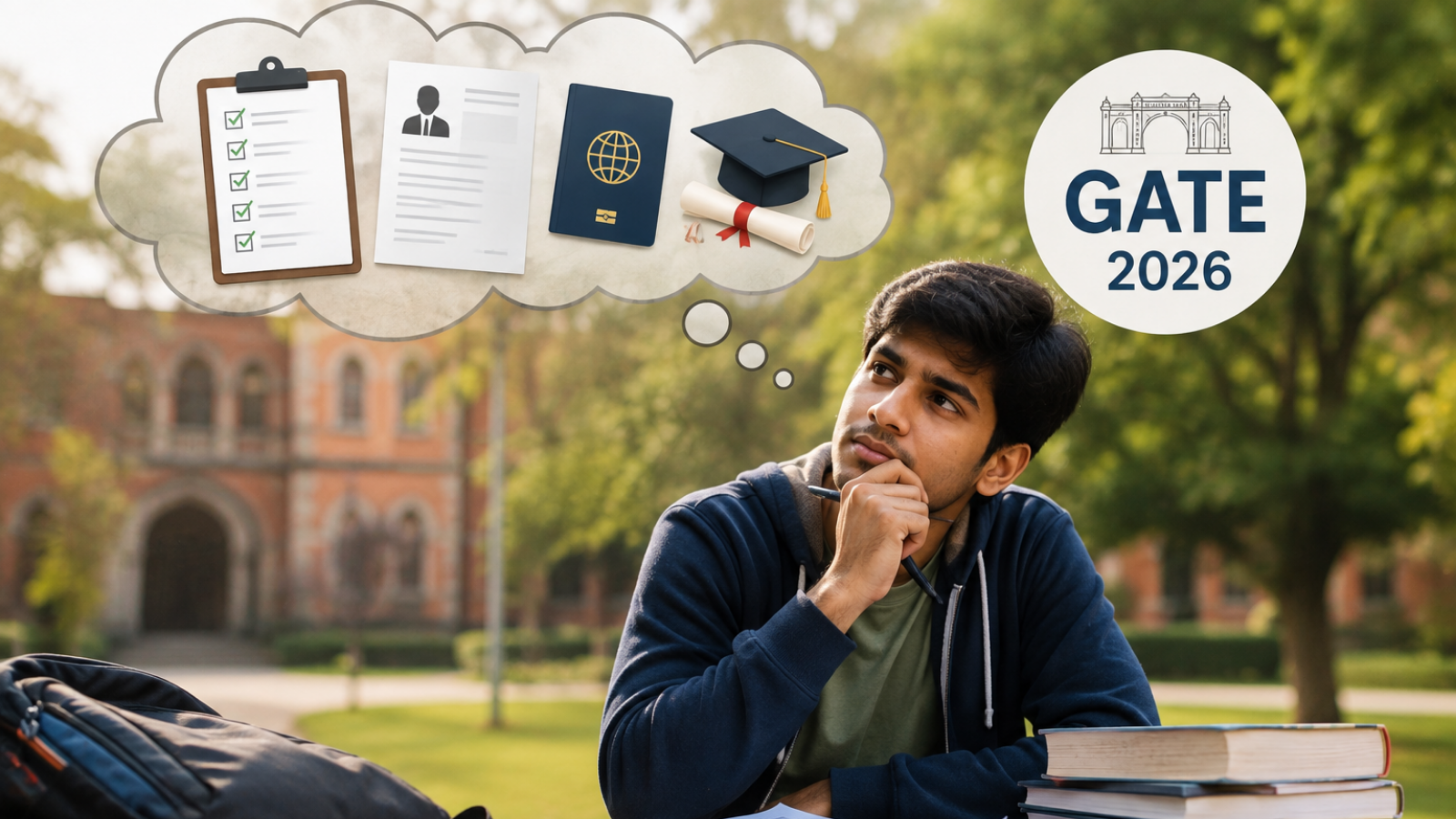
A new Cambridge report reveals a significant structural shift as Indian students increasingly opt for domestic undergraduate degrees before heading abroad for postgraduate studies.
- 50% of Cambridge learners in India chose domestic undergraduate studies in 2025.
- The trend marks a 'structural shift' rather than a temporary economic reaction.
- Students are adopting a 'India First' strategy to optimize long-term ROI.
- Domestic institutions are becoming major competitors to international universities.
The landscape of global education is witnessing a profound transformation, with India emerging as its own most formidable competitor. According to the Cambridge Destination Survey 2025-26, Indian universities are no longer merely a fallback option for those unable to afford overseas education; they are increasingly becoming the preferred starting point for ambitious learners.
The data paints a clear picture of this evolving trend. In 2025, half of all Cambridge learners in India slated for university chose to remain in the country for their undergraduate degree, up from 47% the previous year. Conversely, the proportion of students heading overseas for undergraduate studies saw a decline from 42% to 40%. While these numbers might seem incremental, experts describe this as a "structural shift" rather than a fleeting reaction to visa hurdles or currency fluctuations.
Why This Matters
BozokMedia analysis shows that this shift represents a strategic recalibration of how Indian families approach global mobility. Instead of heavy debt for an undergraduate degree, families are opting for a more sustainable pathway: securing a solid foundation at home and then investing in high-value international postgraduate programs. This "phased approach" maximizes both academic quality and financial stability.
"The definition of value in education is changing. Learners are moving from evaluating the value of a degree to evaluating the value of the entire pathway—from education, to employment, to long-term opportunity," says Rod Smith, Group Managing Director of Cambridge International Education.
This new educational roadmap—School $\rightarrow$ Indian University $\rightarrow$ Overseas Master's $\rightarrow$ Global Career—is replacing the traditional model. The destination remains global, but the sequence has been optimized for better economic and academic returns.
Several factors are driving this domestic surge. The rise of high-quality private institutions, the influx of foreign university branch campuses within India, and the increasing recognition of international curricula by local universities have leveled the playing field. Furthermore, the flexibility of multidisciplinary courses in fields like Artificial Intelligence, Data Science, and Business Analytics is making Indian institutions much more attractive.
| Feature | Traditional Route | New 'India First' Route |
|---|---|---|
| Undergraduate Location | Overseas | India |
| Postgraduate Location | Global Career | Overseas |
| Financial Risk | High (Early Debt) | Managed/Optimized |
Frequently Asked Questions
1. Is this a temporary trend due to high visa costs?
No, the Cambridge report suggests this is a structural shift in how students value the entire educational and career pathway.
2. Are Indian students giving up on global careers?
On the contrary, their global ambitions remain high; they are simply being more strategic about when to move abroad.