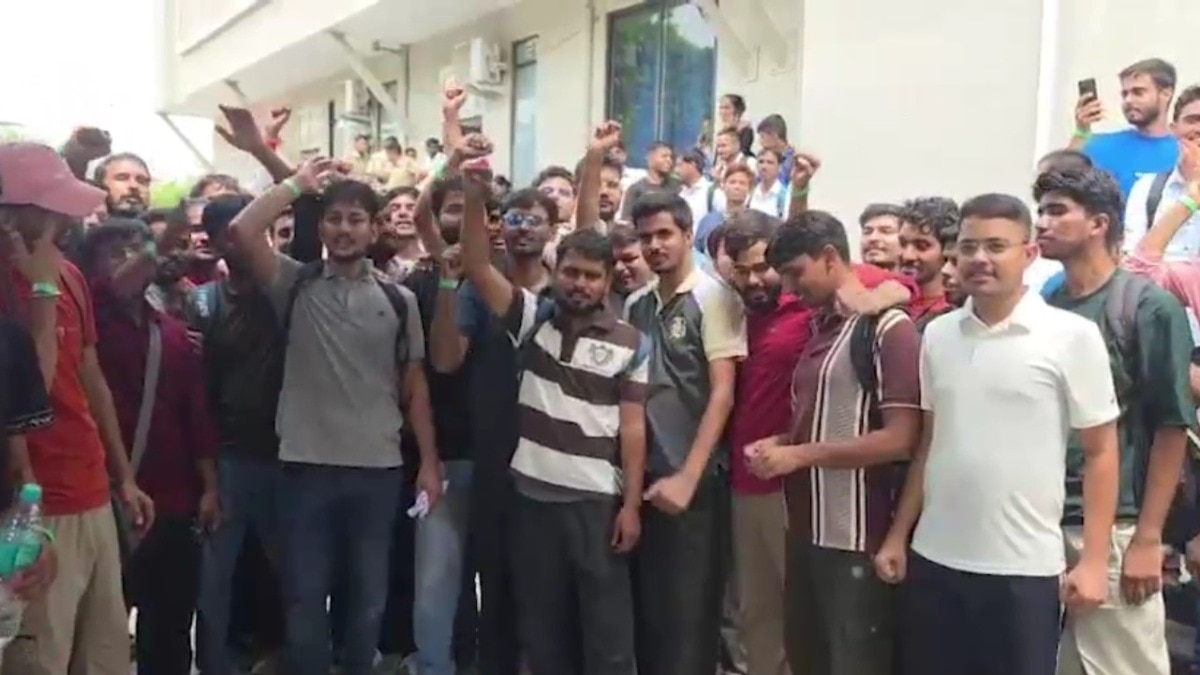
A new survey reveals that nearly half of Indian Gen Z students are losing interest in overseas education due to skyrocketing tuition fees and stringent visa policies, shifting their focus toward India-based international programs.
- 48% of Indian students who considered studying abroad reported lower interest over the past year.
- Cost (37%) and visa complexities (26%) are the primary deterrents.
- 68% of respondents are now open to pursuing international degrees offered within India.
The dream of obtaining a global degree is facing a reality check for India's youth. According to the India’s Gen Z Outlook 2026 report by education technology firm Emeritus, nearly half of the Gen Z population (aged 15-28) is reassessing their plans to move overseas for higher education.
The survey, which covered 1,010 respondents across major Indian cities, highlights a significant shift in priorities. The primary driver for this decline is the escalating cost of tuition, cited by 37% of participants. This is closely followed by the increasing complexity of visa and immigration laws (26%) and growing concerns over safety and geopolitical instability (24%).
The 'USA' Slump
The trend is most evident among those targeting the United States. Approximately 42% of students who were eyeing the USA reported a decline in interest. Among this group, 41% pointed to the prohibitive cost of tuition, while 34% were discouraged by the tightening of visa policies.
Why This Matters
BozokMedia analysis shows a fundamental shift from 'aspiration-driven' decision-making to 'pragmatic assessment.' Today's students are no longer swayed solely by the prestige of a foreign university; they are calculating the Return on Investment (ROI), considering long-term employment prospects, and weighing the risks of migration against the benefits of a degree.
"The appetite for global knowledge remains, but the appetite for migration risk is plummeting among Indian students."
Interestingly, the desire for international quality education persists. Instead of abandoning their goals, 68% of respondents expressed a strong interest in international university programs delivered on Indian soil. Furthermore, there is a rising preference for hybrid or pathway models—combining domestic study with short-term overseas exchanges—which rose from 27% to 39% among students transitioning to higher education.
| Factor | Impact (%) | Primary Concern |
|---|---|---|
| Cost | 37% | High Tuition Fees |
| Visa | 26% | Policy Uncertainty |
| Safety | 24% | Geopolitical Risks |
Frequently Asked Questions
Q1: Why are Indian students opting for India-based international programs?
A: To avoid the uncertainty of visas and high living costs while still obtaining a degree from a globally recognized institution.
Q2: What are hybrid education models?
A: These are programs that allow students to complete a portion of their degree in India and a smaller portion (like a semester) abroad.