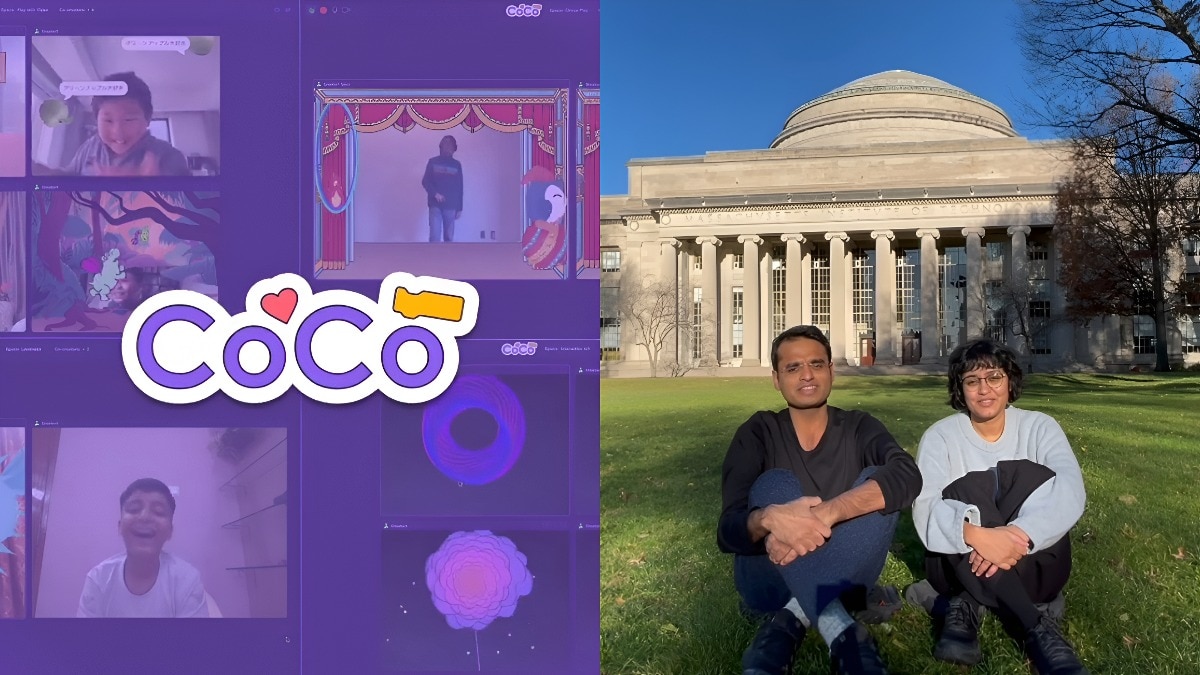
With one hailing from an IIT background and the other an MBA graduate, this MIT-connected couple is fundamentally reshaping how the next generation engages with Artificial Intelligence.
- A powerhouse duo from IIT and MBA backgrounds is leading an AI education revolution.
- Their mission focuses on making complex AI concepts accessible to children.
- The initiative bridges the gap between high-level engineering and practical management.
In an era dominated by rapid technological shifts, a remarkable story is emerging from the intersection of elite education and pedagogical innovation. A couple, boasting prestigious backgrounds from IIT and MBA programs, is now leveraging their expertise at MIT to transform how children perceive and learn Artificial Intelligence (AI).
This isn't just about teaching code; it is about reshaping the cognitive framework of the next generation. By combining technical rigor with strategic management insights, they are creating a curriculum that is both intellectually stimulating and practically relevant for young minds.
Why This Matters
BozokMedia analysis shows that the global economy is pivoting toward an AI-first approach. Integrating AI literacy into early childhood education is no longer a luxury—it is a strategic necessity to ensure that future leaders are creators of technology rather than just passive consumers.
The bridge between technical capability and intuitive understanding is where the next generation of innovators will be born.
Their methodology moves away from rote memorization of syntax and focuses instead on the logic, ethics, and creative applications of machine learning. This holistic approach ensures that children understand the 'why' behind the 'how'.
Historically, STEM education has often struggled with engagement levels in younger demographics. However, by gamifying complex concepts and using real-world scenarios, this duo is successfully breaking down the barriers of entry to high-level computational thinking.
Frequently Asked Questions
Question 1: Is the curriculum suitable for non-technical children?
Yes, the program is designed to introduce AI concepts through intuitive and engaging methods suitable for all learning levels.
Question 2: How does this differ from traditional computer classes?
Unlike traditional classes that focus on software usage, this program focuses on the underlying logic and creation of intelligent systems.