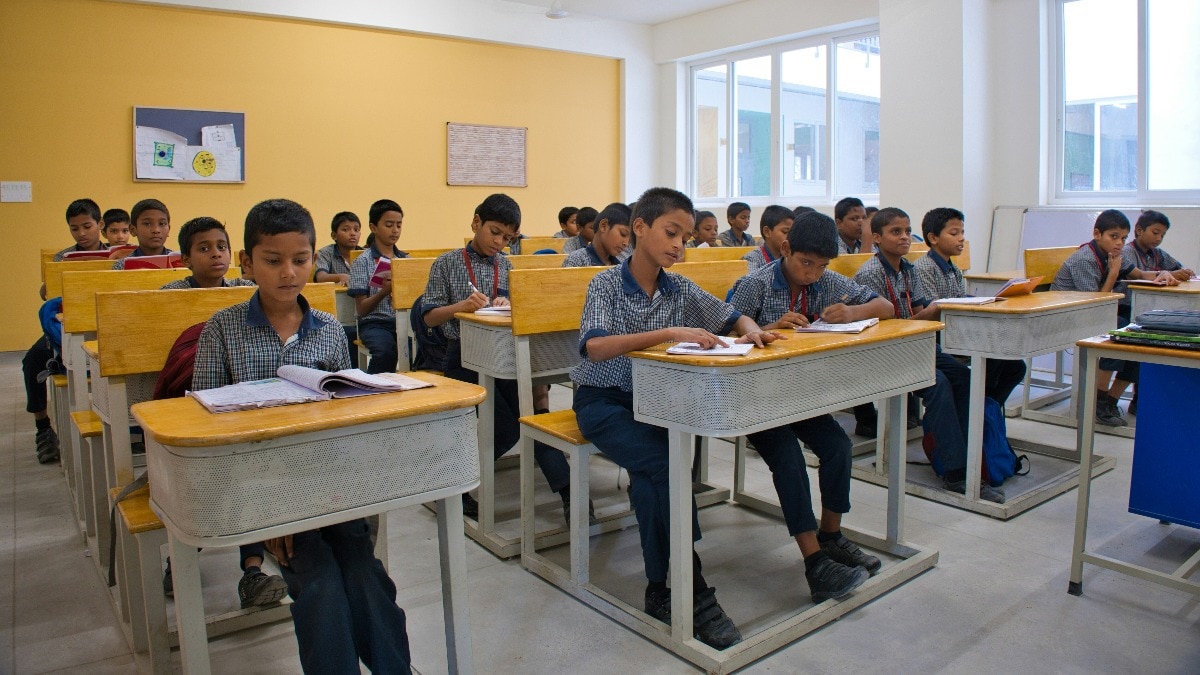
Through Operation Kayakalp, Uttar Pradesh is transforming its council schools by meeting a rigorous 19-point infrastructure standard. With 97% of facilities developed, the state is setting a national benchmark.
- 97% of basic facilities in UP council schools have been developed under Operation Kayakalp.
- The program evaluates schools based on a strict 19-point infrastructure standard.
- NITI Aayog has recognized this initiative as a model for other Indian states.
- Project Alankar is simultaneously upgrading secondary schools with advanced technology.
The landscape of public education in Uttar Pradesh is undergoing a massive structural transformation. Since its inception in 2018, Operation Kayakalp has been working systematically to overhaul the dilapidated state of council schools. For decades, these institutions suffered from a lack of fundamental necessities such as electricity, clean drinking water, functional toilets, and proper seating arrangements.
As of September 2025, the state government has reported a monumental achievement: 97% of basic facilities required under the scheme have been successfully implemented. The initiative operates on a 19-point standard, ensuring that every school meets specific criteria regarding classrooms, boundary walls, gates, and sanitation. To maintain accountability, the government utilizes the Prerna Portal, which employs geo-tagging and real-time photo monitoring to track every stage of construction and improvement.
Why This Matters
BozokMedia analysis shows that the success of Operation Kayakalp lies in its data-driven approach. By moving away from vague developmental goals to a specific 19-point checklist, the government has eliminated ambiguity in school upgrades. This systematic improvement is crucial for improving student retention and bridging the quality gap between private and public education.
Infrastructure is the silent teacher; a well-equipped school environment significantly enhances a child's ability to learn and thrive.
The state's vision extends far beyond primary education. Through Project Alankar, the government is targeting secondary schools with an even more ambitious 27-parameter framework. This includes the integration of smart classrooms, high-speed Wi-Fi, advanced computer laboratories, and enhanced safety protocols such as CCTV surveillance and fire safety equipment.
Infrastructure Comparison: Primary vs. Secondary
| Feature | Operation Kayakalp (Primary) | Project Alankar (Secondary) |
|---|---|---|
| Core Focus | Basic Infrastructure (19 points) | Modernization (27 points) |
| Digital Tools | Smart Classrooms (Targeted) | Labs, Wi-Fi & Smart Tech (Core) |
| Safety Measures | Standard Sanitation/Walls | CCTV, Biometrics & Fire Safety |
| Scale | Massive Scale (Council Schools) | Targeted Secondary Upgrades |
The financial commitment to this cause is evident, with the 2024-25 state budget allocating ₹1,000 crore specifically for Operation Kayakalp. Furthermore, the initiative has received high praise from NITI Aayog, which has cited the program as a replicable model for the rest of the country. To optimize resource allocation, the state has also begun pairing under-enrolled schools with better-equipped nearby campuses to ensure no child is left behind due to poor local facilities.
Frequently Asked Questions
1. What are the key parameters of Operation Kayakalp?
The program focuses on 19 parameters including classrooms, boundary walls, drinking water, separate toilets for boys and girls, electricity, and furniture.
2. How does the government ensure the work is actually being done?
The government uses the Prerna Portal for real-time monitoring and geo-tagged photo documentation of all upgrade works.