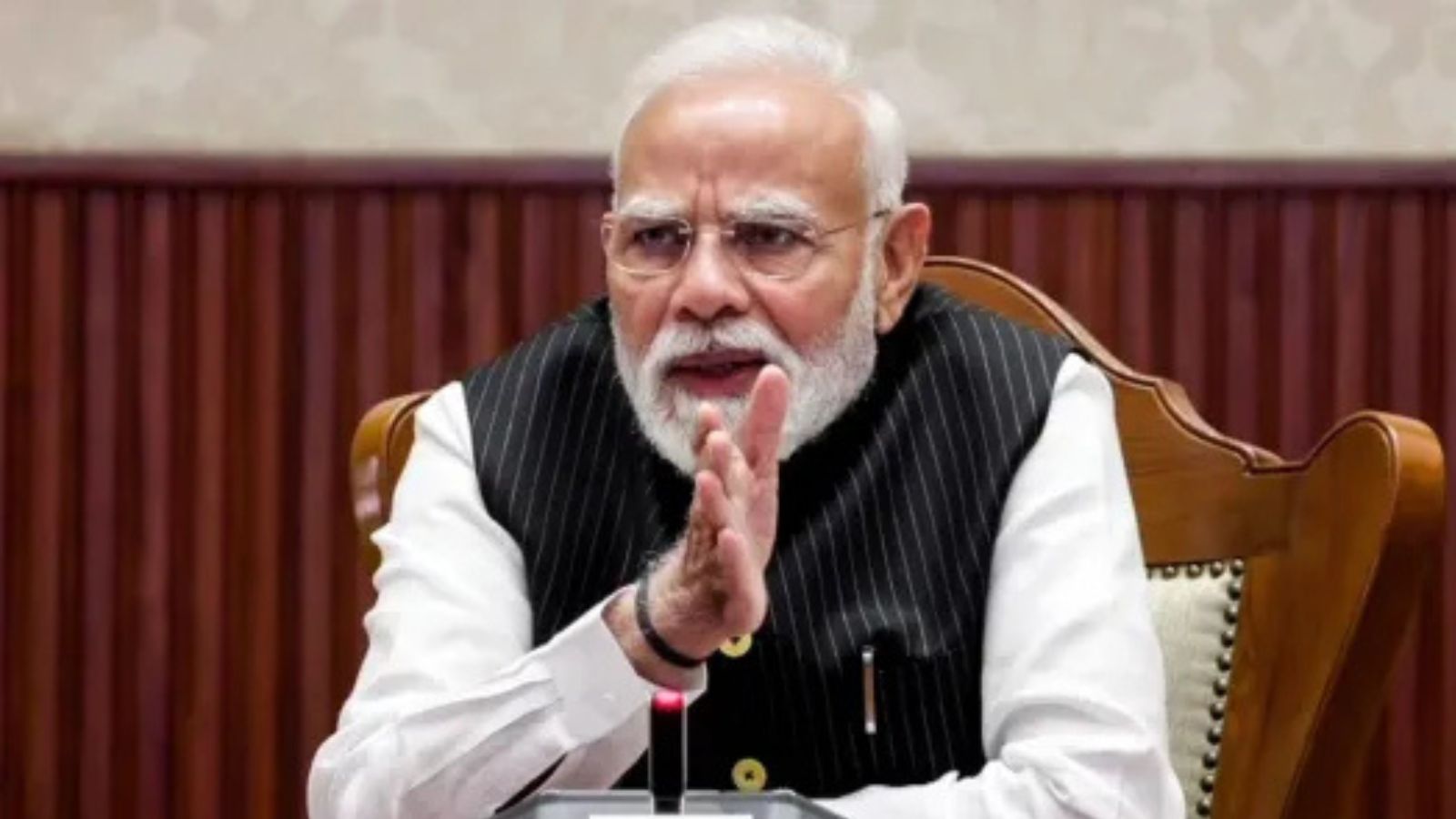
Prime Minister Narendra Modi called on National Teachers Award winners to raise parental awareness about excessive screen use among children. He emphasized promoting sports, physical play and creative activities as alternatives to digital devices.
- Excessive screen time harms children’s health
- Teachers must engage parents in dialogue
- Sports and creative pursuits are essential alternatives
Prime Minister’s Appeal
New Delhi (Sept 5, 2026) – Prime Minister Narendra Modi, during a meeting with National Teachers Award winners at his residence, urged educators to alert parents about the growing concern of children’s screen time. He described it as a "major concern" that requires immediate attention.
Why Screen Time Matters
Modi highlighted that many children continue using mobile phones after bedtime, disrupting sleep and physical development. He advised parents to monitor daily usage, set clear limits, and enforce device‑free hours, especially at night.
Alignment with the National Education Policy
The Prime Minister referenced the National Education Policy’s call for learning beyond the classroom, stressing real‑world skills, outdoor activities, and the dignity of labour. He urged teachers to go beyond syllabus delivery and instill values such as teamwork and respect for work.
Expanding the Teacher’s Role
With joint‑family structures declining, Modi said teachers now have a pivotal role in observing children’s behaviour, emotional changes, and everyday life, not merely academic performance.
Alert on Drug Abuse
Modi also flagged the rising drug issue, urging teachers to stay vigilant, identify early signs of substance use, and guide affected students toward recovery.
Awardees Profile
This year, 82 educators received the National Teachers Awards – 48 from the Department of School Education & Literacy, 21 from higher‑education institutions and polytechnics, and 13 skill trainers from the Ministry of Skill Development and Entrepreneurship. They showcased innovative classroom practices that boost engagement and learning outcomes.
Historical Background
India’s concern over children’s screen exposure dates back to the early 2010s, when government reports highlighted a surge in digital device ownership among youngsters. The 2020 Digital Literacy Mission attempted to channel technology positively, yet recent parental complaints have reignited the debate, prompting Modi’s renewed focus.
Why This Matters
BozokMedia analysis shows that unchecked screen exposure can impair cognitive development and increase mental‑health risks, making teacher‑parent collaboration a critical preventive strategy for India’s next generation.
"Managing screen time is not just a technical challenge; it’s a societal shift that requires educators to become guardians of children’s holistic well‑being," says child psychologist Dr. Anjali Singh.
Frequently Asked Questions
Question 1: What are the most effective ways to limit screen time?
Answer: Set clear daily limits, enforce device‑free evenings, and encourage physical and creative alternatives.
Question 2: How can teachers support this initiative?
Answer: Organize parent‑teacher workshops, share regular screen‑usage reports, and launch school‑wide digital‑detox programs.