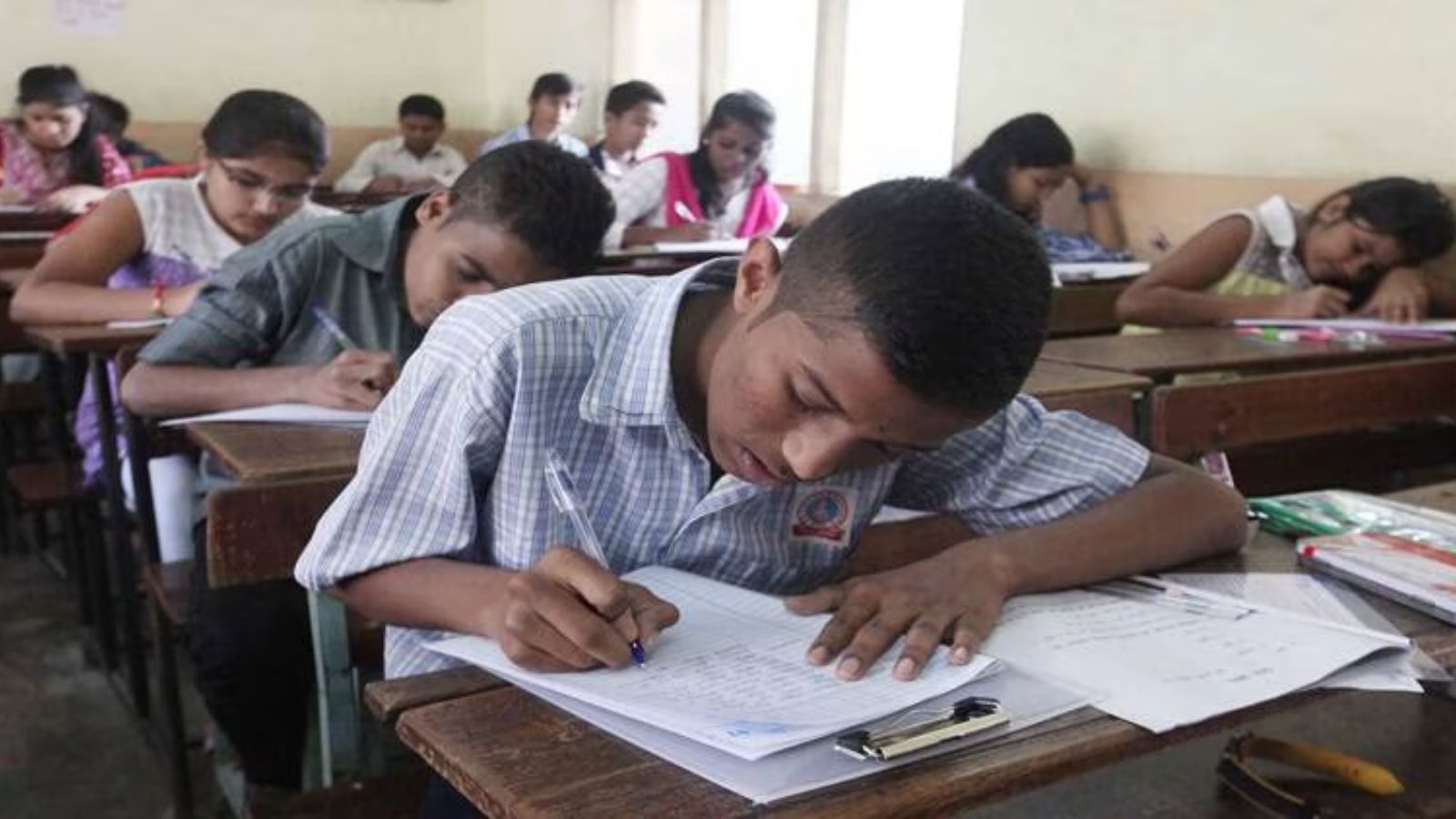
Experts argue that India's examination crisis isn't just about paper leaks, but a structurally flawed system that imposes excessive psychological and financial burdens on students. A proposed shift toward a streamlined, student-centric assessment model could redefine academic success.
- India needs to shift from a fragmented, multiple-exam model to a streamlined two-part system.
- The current high-stakes environment contributes significantly to student anxiety and mental health crises.
- Proposed reforms include readiness-based banding instead of precise national ranking to reduce false precision.
- The Nandan Nilekani task force has a unique opportunity to move beyond security to systemic redesign.
For the average Indian student, the period between February and June is a gauntlet of high-stakes testing. From board exams to national and state-level entrance tests, candidates often sit for multiple assessments that measure substantially the same capabilities. This redundancy creates a cycle of repeated application fees, costly coaching, and immense familial stress, where a difference of just two marks can determine a student's entire professional trajectory.
The appointment of a high-powered task force led by Nandan Nilekani comes at a critical juncture of public distrust. While the immediate mandate is to plug security loopholes and prevent paper leaks, the deeper challenge lies in the architecture of the system itself. A perfectly secure exam can still be a poorly designed one if it fails to serve the student's well-being and the nation's educational goals.
The current structure concentrates extreme uncertainty and pressure into a few decisive moments. When demand for seats far exceeds supply, the system transforms from a measure of merit into a lottery of resilience. This structural flaw is often misdiagnosed as a lack of individual resilience in students, leading to superficial solutions like counseling helplines rather than addressing the root cause: an overburdened examination calendar.
Why This Matters
BozokMedia analysis shows that the current 'exam-culture' in India prioritizes institutional convenience over student psychology. By forcing students to prove their worth across five or six different platforms, the state is inadvertently institutionalizing anxiety. Moving toward a 'readiness' model rather than a 'ranking' model would shift the focus from elimination to qualification.
The goal of assessment should be to demonstrate necessary capabilities as few times as possible, reducing the psychological toll on the youth.
To rectify this, experts suggest a two-part model: Board examinations to certify school learning and a Common Admissions Assessment to measure readiness for higher education. This common test would focus on core competencies—critical reading, quantitative reasoning, and analytical communication—rather than rote memorization. Institutional-specific tests should only be permitted if they provide unique, incremental value (e.g., a portfolio for architecture).
Furthermore, the proposal suggests offering these assessments multiple times a year to ensure that a single emergency or illness doesn't derail a year of preparation. To ensure equity, these tests must be developed and validated in all 22 Eighth Schedule languages, moving beyond mere translation to cultural and linguistic validation.
Perhaps the most radical shift proposed is the abandonment of national ranks in favor of 'Readiness Bands'. Because the difference between the 10,000th and 10,001st rank is often statistically insignificant, reporting results in bands would reduce the 'false precision' that creates unnecessary competition and emotional distress.
Frequently Asked Questions
Q1: How would 'Readiness Bands' differ from traditional ranking?
Instead of telling a student they are ranked 50,000th in the country, a band would categorize them as 'Ready' or 'Highly Ready' for a specific course, removing the psychological weight of a numerical rank.
No, but it would consolidate them into one primary common assessment, allowing only specialized institutions to conduct additional, highly specific tests.
