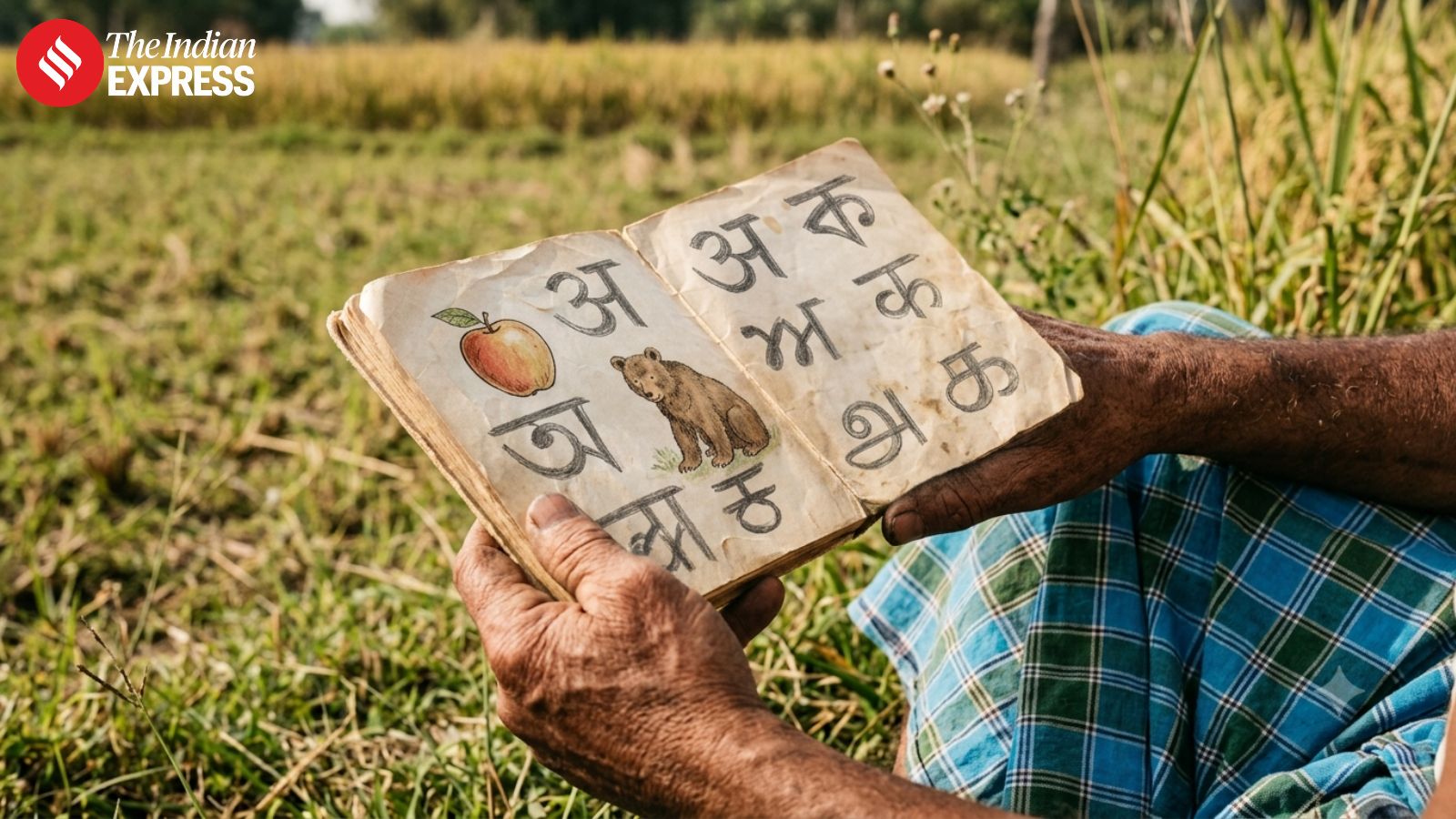
While global literacy has surged to 88% over six decades, UNESCO reports that 739 million adults still lack basic skills, with women making up two-thirds of this group.
- Global adult literacy has risen to 88%, up from 56% in 1950.
- Approximately 739 million adults worldwide still lack basic literacy skills.
- Women constitute nearly two-thirds of the illiterate adult population.
Six decades after UNESCO proclaimed International Literacy Day in 1966, the global landscape of education presents a complex narrative of monumental progress tempered by persistent inequality. Since 1950, when only 56% of the world's adults were literate, the global rate has climbed significantly to reach 88% today.
However, this statistical triumph masks a stark reality. As the world marks the 60th anniversary of International Literacy Day, at least 739 million adults remain unable to read or write basic text. This year's theme, "Literacy for people, the planet and prosperity," underscores that literacy is not merely a classroom metric but a cornerstone of sustainable development and economic opportunity.
Why This Matters
BozokMedia analysis shows that literacy is the fundamental engine of social mobility. The gap between those who can navigate the digital and economic world and those who cannot creates a cycle of poverty that is difficult to break, particularly in regions where education quality lags behind access.
Literacy is not just about the ability to read words; it is about the power to participate in the modern world.
The Regional Divide
The data from the UNESCO Institute for Statistics (UIS) reveals profound regional disparities. While Europe and North America boast an impressive literacy rate of 98.7%, sub-Saharan Africa struggles at 68.5%. Even in regions showing rapid improvement, such as Central and Southern Asia, the sheer scale of the population means that hundreds of millions still lack foundational skills.
| Region | Adult Literacy Rate (%) |
|---|---|
| Europe & North America | 98.7% |
| East & Southeast Asia | 96.7% |
| Latin America & Caribbean | 94.8% |
| Central & Southern Asia | 76.5% |
| Sub-Saharan Africa | 68.5% |
A critical dimension of this crisis is gender inequality. Of the 739 million illiterate adults, nearly two-thirds are women. This disparity highlights that increasing school enrollment is not enough; systemic barriers must be removed to ensure girls and women receive equal educational opportunities.
Historical Context and Challenges
In the mid-20th century, the fight for literacy was about basic access. Today, the challenge has evolved into 'learning quality.' Even among those who complete primary education, only about half reach minimum proficiency in reading. In sub-Saharan Africa, while literacy rates are rising, the total number of illiterate adults has actually increased due to rapid population growth outpacing educational expansion.
Frequently Asked Questions
1. What is the theme for International Literacy Day 2026?
The theme is "Literacy for people, the planet and prosperity."
2. Why is the literacy rate higher among youth than adults?
Increased global investment in primary and secondary education over the last few decades has significantly improved access for younger generations.