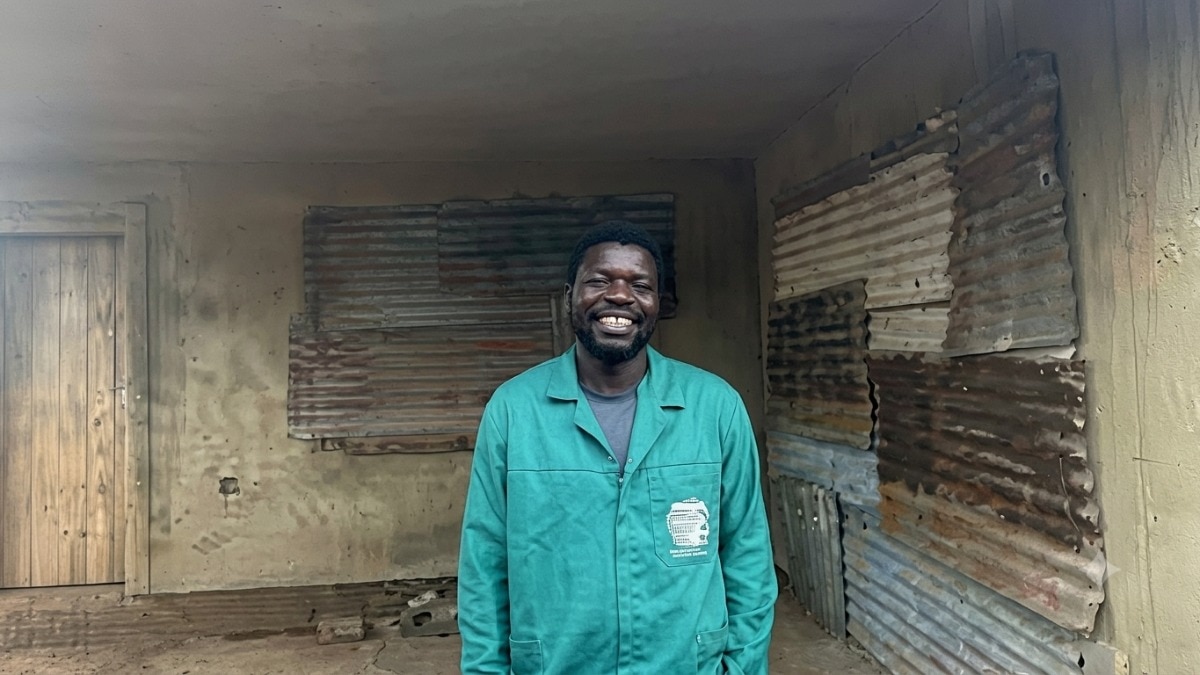
Matimba Mabonda, an MSc student at the University of Cape Town, has successfully built a sustainable three-bedroom pilot home in Johannesburg using a blend of local soil and recycled plastic.
- Pilot 3-bedroom house constructed using soil and plastic waste.
- Over 90% of the walls consist of earth-based and recycled materials.
- Project completed in under one month, significantly faster than traditional builds.
In a groundbreaking move toward sustainable urban development, Matimba Mabonda, a chemical engineering graduate and MSc student at the University of Cape Town (UCT), has developed a method to turn natural soil and plastic waste into durable housing. The project, located in Ennerdale, Johannesburg, serves as a proof-of-concept that affordable housing can be achieved without relying heavily on expensive, carbon-intensive conventional materials.
The construction process is remarkably efficient. According to UCT, the team managed to complete the three-bedroom pilot home in less than a month. By utilizing locally available soil and processed waste, they ensured that more than 90% of the walls were composed of alternative materials, drastically reducing the environmental impact of the build.
From Shack to Sustainable Architecture
Mabonda's motivation is deeply personal. Having grown up in a shack, he experienced firsthand the precariousness of inadequate housing. This personal history drove him to apply his chemical engineering expertise to solve a dual crisis: the desperate need for low-cost housing and the escalating global plastic pollution problem.
Why This Matters
BozokMedia analysis shows that this initiative aligns with the global shift toward a circular economy. By redirecting waste from landfills into the construction sector, Mabonda is not just building walls but is creating a blueprint for resource efficiency. If scaled, this could decentralize the construction industry, allowing communities to build their own homes using their own waste.
“The integration of waste materials into structural engineering is the only viable path toward achieving net-zero urban expansion."
Despite the initial success and the surge of requests for similar homes, the project faces the hurdle of scalability. For this method to become a mainstream alternative, it must undergo rigorous testing regarding structural integrity, long-term durability, and compliance with international building safety codes.
Frequently Asked Questions
Q1: Is the house safe for permanent living?
A: It is currently a pilot project. Further testing on durability and structural performance is required before it meets official safety standards.
Q2: How long did the construction take?
A: The three-bedroom home was completed in less than 30 days.