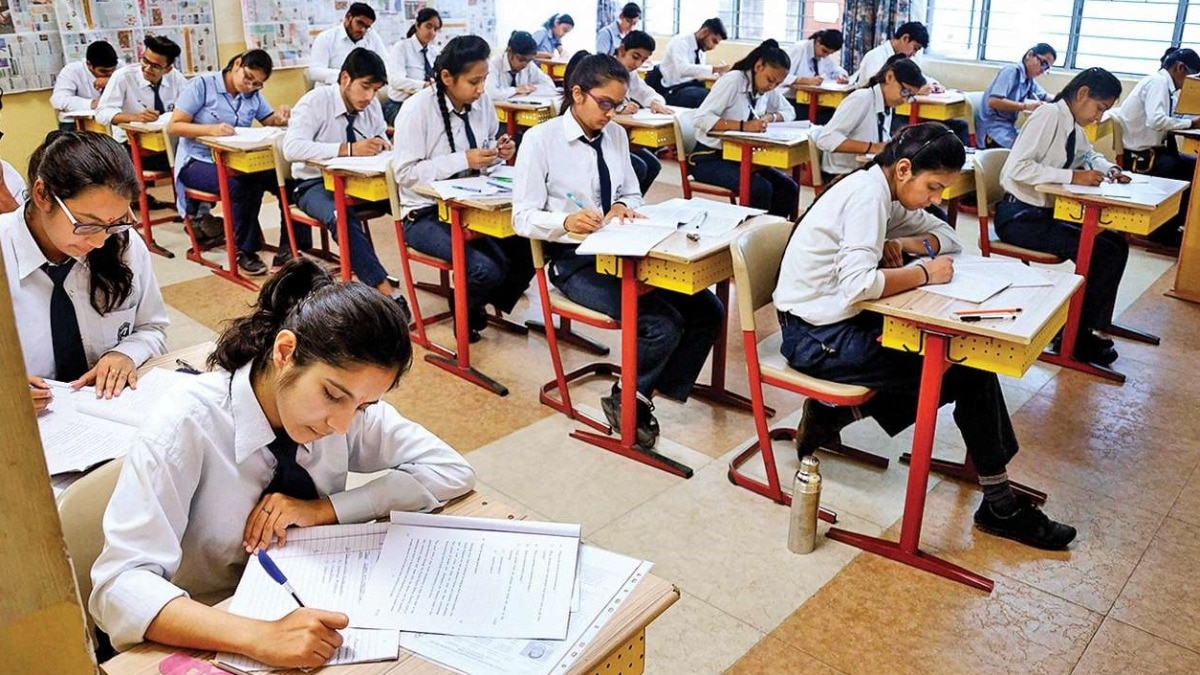
The latest PISA global assessment reveals a dramatic decline in US 15-year-olds' reading proficiency, sparking a fierce debate over the Trump administration's plan to dismantle the Department of Education in favor of 'school choice'.
- US reading scores dropped by 14 points since 2022, reaching a near 25-year low.
- 25.7% of US students are classified as low performers, marking the widest inequality gap among 90 participating nations.
- The Trump administration is leveraging these declines to justify dismantling the federal Department of Education.
- A shift toward 'school choice' and charter schools is being prioritized over traditional public school funding.
The Organisation for Economic Co-operation and Development (OECD) has released the 2025 Programme for International Student Assessment (PISA) findings, painting a grim picture of literacy in the United States. The data indicates that reading scores among 15-year-olds have plummeted to their lowest levels in nearly a quarter-century, reflecting a systemic crisis in the American education landscape.
While the decline is part of a global trend—with the OECD average across 23 countries dropping by 16 points—the United States is distinguished by its extreme disparity. Approximately 25.7 percent of US students are now ranked as low performers, while only 13.3 percent are top performers. This gap suggests that the US education system is failing a significant portion of its youth more severely than any other participating nation.
Why This Matters
BozokMedia analysis shows that this educational slump is not merely an academic failure but a political catalyst. The Trump administration is using these plummeting scores as empirical evidence to argue that the federal government's role in education is obsolete. By framing the Department of Education as an "entrenched bureaucracy," the administration is paving the way for a radical decentralization of academic standards.
"Looking across all 90 participating countries, there was not a single country with significantly wider inequality in reading scores than the US," says Michael Kieffer, professor at NYU.
Education Secretary Linda McMahon has advocated for a "hard reset," arguing that a "one-size-fits-all" federal approach has stifled innovation. The administration's strategy centers on "school choice," which diverts taxpayer funds from public schools to charter schools, homeschooling, and private institutions. This shift was further solidified by the One Big Beautiful Bill Act, which introduced federal tax credits for private school scholarships.
However, critics argue that removing federal oversight and defunding public schools will only exacerbate the inequality gap. They contend that the solution lies in increased targeted investment and teacher support, rather than shifting funds to less regulated private entities.
Historical Background
The US Department of Education was established in 1979 to ensure equal access to education and track national achievement. Over the decades, it has distributed trillions of dollars in funding. While it never set national curriculums—which remain the purview of states—it served as the primary mechanism for enforcing civil rights and providing aid to impoverished districts.
| Metric | US Performance (PISA 2025) | OECD Average (23 Countries) |
|---|---|---|
| Score Change (since 2022) | -14 Points | -16 Points |
| Low Performer Rate | 25.7% | Significantly Lower |
| Inequality Gap | Highest Globally | Moderate |
Frequently Asked Questions
Q: What is 'School Choice'?
A: It is a policy where public funding follows the student to a school of the parents' choice, including private or charter schools, rather than being tied to a specific local public school.
Q: Does the Department of Education set what students learn?
A: No, school curriculums and academic standards are traditionally decided by state and local authorities, not the federal government.