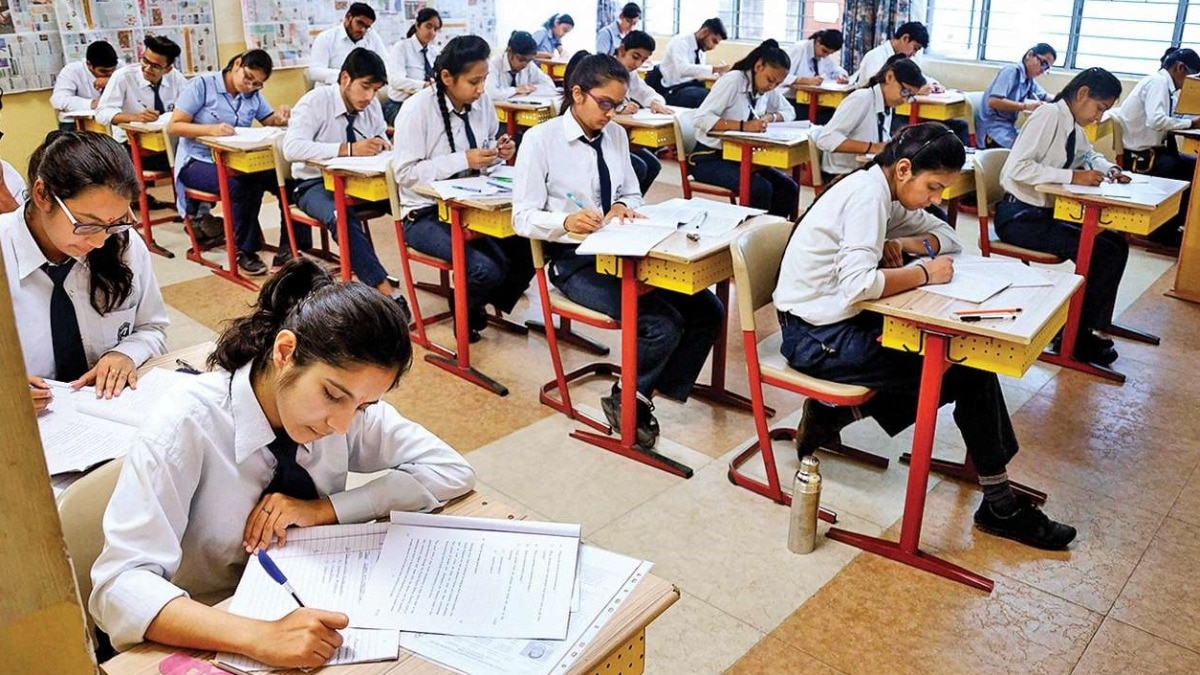
The Central Information Commission (CIC) has ordered CBSE to strictly follow RTI Rules 2012 for charging answer sheet photocopies and recommended removing restrictions on subsequent re-evaluation.
- CBSE must charge photocopying fees strictly as per RTI Rules, 2012.
- Recommendation to scrap the rule barring RTI applicants from seeking re-evaluation.
- CIC affirms that the RTI Act overrides inconsistent internal board regulations.
The Central Information Commission (CIC) has issued a decisive directive to the Central Board of Secondary Education (CBSE), mandating that the board provide copies of answer scripts requested under the Right to Information (RTI) Act by charging fees strictly in accordance with the RTI Rules, 2012.
The legal battle began when a Class 10 candidate filed an RTI application to obtain photocopies of his answer sheets. The student highlighted the prohibitive cost of the board's standard re-evaluation process. According to the application, the candidate was facing charges of ₹2,500 for photocopies of five subjects and another ₹2,500 for re-verification, with re-evaluation costing ₹100 per question—potentially pushing the total cost to ₹10,000.
Why This Matters
BozokMedia analysis shows that this ruling dismantles a financial barrier that often prevents students from lower-income backgrounds from challenging grading errors. By enforcing the RTI fee structure over the board's internal pricing, the CIC is ensuring that the right to information is not rendered meaningless by exorbitant administrative costs.
During the proceedings, the Central Public Information Officer (CPIO) of CBSE pointed to a circular dated May 19, 2025. This circular explicitly stated that candidates who obtain their answer books via the RTI Act are prohibited from subsequently applying for verification or re-evaluation.
"The spirit of the RTI Act is to foster transparency; using internal circulars to block legal remedies for students is a violation of that principle."
The CIC took strong exception to this provision, noting that preventing a candidate from seeking re-evaluation simply because they exercised their right to information is contrary to the law. The commission invoked Section 22 of the RTI Act, which grants the law an overriding effect over any other inconsistent provisions contained in other instruments.
Furthermore, the commission cited the Supreme Court's 2019 judgment in ICSI vs Paras Jain, which established that institutional guidelines and RTI frameworks are not mutually exclusive. Consequently, the CIC directed CBSE to align its practices with the RTI Rules and recommended an amendment to the May 2025 circular.
Frequently Asked Questions
1. Can students still apply for re-evaluation after getting answer sheets via RTI?
Yes, the CIC has recommended that CBSE amend its circular to allow this, as blocking it is inconsistent with the RTI Act.
The RTI Rules 2012 prescribe a standard, nominal fee for photocopies, whereas the board's internal re-evaluation process often involves high per-page or per-question charges.