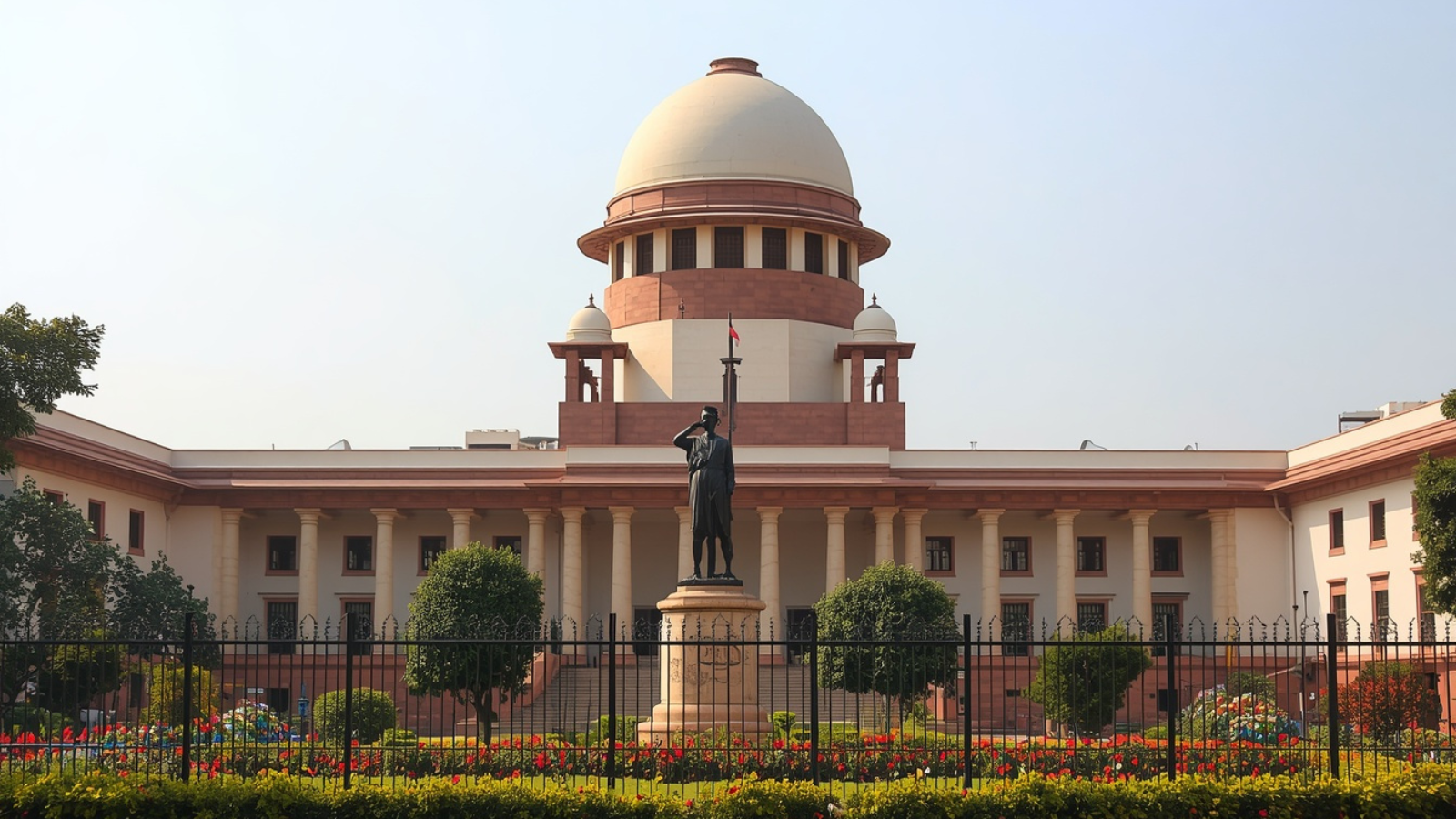
In response to the tragic building collapse in Satya Niketan, Delhi University has directed all colleges to review housing facilities and expedite new hostel projects to provide safe, affordable alternatives to private PGs.
- Delhi University (DU) has mandated a comprehensive review of residential facilities across all colleges.
- The Satya Niketan tragedy has exposed the dangerous lack of safety in private student accommodations.
- NHRC and the Delhi High Court are now monitoring the shortage of institutional housing.
- Colleges are exploring government schemes and funding to build new hostel blocks.
The University of Delhi (DU) has initiated a critical overhaul of its residential infrastructure following the devastating building collapse in Satya Niketan, a hub for private student rentals. The university administration has instructed the principals of all constituent colleges to evaluate current hostel capacities and identify feasible land for new construction projects to mitigate the chronic shortage of safe housing.
Colleges are now under strict orders to expedite the completion of hostels currently under construction. The goal is to move students out of precarious private rentals and into regulated, university-managed environments as quickly as possible. The assessment will cover not just the number of beds, but also maintenance requirements and future demand projections.
Why This Matters
BozokMedia analysis shows that for decades, DU has relied on the private market to house its massive influx of outstation students. Satya Niketan, while convenient, has become a symbol of unregulated urban growth where safety codes are often ignored for profit. By shifting the focus back to institutional housing, DU is attempting to reclaim responsibility for student welfare and safety, reducing the leverage of predatory private landlords.
The reliance on unregulated private housing for thousands of students is a systemic failure that necessitates an urgent, state-backed infrastructure revolution.
The crisis has escalated beyond the university's internal administration. The National Human Rights Commission (NHRC) has demanded a comprehensive report from the Delhi government and the University Grants Commission (UGC). Simultaneously, the Delhi High Court is reviewing a plea for a time-bound master plan to ensure every college has a proportional amount of housing for its student population.
To fund these expansions, the university is encouraging colleges to look beyond their internal budgets and explore government grants and external financial assistance. The new projects will prioritize fire safety, structural integrity, and habitability standards to ensure that no student has to risk their life for a place to sleep.
| Feature | Institutional Hostels (DU) | Private PGs (Satya Niketan) |
|---|---|---|
| Safety Standards | Regulated & Audited | Variable/Often Substandard |
| Affordability | Low/Subsidized | High/Market-Driven |
| Admission | Merit/Rule-based | First-come, First-served |
Frequently Asked Questions
Q1: Will these new hostels be available for all students?
A: Priority will likely be given to outstation students and those from economically weaker sections, following university merit and need-based criteria.
Q2: What triggered this sudden push for more hostels?
A: The building collapse in Satya Niketan highlighted the life-threatening risks associated with unregulated private student housing.