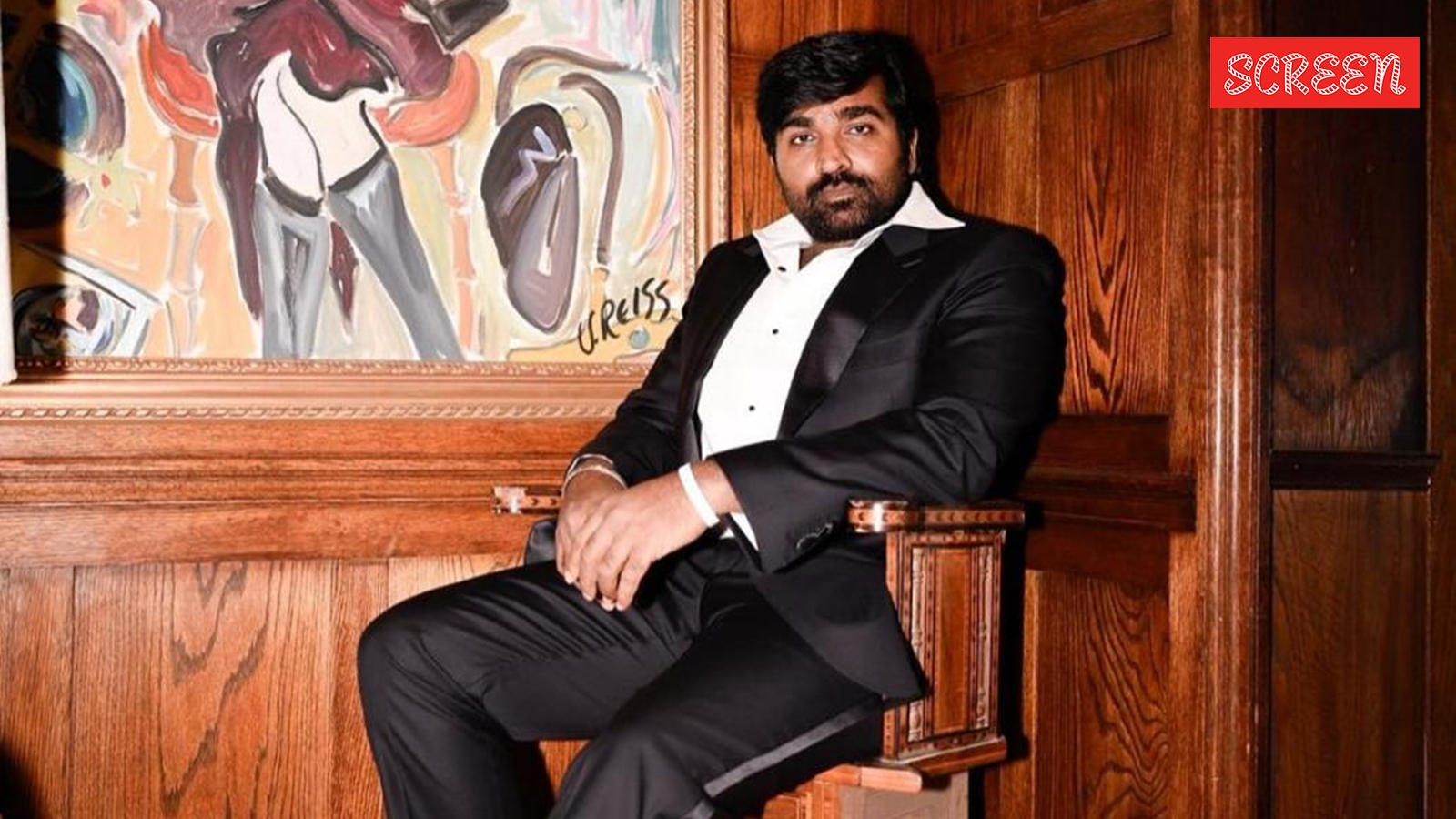
Actor Vijay Sethupathi opens up about his harrowing childhood, recalling how he stood by his father while debt collectors visited their home.
Key Takeaways
- Vijay Sethupathi shared intimate details of his struggle with poverty during his youth.
- He recalled working odd jobs like daily wage labor and telephone booth operator to survive.
- The actor highlighted his emotional bond with his father during times of debt and financial crisis.
- His journey spans from an accountant in Dubai to one of India's highest-paid actors.
The meteoric rise of Vijay Sethupathi in Indian cinema is often celebrated through his versatile performances in films like Vikram Vedha and Maharaja. However, behind the stardom lies a gritty, unvarnished reality of a boy from Rajapalayam who fought against the tides of extreme financial hardship.
A Childhood Defined by Labor
In a recent candid conversation, the actor stripped away the celebrity persona to reveal a youth spent in the trenches of survival. Long before he was a household name, Sethupathi was a student balancing academics with daily wage jobs. From working in telephone booths to serving as a cashier in fast-food outlets, his early life was a relentless pursuit of stability. "I’ve always loved working," he remarked, noting that his financial status often dictated his ambitions.
Standing Tall Against Debt
One of the most poignant revelations from his interview was his recollection of facing debt collectors. Unlike many who might shy away from such confrontation, Sethupathi chose to stand as a pillar for his father. "Even when debt collectors came over... I was the one who’d sit with my dad. I was the one dealing with it," he shared. This sense of responsibility toward his family became the driving force that eventually propelled him toward the silver screen.
The Professional Evolution
Sethupathi’s path to stardom was far from linear. After earning a degree in Commerce, he navigated a professional life as an accounts assistant in a cement business and later as an accountant in Dubai. It was only after returning to India and immersing himself in theatre and short films that he found his true calling. Today, at 48, his ability to portray characters from the margins of society—without stripping them of their dignity—is a direct reflection of the life he lived. His journey remains a testament to the power of resilience and the refusal to let circumstances define one's destiny.