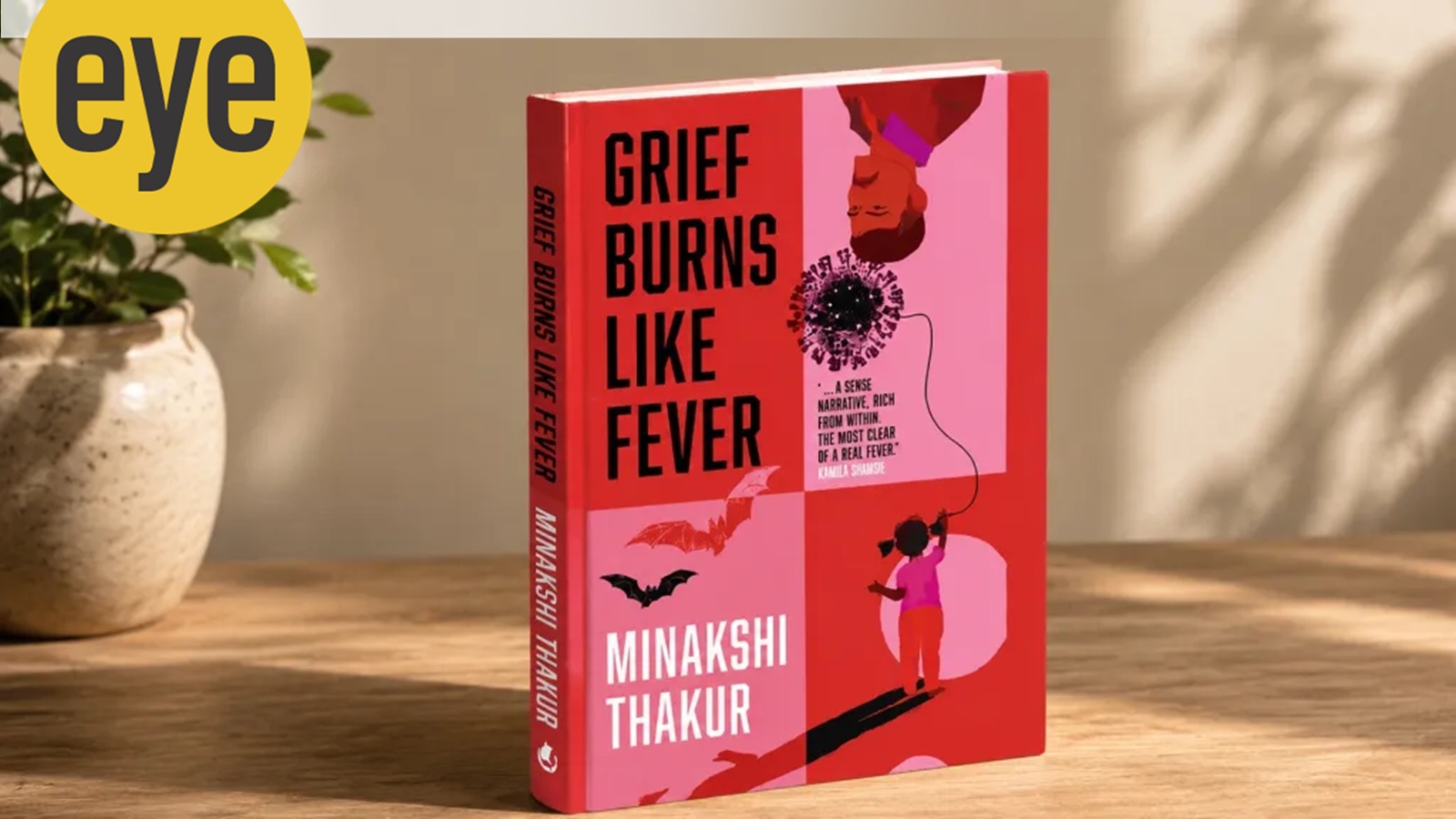
The Indian Express' Quick Verdict column dissects three recent releases. Minakshi Thakur's pandemic novel stumbles with unreliable narration, Jasreen Khanna spotlights revolutionary grandmothers, and Belle Burden's marriage memoir sidesteps the tough questions it promised to ask.
- Minakshi Thakur’s ‘Grief Burns Like Fever’ receives mixed reactions
- Jasreen Khanna’s ‘Bullet Nani…’ celebrates bold, feminist grandmothers
- Belle Burden’s ‘Strangers’ avoids confronting core marital issues
Quick Verdict: Three Books, Three Distinct Angles
The fortnightly Quick Verdict column of The Indian Express reviews three fresh literary entries, each tackling a facet of the COVID era, women’s empowerment, or financial inequality in marriage.
‘Grief Burns Like Fever’ – Minakshi Thakur
Set in Delhi’s second wave, the novel follows an ambulance driver shuttling patients – and eventually bodies – to an overcrowded crematorium. While the premise is compelling, the prose frequently flips between third‑person and first‑person viewpoints, leaving readers disoriented. The mother‑narrator later proves unreliable, undermining the story’s emotional weight.
‘Bullet Nani and Other Badass Indian Grandmas’ – Jasreen Khanna
Khanna compiles twelve vivid portraits of grandmothers who are doctors, scientists, models, YouTubers, and IPS officers. The collection shatters the stereotype of the passive elder, presenting a mosaic of resistance that redefines Indian feminism across regions, classes, and communities.
‘Strangers: A Memoir of Marriage’ – Belle Burden
Marketed as a cautionary tale for women who hand over finances to their spouses, Burden’s memoir leans heavily on victimhood while sparingly examining her own role in the marital breakdown. The narrative asks hard questions of the husband but evades introspection, resulting in a hollow reading experience.
Historical Background: The Rise of Pandemic Literature
Since 2020, COVID‑themed novels have multiplied, initially focusing on the virus’s psychological toll. Over time, authors have woven in themes of social inequality, gender dynamics, and economic distress, turning pandemic fiction into a mirror for broader societal shifts.
Why This Matters
BozokMedia analysis shows that post‑pandemic literature is reshaping reader expectations, forcing publishers to balance raw emotional truth with narrative coherence. Books that tackle COVID‑era challenges while presenting nuanced characters are likely to set new standards for literary credibility.
"Literature must confront the pandemic’s reality head‑on, not merely ride its emotional wave." – Dr. Rina Kapoor, literary critic
Frequently Asked Questions
Q1: What is the central theme of ‘Grief Burns Like Fever’?
A: It explores the fragility of life and the breakdown of social structures during the pandemic, but inconsistent narration hampers its impact.
Q2: Why are the grandmothers in ‘Bullet Nani’ considered groundbreaking?
A: They defy patriarchal expectations, carving out professional and personal identities that redefine Indian womanhood.