Comedian Kunal Kamra has faced intense backlash after referring to the Mahabharat as 'mythology' instead of 'history' during a stand-up set. He later defended his stance, distinguishing between historical facts and cultural tenets.
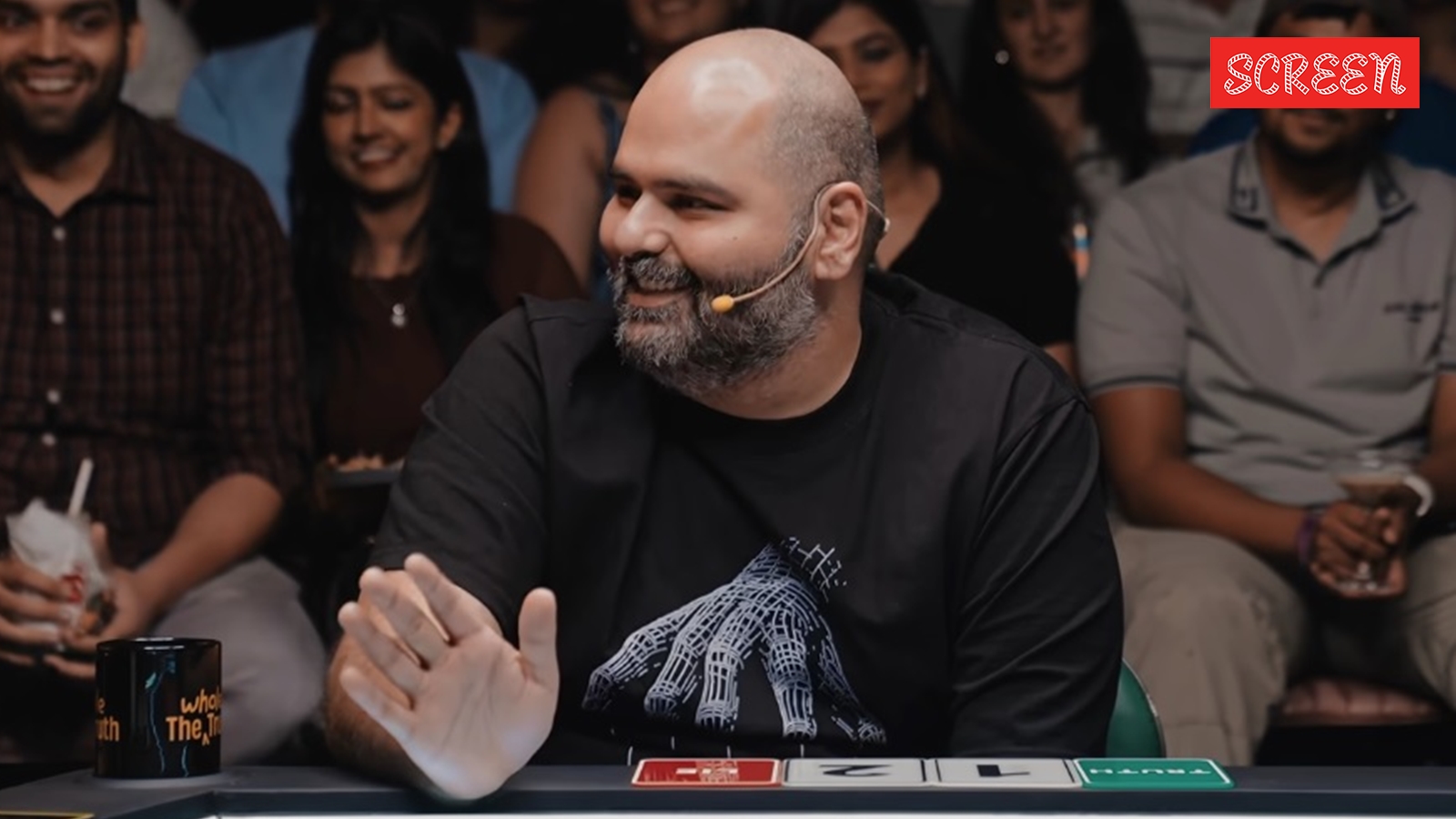
Stand-up comedian Kunal Kamra has landed in a fresh whirlwind of controversy. Following his appearance on comedian Gaurav Kapoor’s show 'Lie Hard', Kamra faced significant backlash after stating that the Mahabharat "was mythology and not history."
In response to the subsequent trolling on social media, Kamra took to 'X' to provide a philosophical distinction between the two concepts. He argued that while history documents what can be empirically established, mythology conveys what people believed, feared, and hoped for. He posited that sacred texts serve as "cultural tenets" that give meaning to abstract concepts like duty, love, and destiny.
Why This Matters
BozokMedia analysis shows that in the Indian socio-cultural landscape, the line between historical fact and religious epic is often perceived as non-existent by the masses. Kamra's attempt to categorize the epic as mythology touches upon a sensitive nerve regarding national identity and religious heritage, making the debate more about perception than academic definitions.
What elevates sacred texts is that they are cultural tenets and not part of history; they hold ground beyond time.
The friction began during a segment where guests were guessing truths and lies. When the discussion touched upon the location of the battle of Kurukshetra, Kamra intervened to warn against mixing history with mythology. This prompted a heated reaction from fellow panelists and viewers alike, with many asserting that for them, the epic is an inseparable part of their history.
Historical Background
The Mahabharat, attributed to the sage Vyasa, is one of the world's largest epic poems. Traditionally dated around the 3rd-4th century BC, the text has undergone numerous iterations. Its cultural impact in India is unparalleled, having been immortalized through various media, most notably the iconic 1988 television series directed by B.R. Chopra.
Frequently Asked Questions (FAQs)
1. What exactly did Kunal Kamra say that caused the controversy?
Kamra stated during a comedy show that the Mahabharat is a mythological text rather than a historical one, which many viewers found offensive.
2. How did Kamra defend his statement?
He explained that mythology is a vessel for cultural values and human imagination, whereas history is limited to what can be proven through evidence.