Is everything fair in the name of comedy? This comprehensive analysis explores the volatile tension between freedom of speech and social boundaries in modern humor.
- Analysis of the blurred line between satire and offense.
- The conflict between freedom of expression and social sensitivity.
- The impact of 'Cancel Culture' on creative freedom.
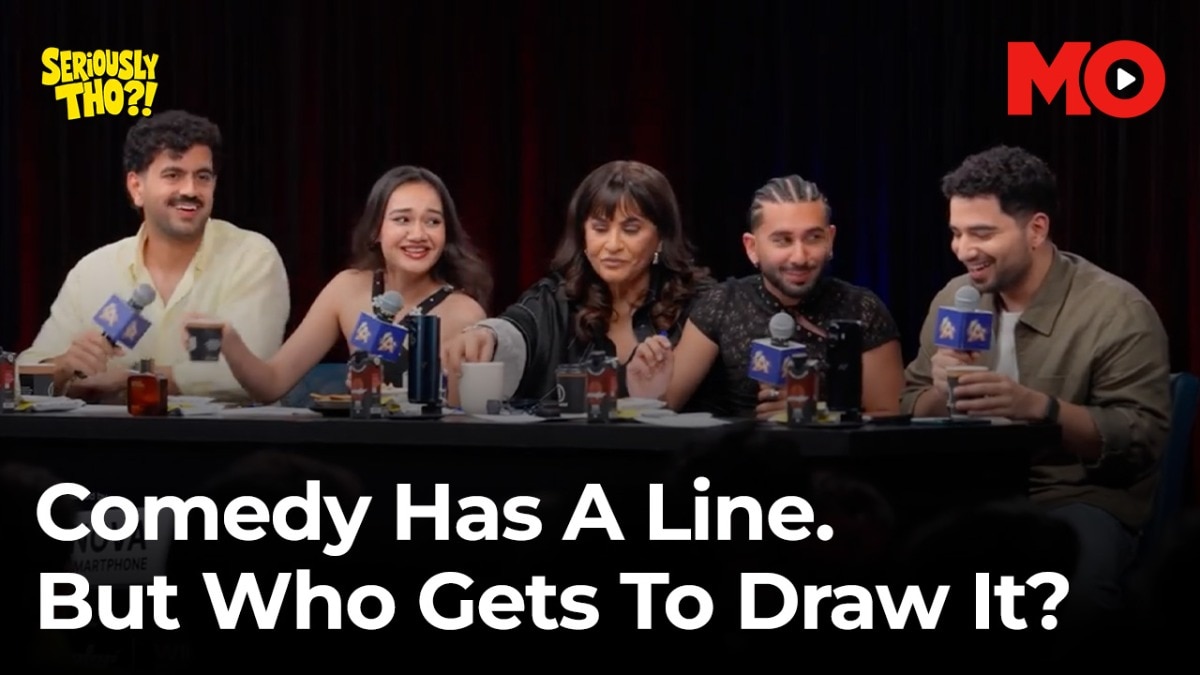
Comedy has long served as a mirror to society, reflecting its absurdities and contradictions. However, when this mirror focuses on deeply sensitive issues or marginalized identities, the resulting friction often sparks intense public debate. The core question remains: Who gets to draw the line that separates a joke from an insult?
Historically, satire was a weapon used by the disenfranchised to critique power and challenge authoritarianism. In the modern era, however, the medium has shifted. The rise of short-form video content means that a comedian's performance is often stripped of its nuance and context, leading to widespread misunderstandings and backlash.
Why This Matters
BozokMedia analysis shows that the democratization of content via social media has shifted the power of 'censorship' from the state to the crowd. This collective policing, while often aimed at protecting the vulnerable, can sometimes slide into a rigid moralism that stifles artistic experimentation and critical thinking.
"The line in comedy isn't a fixed boundary; it's a moving target that shifts with the cultural tide of the era."
The phenomenon of 'Cancel Culture' has created a chilling effect among performers. The fear of a single misplaced word resulting in professional exile has led some to play it safe, while others lean into 'outrage marketing' to gain visibility. This polarization makes a genuine dialogue about ethics in humor nearly impossible.
Ultimately, the 'line' is subjective. What one audience finds liberatingly honest, another finds offensively cruel. The challenge for the modern comedian is not just to be funny, but to be aware of the power dynamics inherent in their punchlines.
Frequently Asked Questions
1. Should there be legal restrictions on comedy?
While hate speech laws exist in many countries, applying them to art is complex, as it risks granting governments the power to silence dissent.
2. What is the difference between satire and hate speech?
Satire typically punches 'up' at power or targets systemic absurdity, whereas hate speech punches 'down' to marginalize or dehumanize a group.