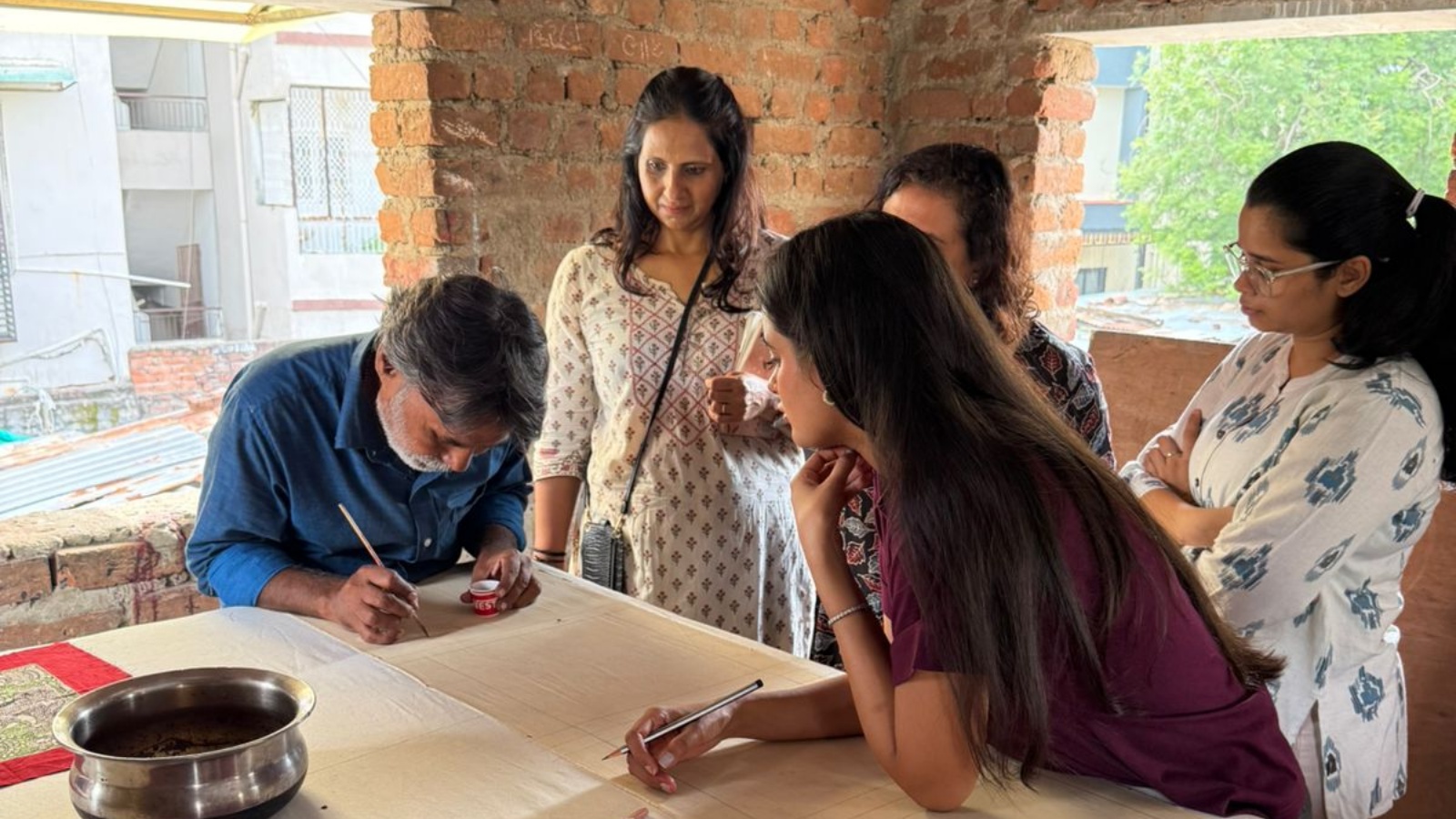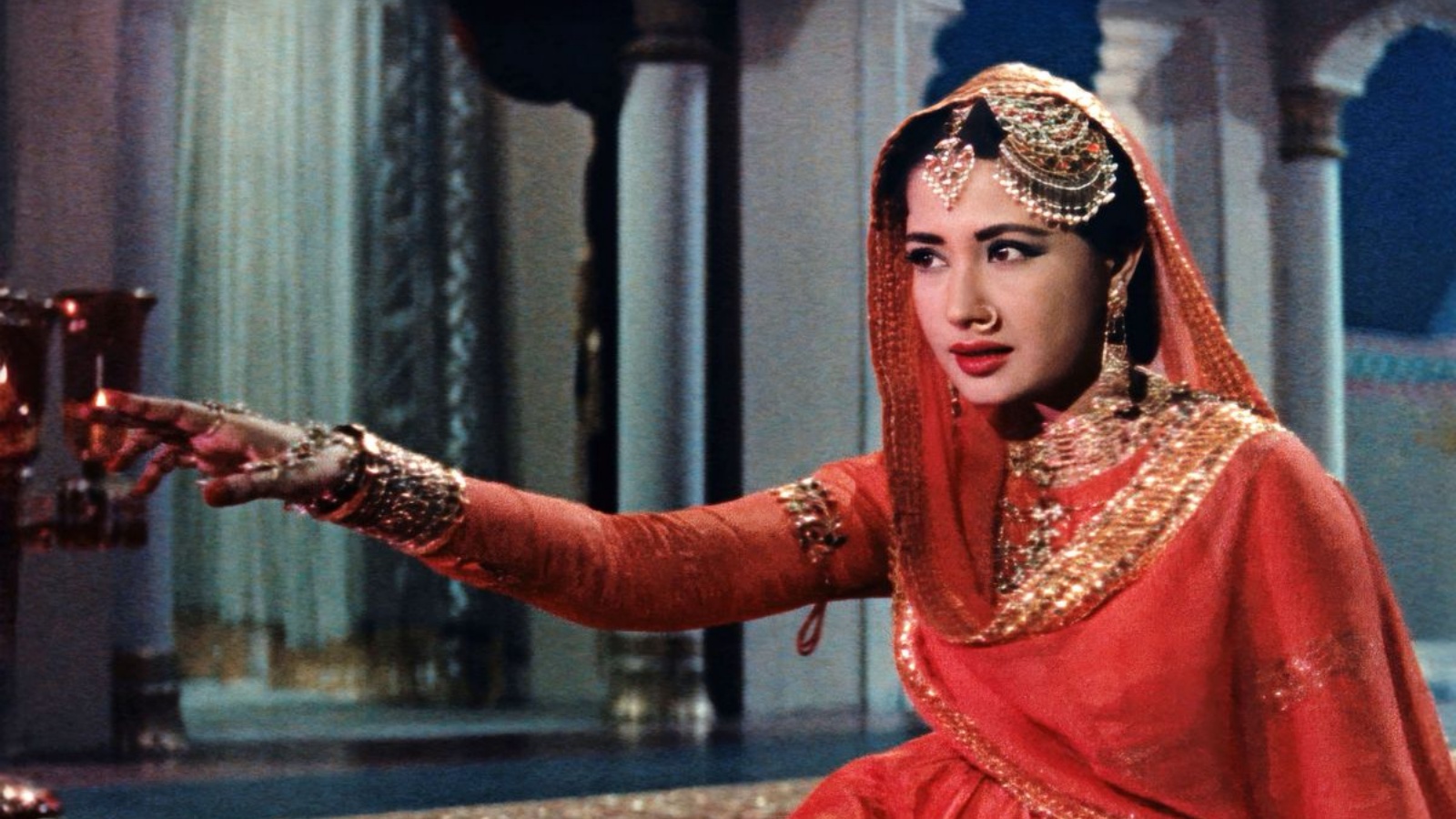
The legendary Indian classic 'Pakeezah' has undergone a massive two-year restoration process. The film is set to make its grand world premiere at France's Festival Lumière this October.
- 'Pakeezah' has been digitally restored after a rigorous two-year process by the Film Heritage Foundation.
- The restored version will premiere at the Festival Lumière in Lyon, France, this October.
- The film's production spanned 15 years, overcoming immense personal and technical tragedies.
The timeless legacy of Meena Kumari is set to shine brighter than ever. The cinematic masterpiece 'Pakeezah', a cornerstone of Indian celluloid history, has undergone a comprehensive restoration. Spearheaded by the Film Heritage Foundation (FHF), this two-year endeavor aims to bring the visual splendor of the 1972 classic to modern audiences. The film is scheduled for its world premiere at the prestigious Festival Lumière in Lyon, France, in October, followed by a special screening at the BFI London Film Festival.
A Decade of Struggle and Tragedy
The journey of 'Pakeezah' was as dramatic as its plot. Conceived in the mid-1950s by director Kamal Amrohi as a tribute to his muse, Meena Kumari, the film faced a grueling 15-year production cycle. What began as a black-and-white project in 1956 transitioned to Eastmancolor in 1958, but the production was constantly hampered by budgetary constraints and creative perfectionism.
The production was struck by several monumental losses. The death of legendary cinematographer Josef Wirsching in 1967 forced a collective of top cinematographers to step in to maintain the visual aesthetic. Furthermore, the iconic music composer Ghulam Mohammed passed away in 1968, after which the legendary Naushad was brought in to complete the background score. The film's survival was also a miracle, as Sunil Dutt and Nargis played pivotal roles in encouraging an ailing Meena Kumari to complete the shoot despite her battle with liver cirrhosis.
Why This Matters
BozokMedia analysis shows that the restoration of 'Pakeezah' is a critical step in preserving the cultural identity of South Asia. By salvaging a film that was nearly lost to physical decay, the FHF is ensuring that the nuanced storytelling and the aesthetic of the Nawabi era in Lucknow are not erased by time.
Restoring Pakeezah is akin to breathing life back into a fading dream of golden-age Indian cinema.
The technical challenges were immense. FHF director Shivendra Singh Dungarpur revealed that the original camera negatives were in a state of near-melting. The restoration team had to meticulously work with faded colors, scratches, and mold, utilizing interpositives from the Ramnord Lab and color reversal internegatives from the NFDC-National Film Archive of India to reconstruct the 153-minute epic.
Historical Context
When 'Pakeezah' finally reached theaters on February 4, 1972, it arrived at a turning point in Indian cinema. As the industry began shifting toward urban action blockbusters, this refined, Urdu-inflected melodrama stood as a testament to the era of studio-based storytelling. Tragically, Meena Kumari passed away shortly after the film's release, cementing its status as her defining legacy.
Frequently Asked Questions
Question 1: Where can the restored version of Pakeezah be watched first?
Answer: The world premiere will take place at the Festival Lumière in Lyon, France, in October.
Question 2: Who was responsible for the restoration of the film?
Answer: The restoration was led by the Film Heritage Foundation (FHF) in association with the Amrohi family.