Intense monsoon rains in Saharanpur, Uttar Pradesh, caused soil erosion that uncovered several graves. Villagers and police worked together to reinter the bodies with full religious rites, while residents highlighted long‑standing drainage failures demanding permanent solutions.
Key Takeaways
- Heavy rain in Saharanpur caused grave erosion, exposing bodies.
- Local residents and police reburied the remains with full religious rites.
- Community demands permanent drainage and river widening to prevent recurrence.
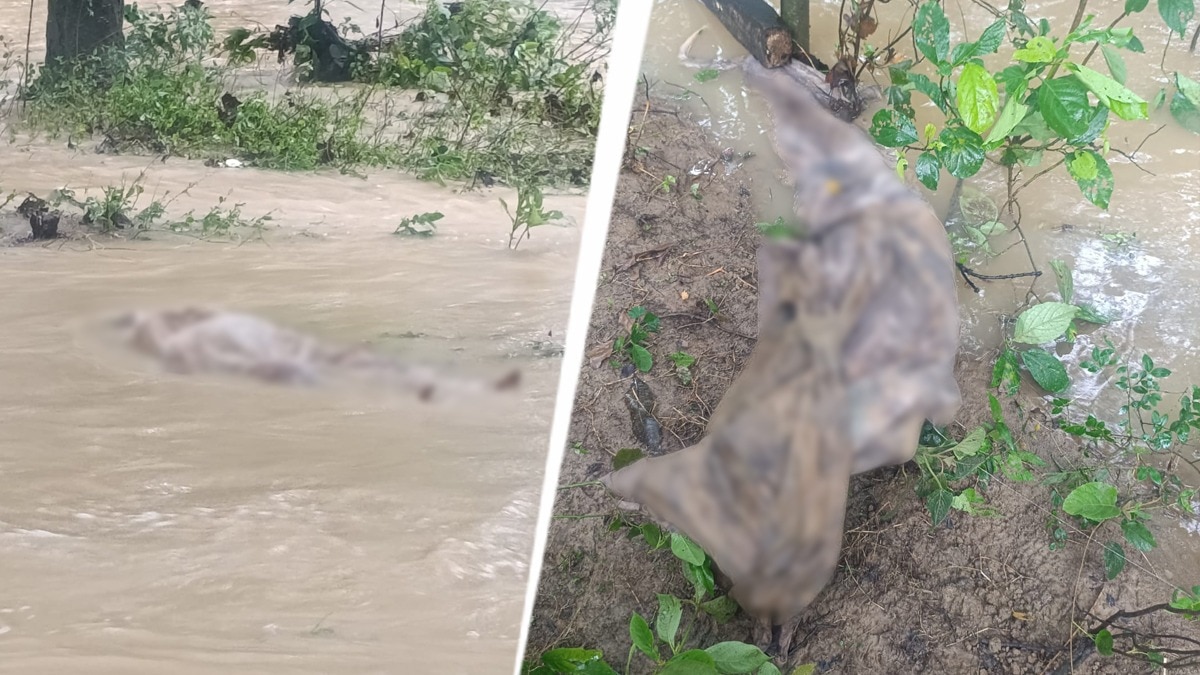
After three consecutive days of torrential rain, a cemetery on the highway of Saharanpur district, Uttar Pradesh, suffered severe waterlogging and soil erosion that stripped away the earth covering several graves. The exposed remains triggered a swift response from villagers, aided by police, who recovered and reinterred the bodies with full religious observances.
Incident Details
The relentless downpour raised water levels dramatically, allowing runoff to scour the cemetery’s soil. As the water surged, it weakened the burial plots, causing the ground to collapse and reveal the interred bodies. Video footage of the damaged graves quickly spread across social media, evoking grief and concern among the local population.
Community Response
Upon learning about the incident, a large gathering of residents arrived at the site. Police officers coordinated with community volunteers to ensure the safe handling of the remains. The bodies were then reburied at a higher, more secure portion of the cemetery, accompanied by traditional prayers and rituals, providing a sense of closure for the families.
Underlying Drainage Issues
Villagers argue that this tragedy underscores chronic drainage problems in the area. They point out that natural channels which once carried rainwater and river flow have been obstructed by illegal encroachments and land‑filling activities. Moreover, the Hindon River, which skirts the village, has narrowed over the years, exacerbating waterlogging during monsoon seasons.
Authorities’ Stance and Future Demands
Police officials attribute the incident to excessive rainfall and inadequate water‑retention infrastructure. While they confirmed that law and order remain intact, local leaders are demanding a permanent drainage solution, river widening, and the restoration of natural watercourses to safeguard the cemetery and surrounding habitations.
Broader Implications
Environmental experts warn that such events are symptomatic of broader climate‑adaptation failures. They advocate for a comprehensive redesign of drainage networks, regular de‑siltation of rivers, and stricter enforcement against encroachments. Implementing these measures could mitigate future risks, protect cultural sites, and enhance agricultural resilience in the region.