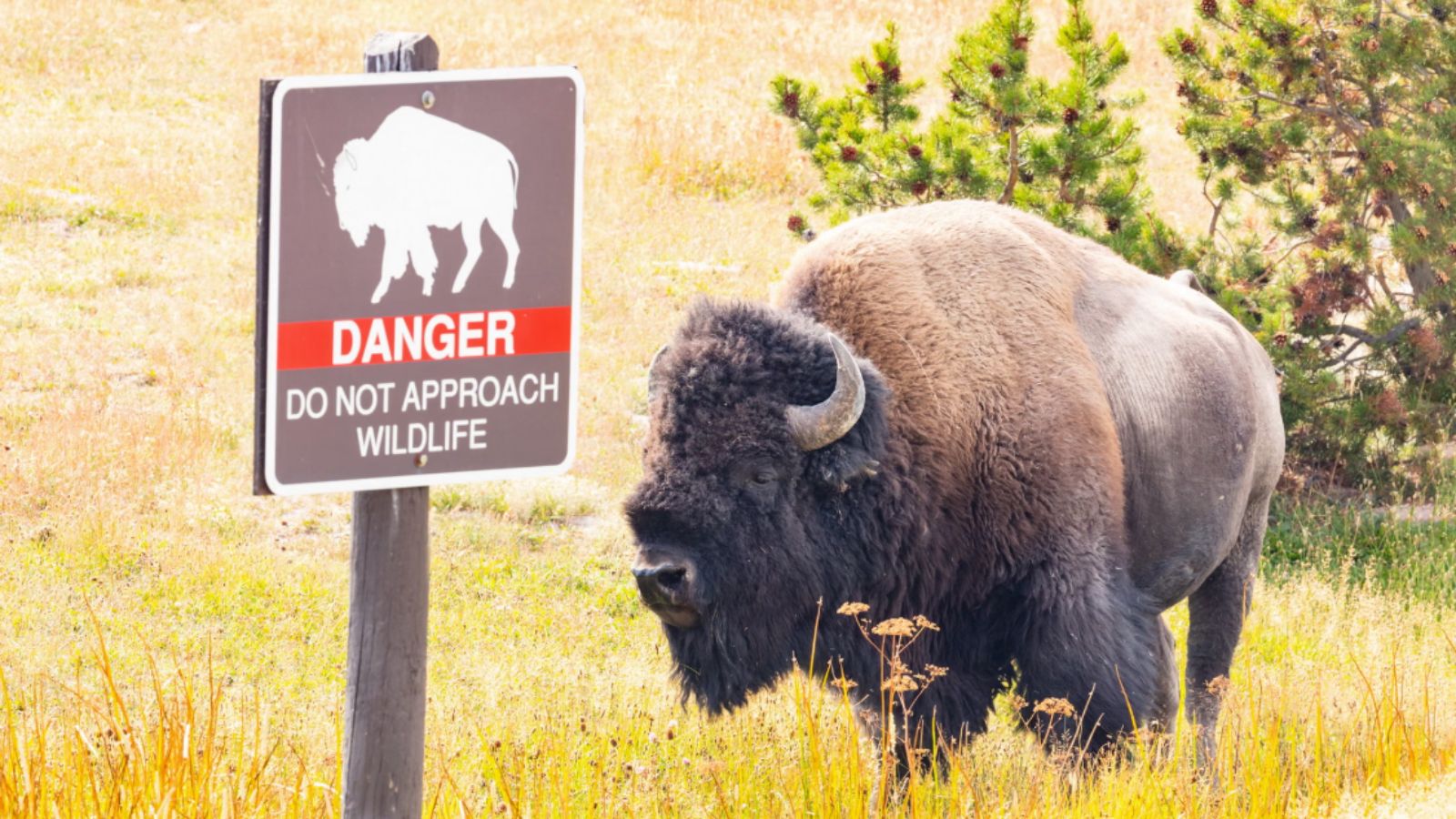
A bull bison hurled a tourist eight feet into the air at Yellowstone National Park in Wyoming, leaving the man seriously injured. The incident occurred during the bison mating season, prompting renewed scrutiny of park safety protocols.
Key Takeaways
- A bull bison threw a tourist 8 feet into the air, causing serious injuries.
- The attack happened during the bison mating season, when males are more aggressive.
- National Park Service must reassess wildlife‑visitor safety guidelines.
On Friday, a dramatic wildlife encounter unfolded at the Bridge Bay Campground in Wyoming’s Yellowstone National Park. A massive bull bison lunged at a tourist, hoisting him roughly eight feet (about 2.4 meters) into the air before slamming him to the ground. The moment was captured by professional photographer MacLeod, whose video later surfaced on the Cowboy State Daily website and YouTube.
Sequence of Events
The tourist was strolling with his grandson when a nearby pickup truck attracted the bison’s attention. The animal chased the truck, then turned its focus toward the father‑son duo, who had taken cover behind trees. While the grandson managed to escape, the bison seized the grandfather, flipped him, and tossed him sky‑high. Emergency responders arrived quickly, transporting the injured man to a hospital where his condition was reported as serious.
Park Safety Guidelines
Yellowstone’s National Park Service (NPS) already warns visitors that its wildlife, including bison, are “wild and dangerous.” The agency’s website advises maintaining a safe distance and backing away if an animal approaches. It also states that it is illegal to deliberately approach or remain near wildlife in a manner that could disturb them. The photographer noted that the tourist had been following these guidelines, underscoring the unpredictable nature of bison behavior during breeding season.
Historical Context and Future Implications
This is the second bison‑on‑human incident reported in 2026. Researchers have long documented that male bison become especially territorial and aggressive during the rut, a period when they compete for mates and display physical dominance. Experts suggest that park authorities should augment traditional signage with real‑time monitoring technologies—such as drones, GPS collars, and AI‑driven alerts—to better predict and mitigate dangerous encounters.
Conclusion
The episode highlights the delicate balance between preserving Yellowstone’s iconic wildlife and ensuring visitor safety. As climate change and increasing tourist numbers add pressure to the ecosystem, proactive measures become essential to prevent future tragedies.