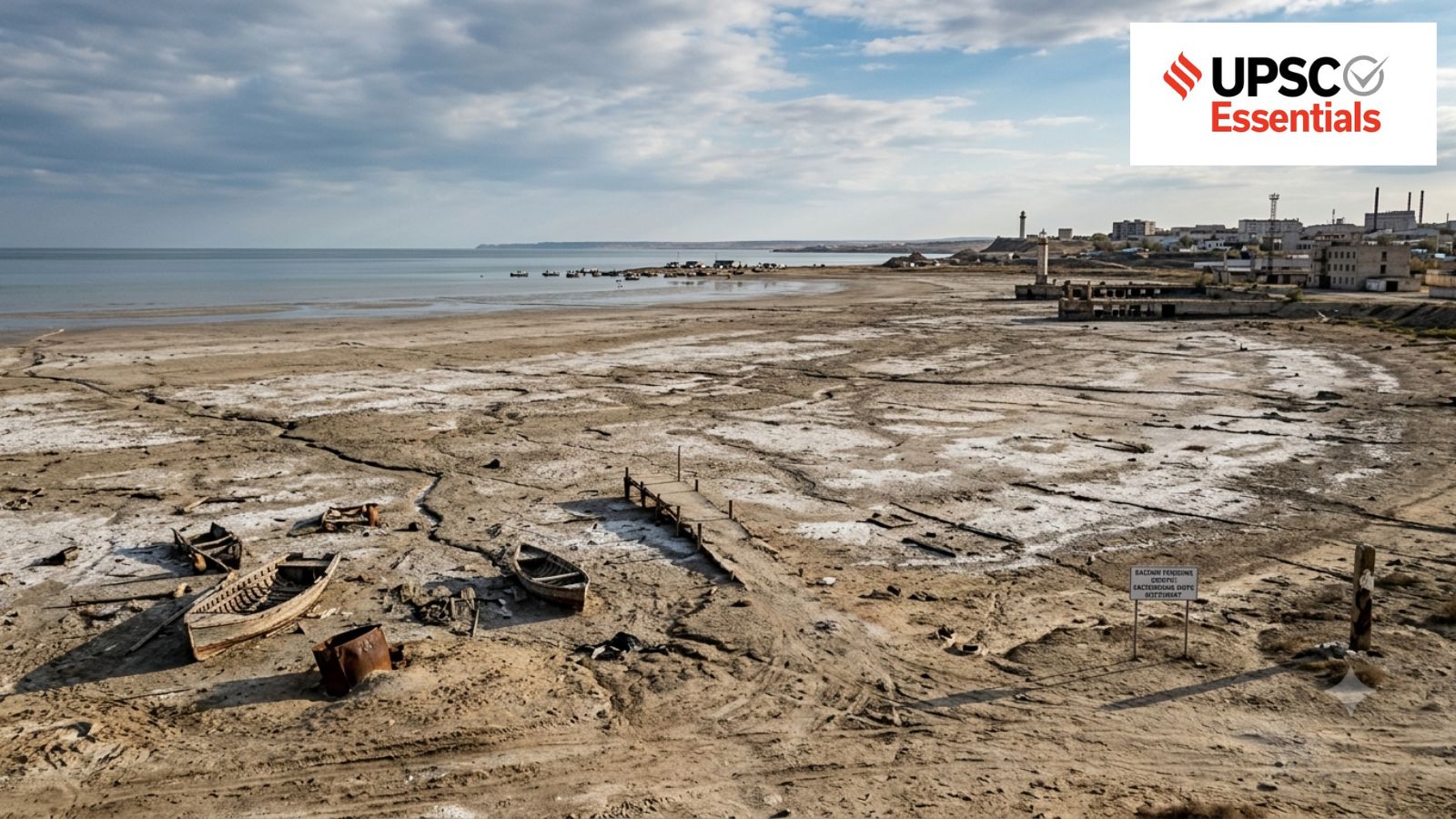
The Caspian Sea is rapidly losing surface area due to climate change and human activities, threatening its unique biodiversity and the livelihoods of surrounding communities. This article explores the drivers behind the shrinkage, the ecological and economic repercussions, and the steps needed to safeguard this critical inland ecosystem.
Key Takeaways
- The Caspian Sea is losing surface area, leading to lower water levels.
- Reduced river inflow, dam construction, and climate‑driven evaporation are the main causes.
- Endemic species, fisheries and regional trade routes face serious threats.
The Caspian Sea, the world’s largest landlocked water body, is undergoing an unprecedented contraction driven by a blend of climate‑related and anthropogenic pressures. This retreat not only reshapes regional climate patterns but also poses a broader challenge to global ecological balance.
Background and Ecological Significance
Straddling the border between Europe and Asia, the sea covers roughly 371,000 km² with a coastline of 6,819 km. About 130 rivers feed it, the most important being the Volga River, which supplies nearly 80 % of the total freshwater inflow. As a closed basin, the Caspian hosts a remarkable level of endemism—over 80 % of its aquatic species, including the iconic Caspian seal and several sturgeon species that produce the majority of the world’s caviar, are found nowhere else.
Drivers of the Shrinkage
A June 2026 study identified two primary mechanisms behind the sea’s recession: (i) declining freshwater inflow caused by upstream damming, reservoirs, and irrigation diversions that restrict the Volga and other tributaries; and (ii) accelerated evaporation linked to rising regional temperatures—approximately 1 °C since the mid‑20th century—along with shifting wind patterns that increase moisture loss. Between 1979 and 2015, surface air temperature rose by about one degree, pushing evaporation rates far beyond the diminishing river inputs.
Potential Consequences
The drop in water level triggers a cascade of adverse effects. First, breeding and spawning habitats for endemic fauna shrink, endangering species such as the beluga sturgeon that migrates upstream to reproduce. Second, altered salinity and temperature regimes heighten the risk of harmful algal blooms, which can devastate fish populations and public health. Third, reduced depth compromises navigability of key shipping lanes, undermining the sea’s role in regional energy transport and trade corridors that link Russia, Central Asia, Iran, and broader initiatives like China’s Belt‑and‑Road and India’s INSTC.
Conservation and Future Outlook
Addressing the Caspian’s plight demands coordinated, multi‑level action. Restoring river inflows through revised dam‑operation policies, enhancing water‑use efficiency in agriculture, and implementing basin‑wide climate‑adaptation strategies are essential. Moreover, establishing early‑warning systems for water‑level fluctuations, protecting critical wetlands, and promoting ecological restoration projects can mitigate biodiversity loss. Such measures not only safeguard the Caspian’s unique ecosystem but also preserve the socioeconomic stability of the bordering nations.