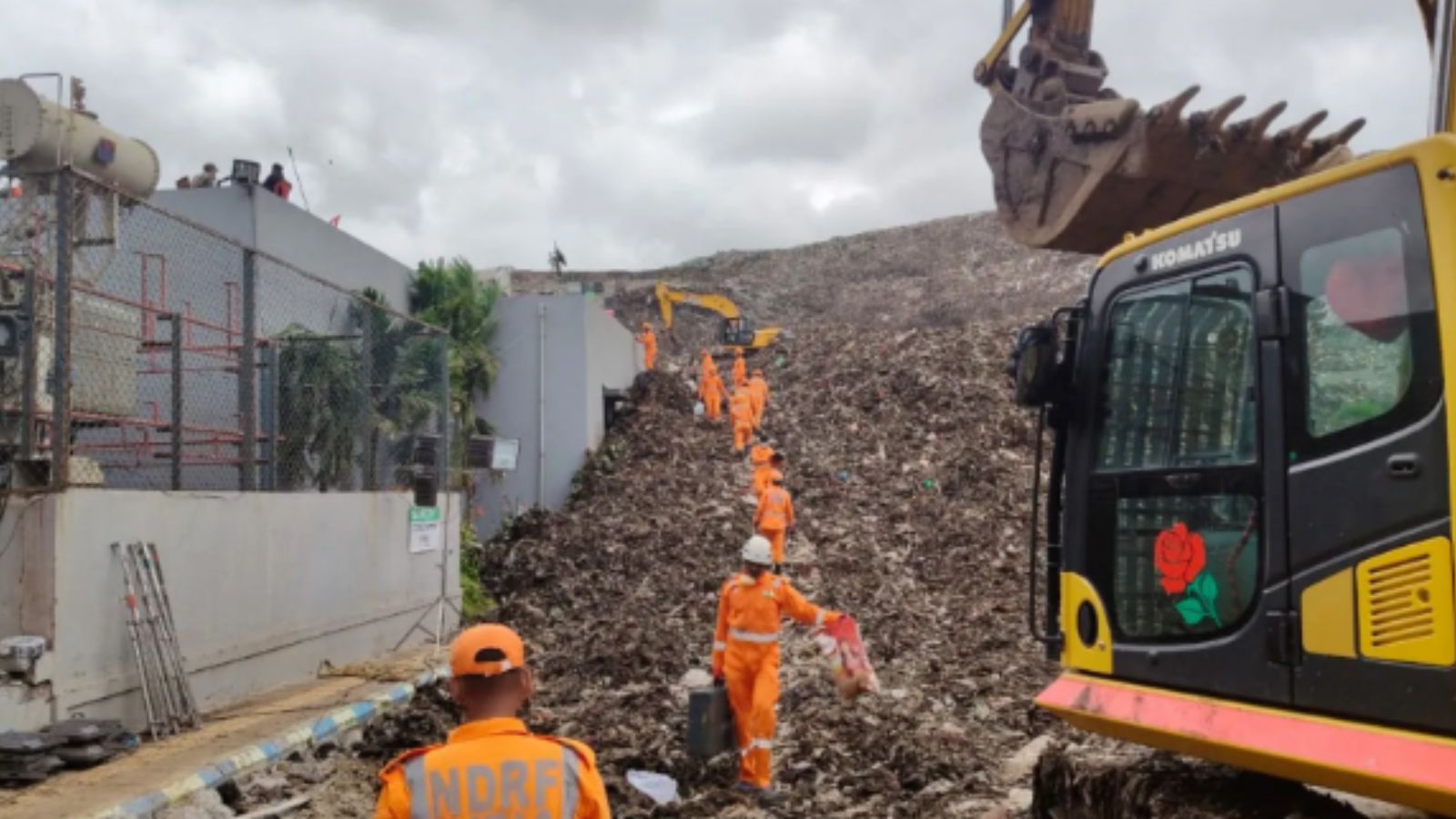
After a tragic collapse at a waste‑to‑energy plant in Pune, the Brihanmumbai Municipal Corporation has mandated a comprehensive safety audit of its Kanjurmarg, Deonar and Mulund landfill sites. The move aims to curb risks of landslides, fire and methane leaks.
Key Takeaways
- Comprehensive safety audit of Kanjurmarg, Deonar and closed Mulund landfills
- Inspection of structural stability, methane and fire hazards
- Immediate barricading of unstable excavation zones
The collapse of a waste‑to‑energy plant building in Moshi, Pune, which claimed nine lives and trapped dozens of workers, has sent shockwaves through India's waste‑management sector. In response, the Brihanmumbai Municipal Corporation (BMC) ordered an urgent, week‑long safety audit of its three primary landfill sites – Kanjurmarg, Deonar and the closed Mulund landfill where bio‑mining operations are underway.
Scope and Objectives of the Audit
Additional Municipal Commissioner Vipin Sharma convened a special meeting on Tuesday to review solid‑waste‑management (SWM) safety standards across Mumbai. The audit will evaluate the height of legacy waste mounds, pinpoint unstable excavation zones, and assess the structural integrity of sheds, workshops and other facilities within the landfill cells.
Focus on Mulund Bio‑Mining
Mulund, though officially closed, is currently being excavated for bio‑mining. Experts warn that uncontrolled excavation can destabilise old waste piles, potentially replicating Pune’s disaster. Consequently, officials have been instructed to immediately barricade any identified unsafe zones and restrict unauthorized access.
Fire and Methane Risk Assessment
With a new waste‑to‑energy (WTE) plant slated for Deonar, the audit will also scrutinise fire and methane‑gas hazards. Sharma urged contractors to conduct mock‑drills and stay prepared for RDF (refuse‑derived fuel) accumulation that could ignite.
Future‑Facing Measures
All departments are required to monitor and eliminate conditions that could lead to landfill collapse, slope failure, fire incidents, equipment accidents, or excavation mishaps through proactive engineering controls. Additionally, the audit will include a review of storm‑water and drainage systems to ensure monsoon‑ready resilience.
By addressing these vulnerabilities now, Mumbai aims to set a benchmark for urban waste‑management safety across India, restoring public confidence and preventing another tragedy like Pune’s.