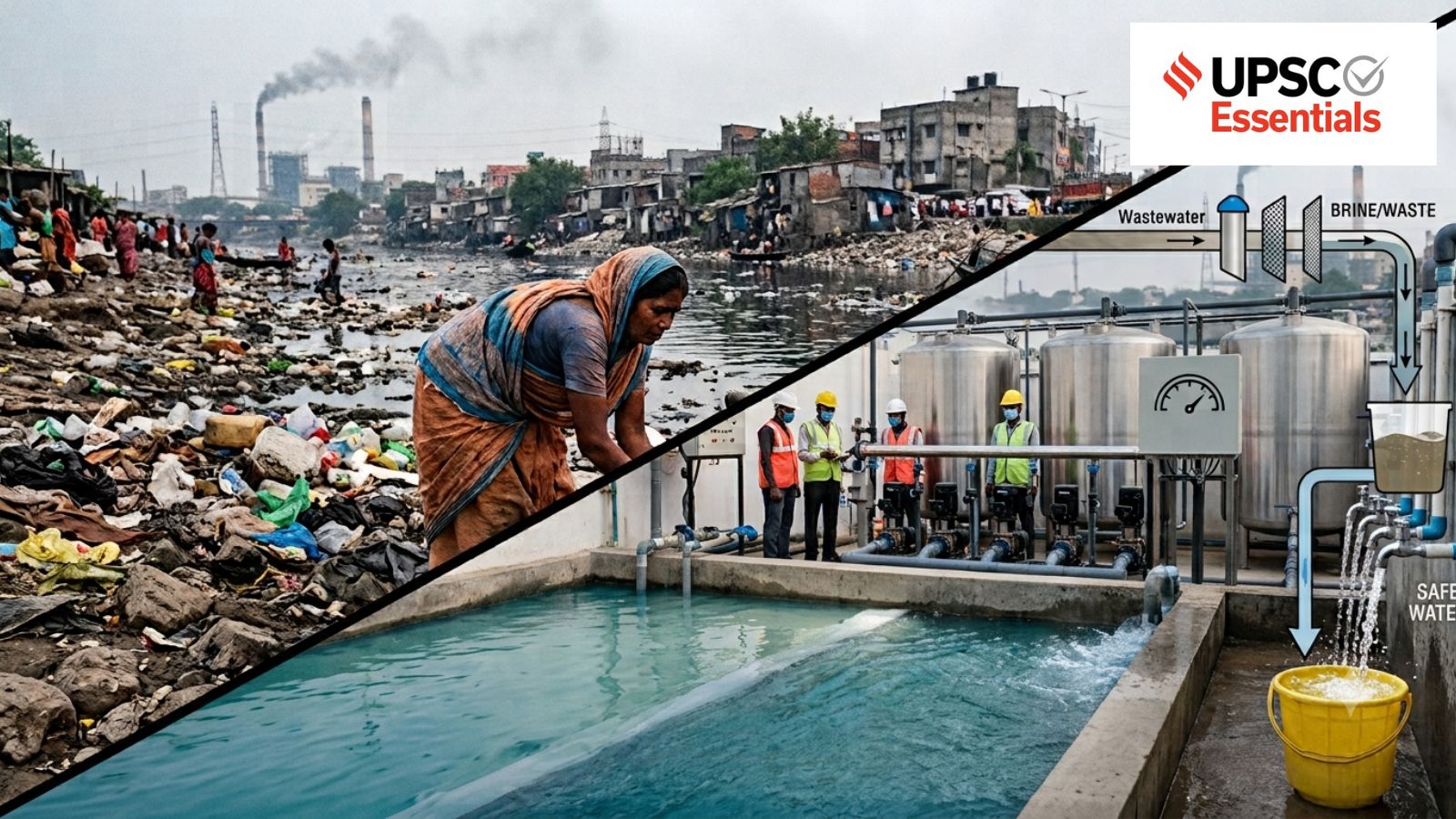
While chlorine‑based disinfection remains a cost‑effective method for large‑scale water treatment, recent research shows that many bacteria not only survive but also adapt by sharing resistance genes and forming protective biofilms. These emerging challenges could undermine both water security and public health.
Key Takeaways
- After chlorination, 55% of wastewater DNA and 99% of RNA are bacterial in origin.
- Horizontal Gene Transfer (HGT) and SOS stress responses enable bacteria to develop resistance.
- Membrane filtration such as reverse osmosis offers high purity but involves high costs and water loss.
Chemical disinfection, especially chlorine and chloramine, has long been the backbone of municipal water treatment worldwide. Its appeal lies in low cost and operational simplicity, yet the unintended biological consequences are often overlooked. Amid escalating water‑scarcity, over‑exploitation, and climate‑driven supply losses, scientists are questioning whether technology alone can guarantee future water security.
Key Findings from Recent Study
A cutting‑edge metagenomic and metatranscriptomic investigation revealed that even after standard chlorination, bacterial genetic material dominates the residual water matrix. Specifically, 55% of DNA and 99% of RNA retrieved from treated wastewater trace back to bacteria, disproving the notion that disinfection equates to complete eradication. Genera such as Methylobacterium, Sphingomonas, Hyphomicrobium displayed remarkable survivability, indicating a resilient microbial core.
How Bacteria Outsmart Disinfection
Bacteria acquire new genetic traits via two pathways: vertical transmission (parent‑to‑offspring) and Horizontal Gene Transfer (HGT). Chlorine exposure has been shown to accelerate HGT, facilitating the spread of antibiotic‑resistance genes and heavy‑metal tolerance elements. This phenomenon echoes Frederick Griffith’s 1928 transformation experiment, which demonstrated that non‑virulent bacteria could become pathogenic through uptake of foreign DNA—a principle now central to modern antimicrobial resistance.
Public‑Health Implications
Post‑treatment analyses uncovered enriched resistance determinants, including genes for aminoglycosides, fosfomycin, sulfonamides, and bacitracin. Moreover, biofilm‑forming microbes such as Mycobacterium, Streptococcus, Pseudomonas persist, creating protective layers inside distribution pipelines that shield bacteria from further chemical attack. These biofilms not only compromise water quality but also act as reservoirs for multidrug‑resistant organisms, elevating the risk of water‑borne infections.
Alternative Treatment Technologies
Membrane‑based filtration—microfiltration, ultrafiltration, nanofiltration, and reverse osmosis (RO)—offers tiered removal of contaminants. While RO can exclude virtually all dissolved solids, its high capital expense, maintenance demands, and inevitable water loss limit widespread adoption. Policymakers must weigh these trade‑offs against the rising costs of managing antibiotic‑resistant outbreaks linked to inadequate disinfection.
In conclusion, reliance on chlorine alone is insufficient for sustainable water safety. Integrating advanced genomics, continuous monitoring, and a mix of treatment modalities will be essential to curb the evolving microbial threat and protect public health.

