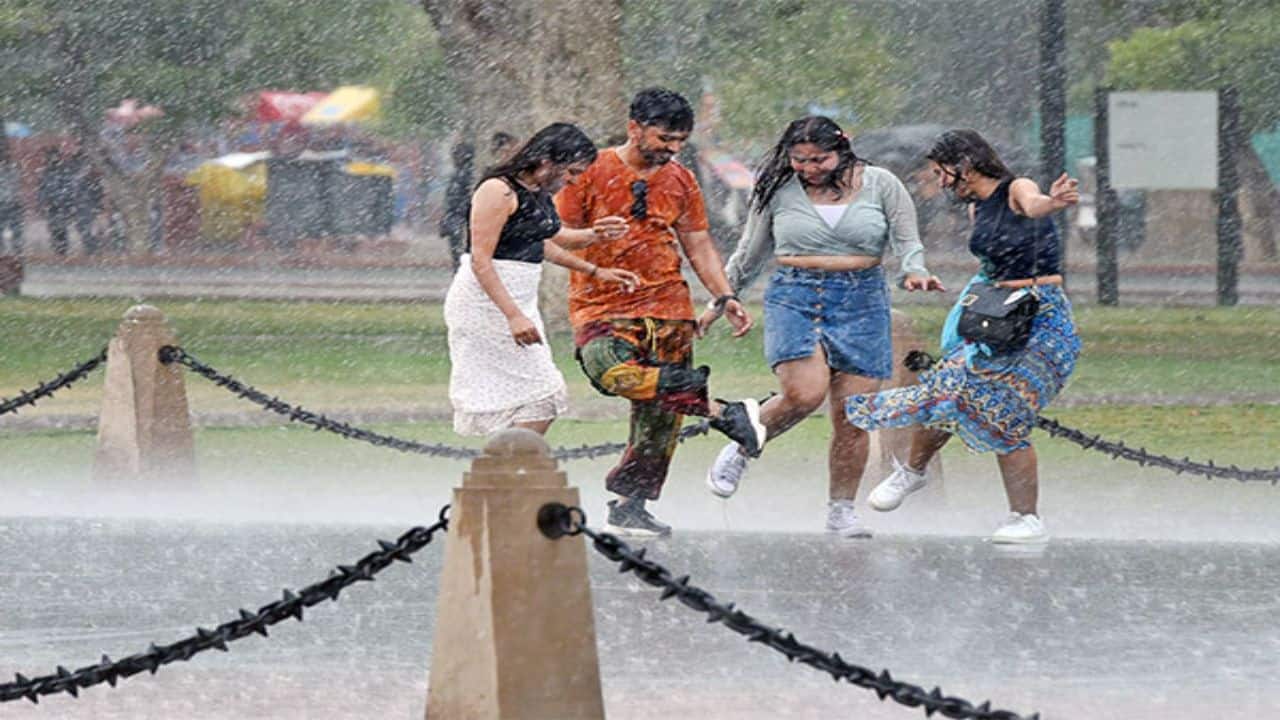
A study by Pune’s Indian Institute of Tropical Meteorology reveals that roughly 25% of monsoon rainfall evaporates before reaching the ground, intensifying concerns over water scarcity for farmers. The findings add a new dimension to understanding the nation’s rainfall deficit.
Key Takeaways
- About 25% of monsoon rain evaporates before reaching the surface
- High temperature, low humidity and small droplet size accelerate evaporation
- This loss directly impacts water availability and agricultural productivity
India’s monsoon season is the lifeline of its agriculture, water reservoirs, and overall economy. Yet, recurring shortfalls have left farmers and policymakers uneasy. In this context, the Indian Institute of Tropical Meteorology (IITM) in Pune conducted a comprehensive study that uncovered a startling figure: nearly one‑quarter of the rain released by clouds never makes it to the soil because it evaporates in the sub‑cloud layer.
Methodology and Core Findings
Researchers examined stable isotopes of hydrogen and oxygen in rainwater and atmospheric moisture across the northern Western Ghats. By tracing these chemical markers, they quantified how much water was lost as raindrops descended. The team also employed the Below‑Cloud Interaction Model (BCIM) to simulate droplet‑air interactions. The average evaporation rate stood at 23%, but extreme conditions saw losses soar to 61%.
Three Drivers of Evaporation
The study identified three dominant factors: droplet size, ambient temperature, and humidity. Higher temperatures combined with lower humidity cause smaller droplets to evaporate more rapidly, especially during light showers when drops linger longer in the sub‑cloud layer. Consequently, identical rainfall amounts can result in markedly different ground‑level water availability across regions.
Current Deficit and Agricultural Implications
By July 14, India recorded roughly 19% less rain than the long‑term monsoon average. Out of 741 districts, 397 reported below‑normal rainfall, with 326 experiencing modest shortfalls and 71 facing severe deficits. Eastern states such as Bihar and Jharkhand are grappling with gaps of 40‑50%. The newly quantified evaporation loss deepens the challenge of meeting irrigation needs and sustaining crop yields.
Path Forward
Experts argue that addressing water scarcity now requires finer‑scale weather modeling, expanded rainwater‑harvesting infrastructure, and possibly cloud‑seeding initiatives. Equipping farmers with climate‑resilient seeds and efficient water‑storage practices will also be crucial. The IITM findings underscore that managing the monsoon’s journey—beyond just its volume—must become a cornerstone of India’s water security strategy.