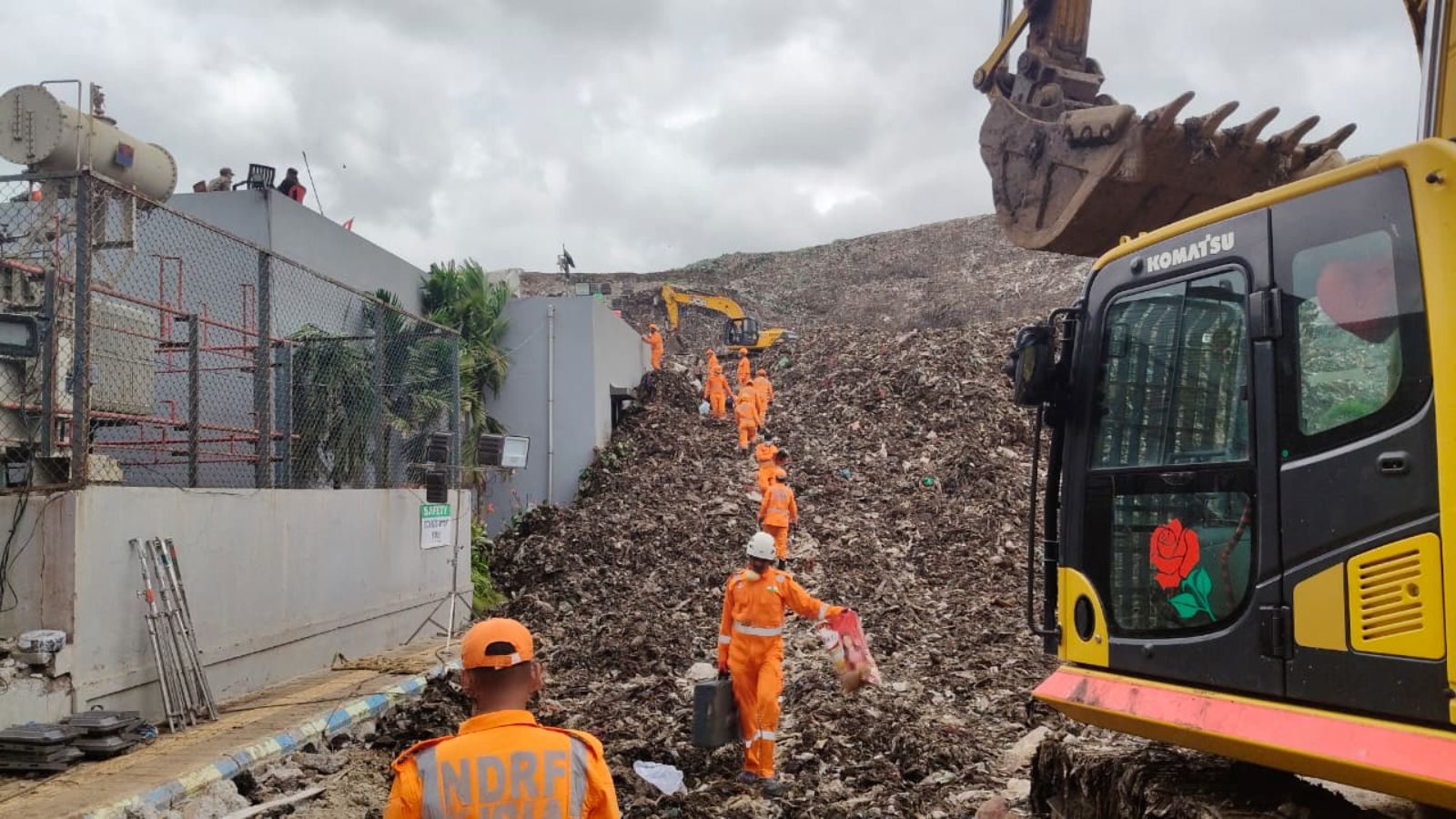
The Pimpri-Chinchwad Municipal Corporation has partially reopened the Moshi waste depot, six days after a rain‑triggered collapse killed nine workers. Only medical, CNG‑related and kitchen waste are currently being dumped, while the rest of the city’s refuse is diverted to alternative sites.
Key Takeaways
- Moshi depot partially reopened six days after the collapse
- Only medical, CNG and kitchen waste are currently accepted
- Investigation into negligence of officials and private firm continues
Six days after a rain‑induced mound of garbage collapsed onto a waste‑to‑energy plant building, killing nine employees, the Pimpri‑Chinchwad Municipal Corporation (PCMC) has reopened the Moshi waste depot on a limited basis. The collapse on July 8 saw a massive heap of waste slide onto the administrative block of the plant, prompting a city‑wide waste‑management crisis.
Current Operations at Moshi Depot
PCMC’s chief engineer Pramod Ombase told reporters that the depot is now receiving only medical waste, CNG‑related waste and kitchen waste. These streams are being dumped at a location away from the original collapse site to prevent any further structural failure. Ombase added that debris‑clearing teams have been instructed to finish the removal work within three days, after which normal waste dumping will resume.
Alternative Disposal Arrangements
Since the shutdown, the municipal body has been diverting the city’s daily generation of 1,400‑1,500 tonnes of waste to other facilities, notably the Khadki Cantonment Board dump behind Hotel Kalasagar in Vallabh Nagar and a secondary site in Dehu. Under normal conditions, about 400‑500 trucks transport waste to Moshi each day, highlighting the logistical strain caused by the closure.
Accountability and Ongoing Probe
The collapse has triggered a series of show‑cause notices. The municipal commissioner has accused Antony Lara Renewable Energy Pvt Ltd of “gross negligence” and warned of a possible FIR if its response is unsatisfactory. Former chief engineer Sanjay Kulkarni and executive engineer Yogesh Alhat have also been summoned for alleged negligence. Both officials, however, claim that unprecedented rainfall destabilised the waste mound, absolving them of direct fault.
Implications for Waste‑to‑Energy Projects
Experts warn that the incident underscores the fragility of large‑scale waste‑to‑energy facilities in monsoon‑prone regions. Strengthening structural integrity, improving drainage, and enforcing stricter inspection regimes are essential to prevent repeat tragedies. The episode may also prompt a broader review of India’s waste‑management policies, especially as urban centres grapple with rising waste volumes.