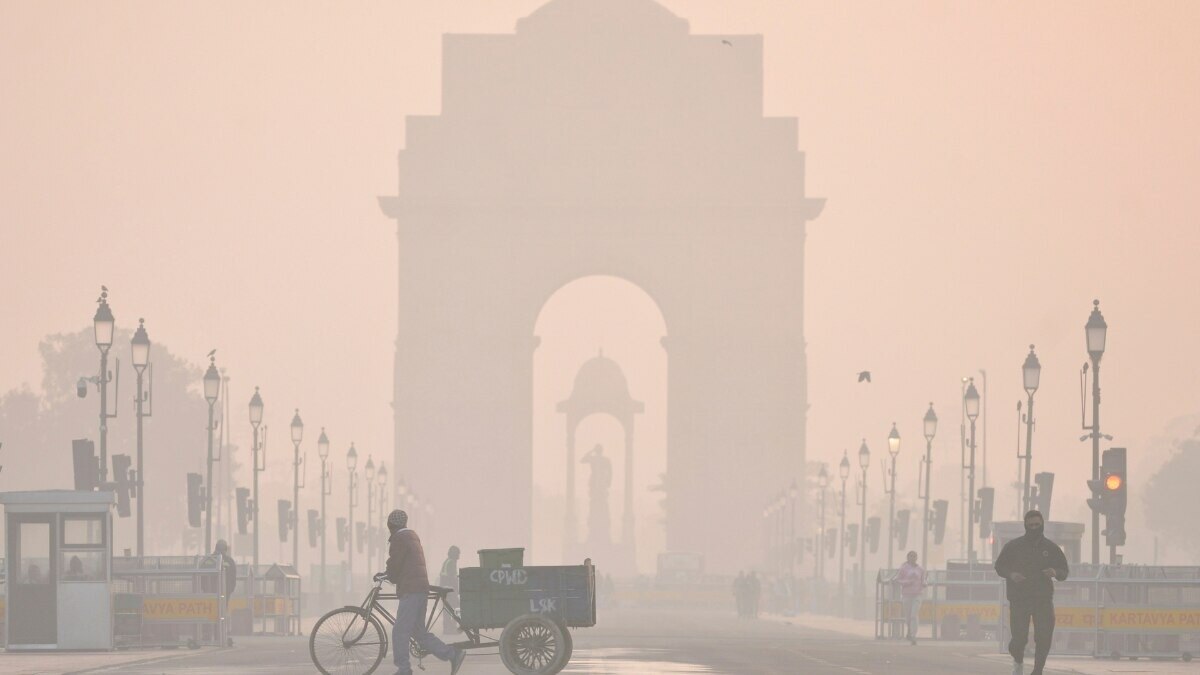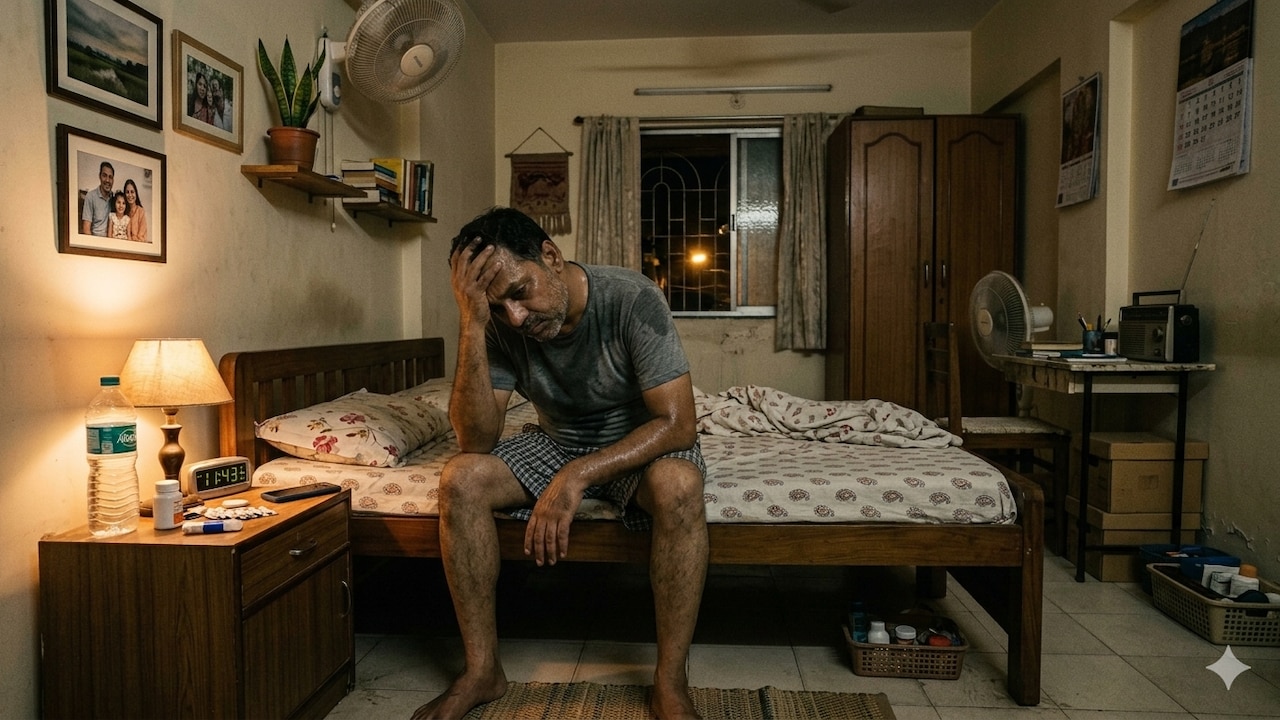
On July 1, 2021, Delhi logged a night-time low of 31.7°C, marking the warmest July night in the past five years. The extreme temperature surge raises concerns for public health, energy demand, and long‑term climate policy.
Key Takeaways
- Delhi recorded a minimum temperature of 31.7°C on July 1, 2021
- It marks the warmest July night in the past five years
- Elevated night temperatures can strain health services and energy consumption
On July 1, 2021, Delhi experienced a night‑time low of 31.7°C, setting a new record for the warmest July night in the city over the last five years. The unusually high minimum temperature left residents uncomfortable and triggered a surge in electricity usage as cooling systems ran through the night.
Historical Background
Over the past two decades, Delhi’s average temperatures have risen steadily, with several heatwaves pushing night‑time lows above 30°C. The 2015 heatwave saw similar highs, but the 31.7°C mark surpasses previous records, underscoring a clear upward trend. National climate panels have warned that urban heat islands amplify night‑time warming, a pattern now evident in India’s capital.
Why This Matters (इसके मायने क्या हैं)
Higher minimum temperatures directly affect public health. Heat‑related illnesses such as dehydration, heat exhaustion, and cardiovascular stress can occur even after sunset, especially for the elderly, children, and those with pre‑existing conditions. BozokMedia analysis shows that these abnormal warm nights increase hospital admissions and put additional pressure on health infrastructure.
From an energy perspective, sustained night‑time cooling drives up electricity demand. Continuous operation of air‑conditioners and fans strains the power grid, raising the risk of load‑shedding during peak summer months. If unaddressed, this could hamper economic productivity and exacerbate energy‑poverty concerns.
Dr. Anjali Mehta, a climate scientist, noted, "Rising night‑time lows exacerbate heat stress and increase electricity demand, challenging both health and energy sectors."
Frequently Asked Questions (अक्सर पूछे जाने वाले प्रश्न)
Q1: Does this warm night increase health risks?
A: Yes, higher night‑time lows elevate the risk of heat‑related ailments, particularly for vulnerable groups such as seniors, children, and patients with chronic illnesses.
Q2: Will electricity demand rise because of this temperature?
A: Elevated night temperatures lead to prolonged use of cooling appliances, increasing load on the power grid and raising the likelihood of power cuts during peak periods.