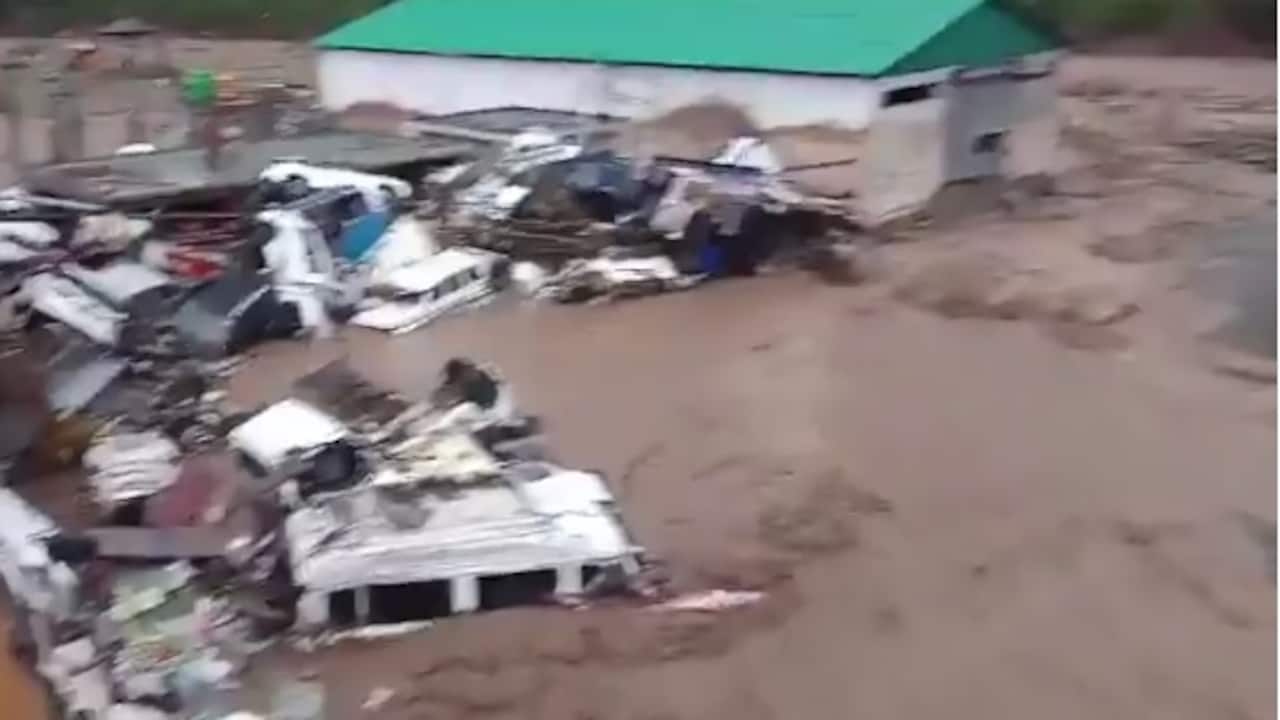
Heavy rains triggered flash floods in Rajouri, Jammu & Kashmir, causing rivers to burst their banks within minutes. The surge claimed one life, swept away several vehicles, damaged infrastructure, and forced evacuations.
Key Takeaways
- One fatality and multiple vehicles lost to the floodwaters.
- Rapid rise in water levels inundated low‑lying neighborhoods.
- Local authorities launched emergency evacuations and relief operations.
In the Rajouri district of Jammu and Kashmir, torrential rain gave rise to flash floods that breached riverbanks in a matter of minutes. The sudden surge submerged low‑lying areas, resulting in a tragic death and the loss of several private and public vehicles to the rushing waters.
The floodwaters damaged major roads, bridges, and power lines, crippling essential services. State officials quickly deployed rescue teams, provided temporary shelters for displaced families, and began distributing food and medical supplies. Schools and health centers were also affected, disrupting education and healthcare delivery.
Historical Background
Rajouri and its surrounding valleys have a long history of seasonal flooding. Notable incidents occurred in 1995, 2014, and 2021, each exacerbated by erratic monsoon patterns linked to climate change. Deforestation, inadequate drainage infrastructure, and reduced river‑bank capacity have collectively heightened flood risk over the decades.
"The intensifying monsoon variability driven by climate change has markedly increased the severity of floods in Rajouri, demanding immediate engineering interventions," said climatologist Dr. Anil Singh.
Why This Matters (इसके मायने क्या हैं)
According to BozokMedia analysis, flash floods like the one in Rajouri not only threaten lives but also impose substantial economic losses. Agricultural land, local commerce, and transport networks suffer extensive damage, hampering regional development and straining government budgets allocated for reconstruction.
For ordinary citizens, such disasters erode everyday security. Disruptions to water supply, health services, and schooling directly affect quality of life, underscoring the urgent need for robust water‑management policies and community‑level preparedness programs.
Frequently Asked Questions (अक्सर पूछे जाने वाले प्रश्न)
Q1: Which areas were most affected by the flood?
A: The low‑lying parts of Rajouri town, key roadways, schools, and health facilities experienced the greatest impact, leading to widespread residential and commercial damage.
Q2: Has the government announced any reconstruction plans?
A: Yes, the state government declared an emergency relief package and allocated special funds for long‑term drainage improvements and flood‑resilient infrastructure.