New research indicates a significant climate disparity in Jammu and Kashmir, with mountain regions warming rapidly while plains show a cooling trend.
Key Takeaways
- Mountainous regions of J&K are warming at a much higher rate than the plains.
- Jammu plains have recorded a slight cooling trend.
- Data was synthesized from 10 strategic weather stations across the region.
- Climate change is impacting the territory unevenly.
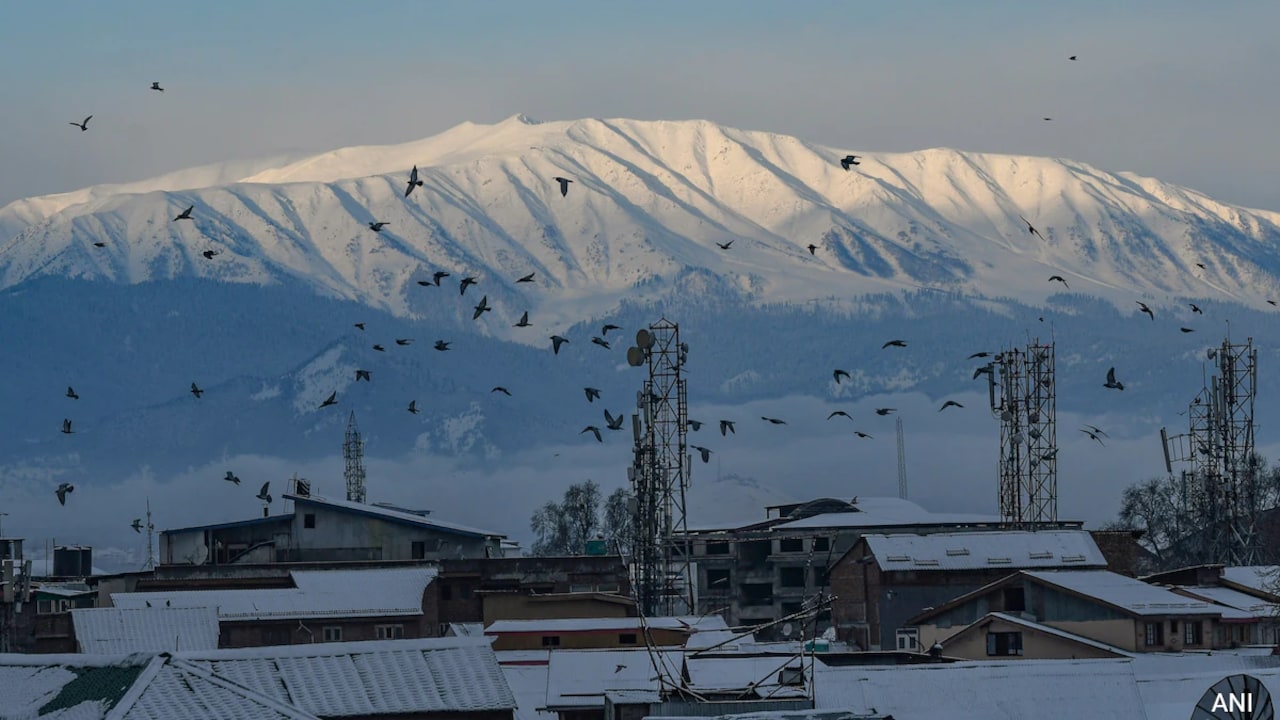
A recent scientific study has unveiled a stark disparity in the climatic patterns of Jammu and Kashmir. According to researchers, the mountainous terrains of the region are experiencing rapid warming, contrasting sharply with the plains. By analyzing observations from 10 distinct weather stations across the territory, the study highlights that climate change is not manifesting uniformly across the different altitudes of the region.
While the high-altitude zones are witnessing a significant rise in temperature, the plains of Jammu have unexpectedly shown a slight cooling trend. This divergence suggests that the atmospheric drivers affecting the valleys are fundamentally different from those impacting the rugged mountain ranges.
Why This Matters (इसके मायने क्या हैं)
BozokMedia analysis shows that this uneven warming is a critical indicator of ecological instability. The rapid heating of mountain slopes directly threatens the stability of glaciers. As these ice masses melt faster, the perennial rivers that sustain millions in the subcontinent face the dual threat of catastrophic flash floods in the short term and severe water scarcity in the long term.
For the local population, this means a shift in traditional agricultural calendars and increased vulnerability to natural disasters. While a cooling trend in the plains might seem beneficial for heatwave mitigation, the systemic imbalance caused by mountain warming could disrupt the entire regional hydrological cycle, affecting everything from hydropower to local horticulture.
The accelerated warming of high-altitude zones serves as a critical alarm for the fragile Himalayan ecosystem.
Historical Background
The Himalayan region has long been recognized as a 'climate hotspot.' Historically, mountains have acted as thermal regulators for South Asia. However, due to the reduction in the Albedo effect—where melting snow reveals darker ground that absorbs more sunlight—mountainous regions are now trapped in a feedback loop of increasing heat. This phenomenon explains why high-altitude regions often warm at rates higher than the global average.
| Feature | Mountainous Regions | Plains (Jammu) |
|---|---|---|
| Temperature Trend | Rapid Warming | Slight Cooling |
| Primary Impact | Glacial Retreat | Stable/Minor Shift |
| Long-term Risk | Hydrological Disruption | Agricultural Shifts |
Frequently Asked Questions (अक्सर पूछे जाने वाले प्रश्न)
Question 1: Why is mountain warming more concerning than plain warming?
Answer: Mountain warming triggers glacial melting, which can lead to unpredictable water supplies and devastating floods downstream.
Question 2: How many locations were studied in this research?
Answer: The study analyzed data collected from 10 different weather stations across Jammu and Kashmir.