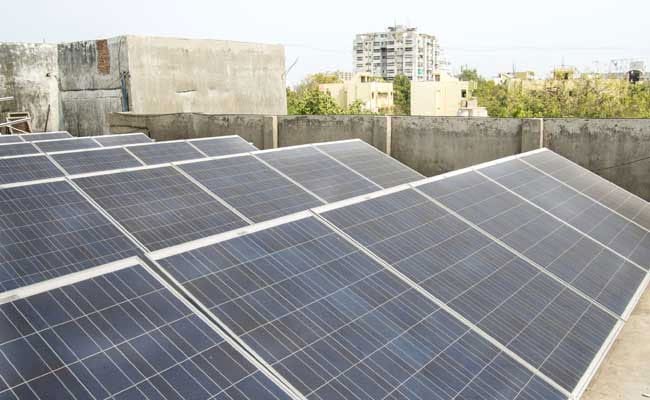
BSES outlines how a 1-kW rooftop solar system can slash power bills by over 50%, allowing Delhi residents to recover installation costs within three to five years and transition to zero-bill living.
Key Takeaways
- Delhi households can completely wipe out their power bills by transitioning to rooftop solar.
- A 1-kW solar system generates approximately 4 units of electricity daily, slashing bills by over 50%.
- The upfront installation cost is recovered within 3 to 5 years, offering free electricity for the remaining lifespan of the panels.
Amid soaring summer temperatures and record-breaking power demand in the national capital, Delhi's power distribution company BSES has highlighted a lucrative path toward energy independence. By adopting rooftop solar systems, Delhi residents can not only contribute to environmental conservation but also secure massive financial savings of up to Rs 1 Lakh annually.
According to technical data shared by BSES, a standard 1-kilowatt (kW) rooftop solar system generates about 4 units of electricity daily. For an average household, scaling this setup to a 3-kW or 5-kW capacity can effectively bring electricity bills down to zero. Under Delhi's progressive solar policy and net metering system, any surplus energy generated during the day is fed back into the state grid, offsetting night-time consumption.
Traditional Grid vs Rooftop Solar System
| Feature | Traditional Grid Electricity | Rooftop Solar System |
|---|---|---|
| Monthly Expenses | Constantly rising electricity bills | Negligible or zero electricity bills |
| Return on Investment (ROI) | Never (lifetime recurring expense) | Full recovery within 3 to 5 years |
| Environmental Impact | Coal-dominated (high carbon footprint) | 100% clean, green, and renewable |
| Revenue Generation | None | Earn credits by feeding excess power to the grid |
Why This Matters
BozokMedia analysis shows that rapidly expanding urban centers like Delhi face acute power infrastructure stress during peak summer seasons. Decentralized solar adoption mitigates grid congestion, reduces transmission losses, and insulates consumers from future tariff hikes. It shifts the power dynamic directly into the hands of the consumer.
Furthermore, an annual saving of up to Rs 1 Lakh provides crucial financial relief to middle-class households, freeing up capital for other essential expenditures. This widespread transition is highly aligned with India's ambitious national target of achieving 500 GW of non-fossil fuel energy capacity by the year 2030.
"Rooftop solar is no longer just an environmental choice; it has evolved into a highly secure, high-yield financial asset for urban homeowners."
Historical Background
The push for solar adoption has gained immense momentum with the central government's 'PM-Surya Ghar: Muft Bijli Yojana' alongside the Delhi Solar Policy 2024. These frameworks offer substantial capital subsidies and Generation-Based Incentives (GBI), where consumers are paid for every unit of solar energy they produce. Over the past decade, India's solar capacity has grown exponentially, positioning the nation as a global leader in renewable energy deployment.
Frequently Asked Questions
1. How much roof space is required for a 1-kW solar system?
A 1-kW rooftop solar system generally requires around 100 square feet of shadow-free rooftop area with direct access to sunlight.
2. Does net metering actually reduce my bill?
Yes. Net metering records both the electricity you consume from the grid and the excess solar power you export back to it. You are only billed for the net difference.