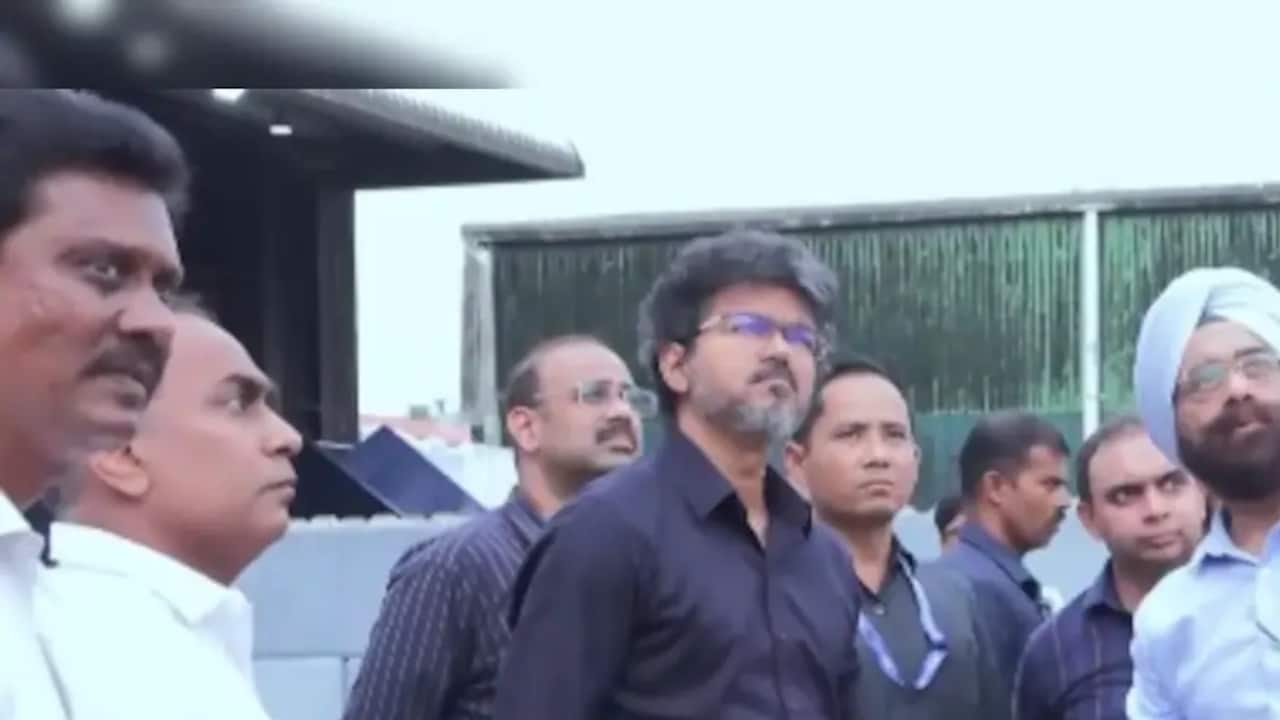
Chief Minister Vijay conducted a surprise inspection of Chennai's Bio-CNG plant, directing officials to enforce strict household waste segregation to combat the city's growing waste crisis.
In a decisive move to overhaul urban sanitation, Chief Minister Vijay conducted a surprise inspection of the Bio-CNG plant in Chennai today. The visit was aimed at assessing the operational efficiency of the plant and addressing the critical challenges faced by the city's waste management infrastructure.
During the inspection, the Chief Minister expressed concern over the quality of feedstock reaching the plant. He issued stern instructions to municipal officials to ensure source segregation of waste at the household level. He emphasized that the success of renewable energy projects like Bio-CNG depends entirely on the citizens' ability to separate biodegradable waste from non-biodegradable materials.
Why This Matters (इसके मायने क्या हैं)
BozokMedia analysis shows that Chennai is currently at a tipping point regarding its environmental sustainability. With nearly 6,150 tonnes of waste generated daily, and approximately half of it being non-biodegradable, the city's existing landfill-centric model is reaching its breaking point. Failure to segregate waste at the source leads to contamination, making it impossible to extract high-quality biogas from organic matter.
For the average citizen, this policy shift means a change in daily habits, but the long-term benefits include reduced landfill odors, cleaner air, and a more sustainable urban environment. Economically, transforming waste into Bio-CNG creates a circular economy where trash becomes a valuable energy resource, reducing the state's dependence on external fuel sources and creating green jobs.
"Effective waste management is no longer a luxury for urban centers; it is a fundamental necessity for survival in the face of rapid urbanization."
Historical Background
Historically, Chennai's waste management has relied heavily on massive landfills. However, as the city expanded and the population surged, these sites became environmental hazards, leading to groundwater contamination and public health crises. The shift toward scientific waste management—converting organic waste into energy—marks a significant evolution in the state's approach to environmental governance, moving from 'disposal' to 'recovery.'
| Feature | Current Scenario | CM Vijay's Vision |
|---|---|---|
| Waste Segregation | Mixed/Unsorted Waste | Mandatory Source Segregation |
| Waste Composition | ~50% Non-biodegradable | Optimized Organic Feedstock |
| Management Goal | Landfill Disposal | Scientific Bio-CNG Conversion |
Frequently Asked Questions (अक्सर पूछे जाने वाले प्रश्न)
Question 1: Why is source segregation so important?
Answer: It prevents non-biodegradable items (like plastic) from contaminating organic waste, allowing for efficient conversion into Bio-CNG.
Question 2: How much waste does Chennai generate daily?
Answer: Chennai generates approximately 6,150 tonnes of waste every single day.