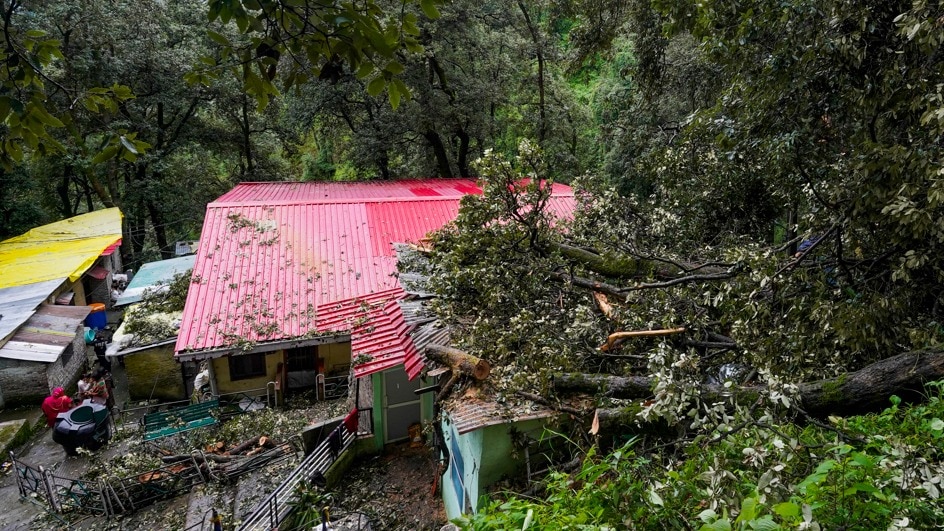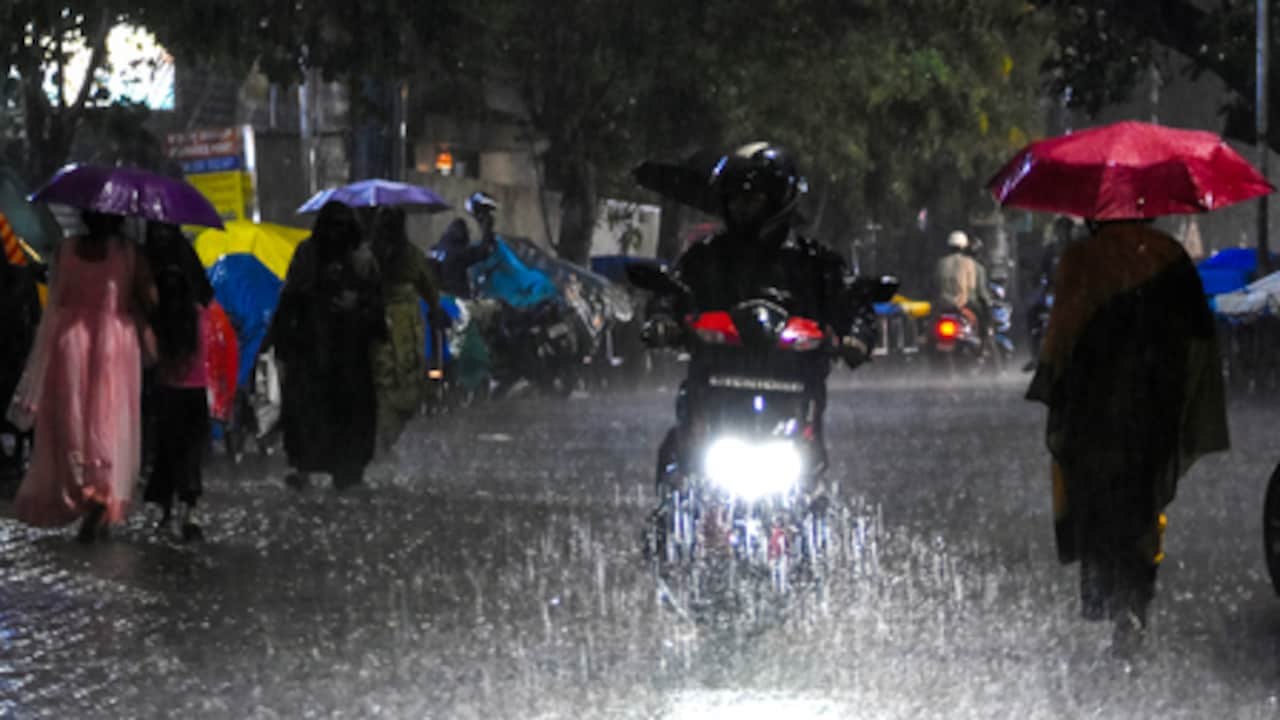
The Indian Meteorological Department (IMD) warns of intense thunderstorms across Uttar Pradesh in the coming days, urging residents to stay alert and prepared.
Key Takeaways
- IMD has issued a warning for widespread thunderstorms in Uttar Pradesh over the next 3‑4 days.
- Rainfall was recorded across multiple districts in the last 24 hours.
- Potential for flash floods and waterlogging calls for heightened vigilance.
The Indian Meteorological Department (IMD) reported that rainfall was recorded in several parts of Uttar Pradesh during the 24‑hour period ending Tuesday evening. The agency forecasts that the state will experience widespread thunder‑showers in the coming days, prompting a public advisory to remain cautious.
Historical Background: Uttar Pradesh typically enters the monsoon season in mid‑June, but climate change has made rainfall patterns more erratic and intense. In 2019, the state recorded over 300 mm of rain in a single event, leading to extensive flooding and infrastructure damage. This year’s early showers suggest a continuation of that trend, raising concerns for agriculture and urban drainage.
Why This Matters (इसके मायने क्या हैं)
BozokMedia analysis shows that prolonged thunderstorms can severely impact crop yields, disrupt road transport, and strain local economies. Farmers risk crop loss, especially for water‑intensive crops like rice and sugarcane, while rural communities may face setbacks due to damaged roads and delayed market access.
For ordinary citizens, sudden flash floods and water‑logging pose immediate safety hazards. State authorities have urged swift activation of emergency response teams and accelerated drainage projects to mitigate potential damage.
"Most thunderstorm‑prone regions experience rapid wind gusts and sudden flooding, so residents should stay alert and follow official guidance," said climate specialist Dr. Rajesh Mishra.
Frequently Asked Questions (अक्सर पूछे जाने वाले प्रश्न)
Q: Will the upcoming rain affect agricultural output?
A: Yes, especially for rain‑dependent crops such as paddy and sugarcane, which are vulnerable to water‑logging and disease outbreaks.
Q: Has the local government prepared emergency measures?
A: IMD and the state government have deployed rescue teams and issued directives to fast‑track water‑drainage operations in the most affected districts.