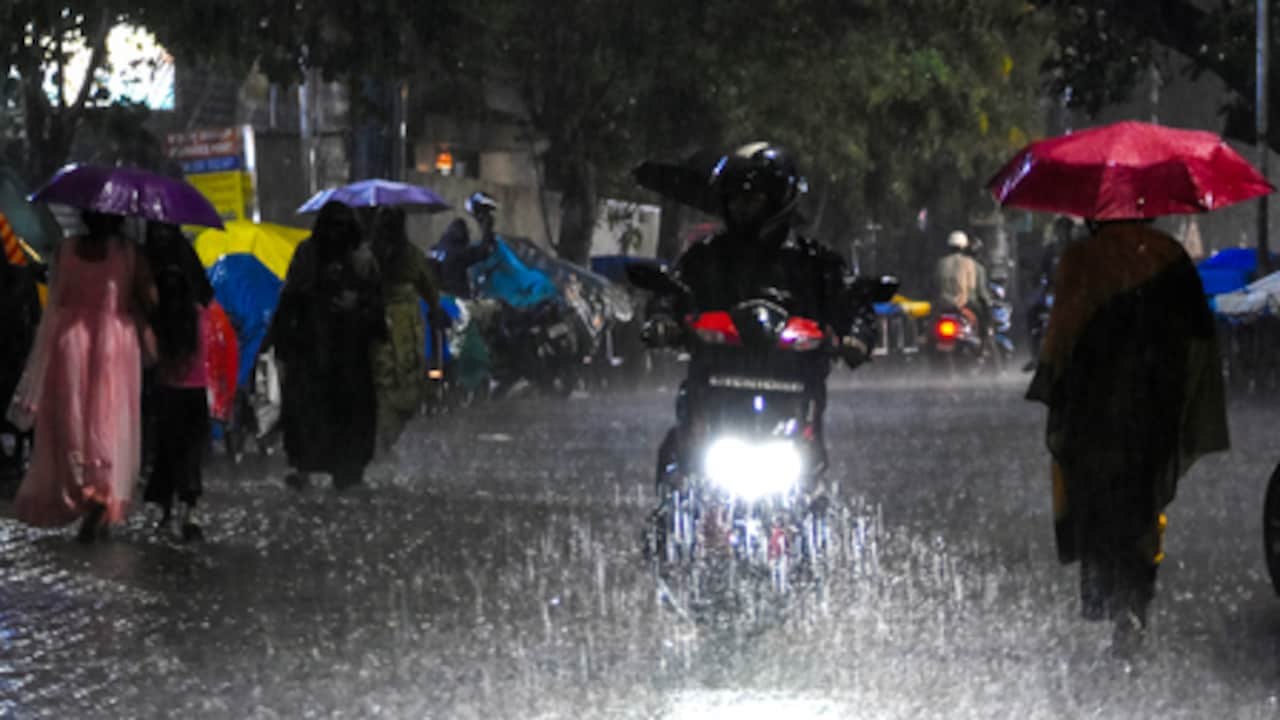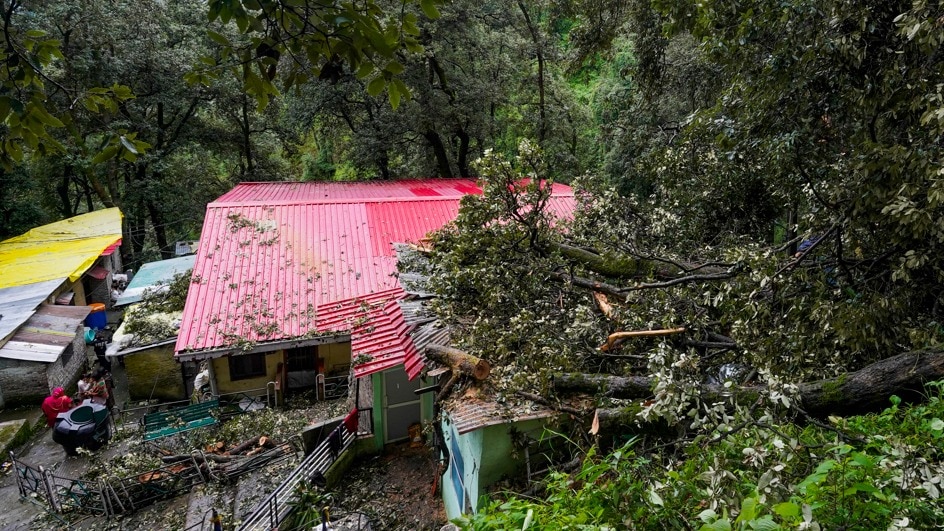
A sudden cloudburst in the Boh Valley of Kangra, Himachal Pradesh, left three people injured and caused damage to 18 houses. The weather department has issued flash‑flood and heavy‑rain alerts for the next 24 hours.
Key Takeaways
- Cloudburst in Kangra’s Boh Valley injures three people
- 18 houses and several livestock shelters suffer damage
- Flash‑flood and heavy‑rain alerts issued for the next 24 hours
A powerful cloudburst struck the Boh Valley in Kangra district on Tuesday night, triggering flash floods and massive debris flow. Three individuals were injured, and a total of 18 houses—13 pucca and five kutcha—along with nine cowsheds were damaged. Local officials reported the death of three buffaloes, four cows, one bull, and one sheep due to the sudden deluge.
The villages of Sapedi and Garun experienced the brunt of the water surge, while Lam village faced similar conditions. Landslides were reported in the Dibba and Maned Nallah areas, hampering rescue teams and administrative personnel from reaching affected sites. Several mountain roads became impassable, prompting authorities to urge residents to evacuate promptly.
The Himachal Pradesh weather department warned of a low‑to‑moderate flash‑flood risk across Chamba, Kangra, Mandi, Shimla, Sirmaur, and Kullu districts for the next 24 hours. An orange alert for heavy to very heavy rain was issued for isolated pockets in Kangra and Mandi, while a yellow alert for heavy rain covered parts of Chamba, Kullu, Shimla, Solan, and Sirmaur.
Why This Matters (इसके मायने क्या हैं)
According to BozokMedia analysis, sudden cloudbursts in mountainous regions like Himachal can cripple local infrastructure, disrupt agricultural cycles, and strain regional economies. The damage to homes and livestock shelters not only escalates reconstruction costs but also threatens food security for communities reliant on livestock and terrace farming.
Furthermore, the increasing frequency of such extreme weather events, driven by climate change, underscores the need for robust early‑warning systems and resilient infrastructure. Compliance with weather alerts, timely evacuations, and investments in modern drainage solutions are essential to safeguard lives and sustain economic stability.
"Upgrading mountain drainage networks is critical to mitigate the impact of cloudbursts in hilly terrains," noted climate expert Dr. Anika Singh.
Frequently Asked Questions (अक्सर पूछे जाने वाले प्रश्न)
Q1: Is there an ongoing relief operation?
A: Yes, district authorities, in coordination with local NGOs, have launched immediate relief distribution and medical assistance for the affected families.
Q2: What is the weather forecast for the next 48 hours?
A: The department advises staying vigilant as heavy rain and potential flash floods are expected, especially along riverbanks and low‑lying slopes.