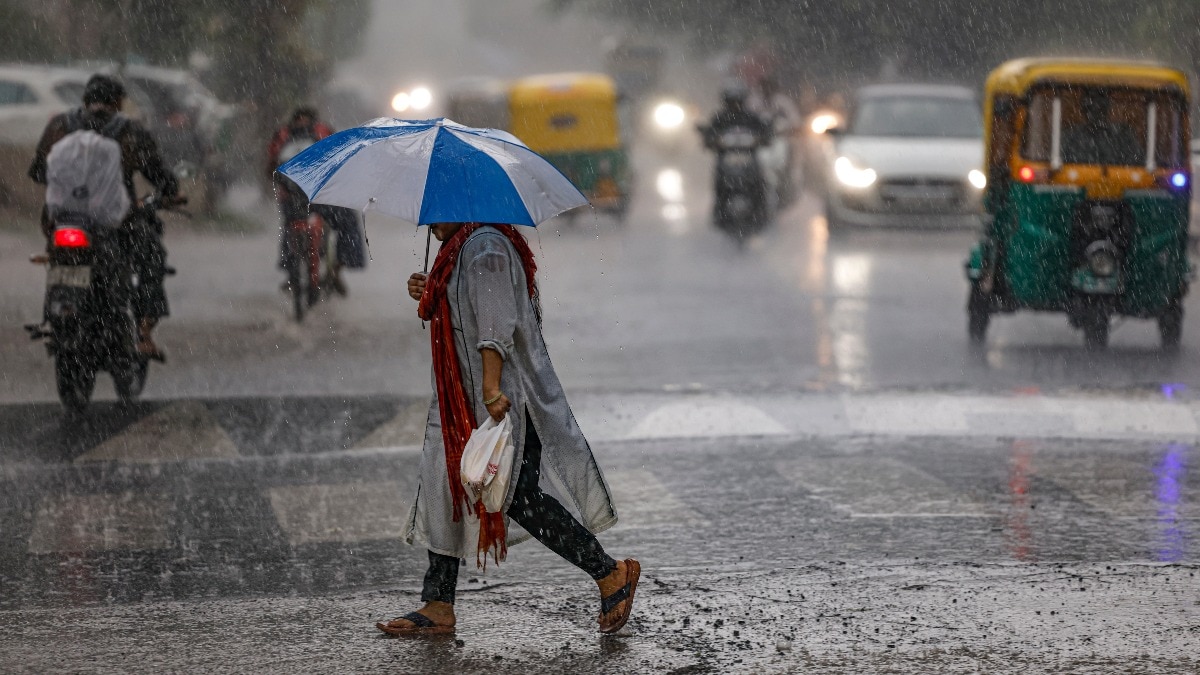
Delhi‑NCR will experience continuous rain over the next three days, with heavy showers expected between July 26‑28. Temperatures will dip, and traffic disruptions are likely as the monsoon intensifies.
Key Takeaways
- Heavy rain alert issued for Delhi‑NCR from July 26‑28
- Maximum temperature 32‑34°C, minimum 23‑25°C
- Rain expected to ease after July 29
The India Meteorological Department (IMD) has warned that monsoon activity will surge across Delhi‑NCR by the end of this week. Light showers are likely today, but from July 26 through July 28, the region could see moderate‑to‑heavy rain accompanied by strong gusts. Temperatures will hover between 32‑34°C during the day and drop to 23‑25°C at night, increasing humidity and raising water levels in local reservoirs.
Recent observations show that the city has already logged 12 mm of rain at the central weather station and 18.7 mm at Palam Airport, marking one of the season’s heaviest early‑season downpours. Several districts reported waterlogging, underscoring the growing intensity of the monsoon.
Historical Background
July in Delhi traditionally receives around 200 mm of rain, but exceptional years like 1999 and 2010 saw record‑breaking downpours that caused widespread flooding and traffic chaos. The monsoon usually begins in mid‑June; however, 2026’s delayed onset has produced uneven rainfall patterns, a hallmark of shifting climate dynamics.
Why This Matters (इसके मायने क्या हैं)
BozokMedia analysis shows that prolonged rain not only disrupts daily commutes but also impacts agricultural yields, construction schedules, and energy demand across the National Capital Region. The heightened risk of water accumulation could strain drainage systems and emergency services.
Furthermore, heavy precipitation is likely to cause traffic snarls and delays in public transport, affecting productivity for commuters and businesses alike. Authorities must prioritize drainage upgrades and rapid response mechanisms to mitigate these challenges.
“Rapid shifts in weather patterns are testing both agricultural resilience and urban infrastructure alike.” – Dr. Anita Singh, Climate Specialist
Frequently Asked Questions (अक्सर पूछे जाने वाले प्रश्न)
Is there a flood risk with this rain? Yes, especially in low‑lying neighborhoods where waterlogging and flash floods are possible; local officials have issued heightened alerts.
What precautions should travelers take? Commuters are advised to anticipate traffic congestion, consider alternate routes, and use public transport where feasible during heavy showers.


