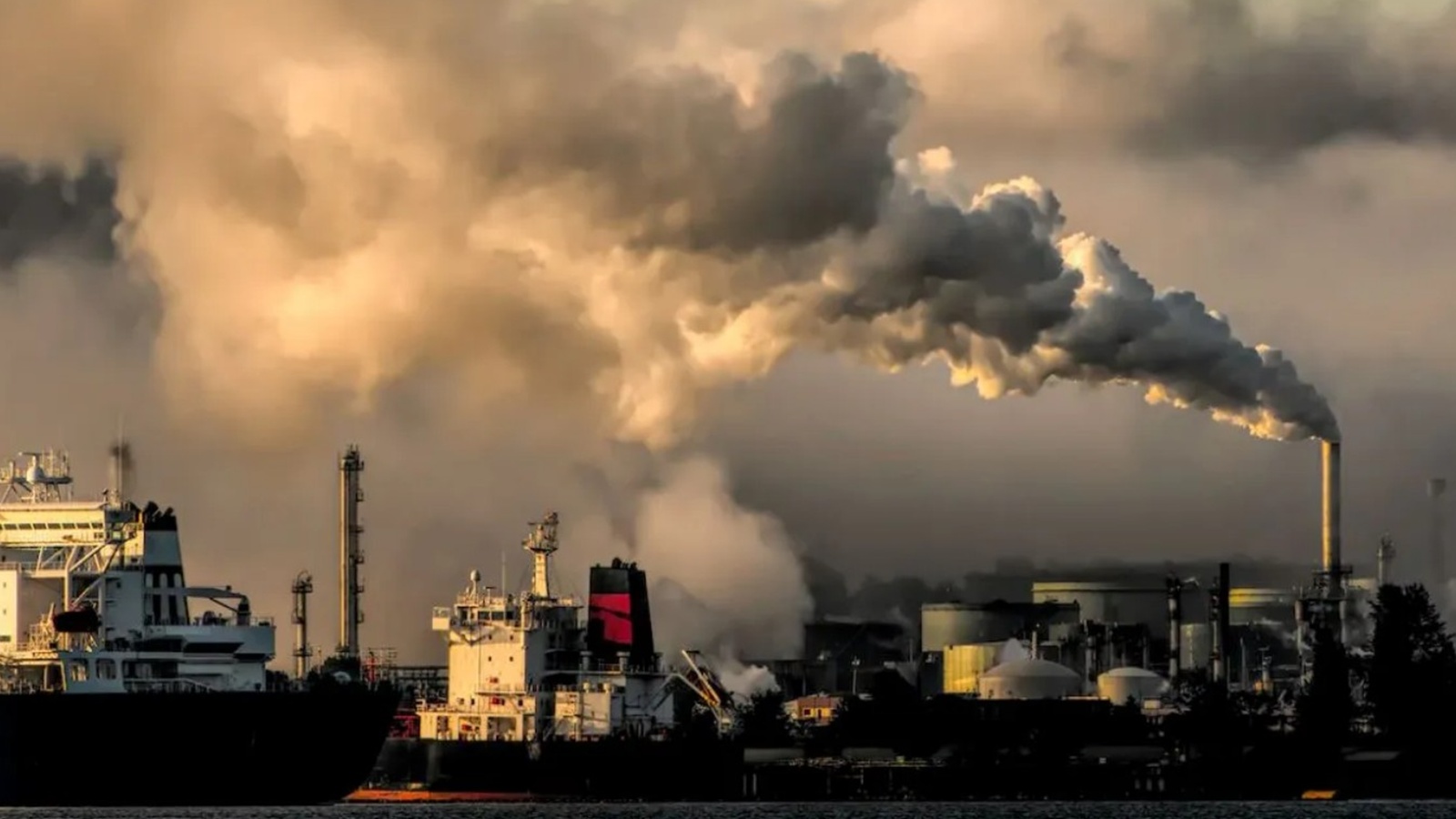
A bleak, first-of-its-kind report by the United Nations Environment Programme (UNEP) reveals that Earth is set to breach the critical 1.5°C global warming threshold within a few years. Instead of giving up, scientists are proposing an 'overshoot' strategy to peak and gradually lower temperatures through aggressive decarbonization and carbon capture.
- Earth will cross the safe 1.5°C warming threshold within the next few years due to fossil fuel emissions.
- The UN is shifting to an 'overshoot' strategy, aiming to temporarily cross the limit and cool the planet later.
- Remaining above the threshold means decades of severe weather disasters, rising sea levels, and species extinction.
In a major strategic pivot in the global fight against climate change, the United Nations has acknowledged that humanity has lost its window to prevent some of the most severe consequences of global warming. According to a bleak, first-of-its-kind report released by the United Nations Environment Programme (UNEP), the burning of coal, oil, and gas has put Earth on an irreversible path to breach the 1.5°C temperature limit set by the 2015 Paris Agreement.
Rather than conceding defeat, international scientists and UN officials are urging governments to adopt a damage-control strategy. The plan involves limiting the peak of this inevitable temperature spike and deploying massive resources to bring global temperatures back down to safer levels. However, this period of "overshoot" guarantees decades of escalating climate-driven disasters, rising sea levels, and widespread ecological disruption.
Why This Matters
BozokMedia analysis shows that this strategic shift represents a sobering reality check for global climate policy. By planning for an "overshoot," the UN is signaling that current emission reduction targets have effectively failed. The focus must now rapidly transition from pure prevention to aggressive adaptation and the deployment of carbon dioxide removal (CDR) technologies, which remain largely unproven at scale.
Currently, global temperatures stand at approximately 1.4°C above pre-industrial levels, calculated on a 20-year average. Under current national policies, the world is on track to reach a devastating 2.6°C of warming by the year 2100. Even under the most optimistic scenarios of rapid decarbonization, warming is expected to peak at 1.8°C around mid-century before starting a gradual decline.
"Humanity is speeding past the limit to avoid climate catastrophe. This is a call for urgent, unprecedented action, not resignation." - António Guterres, Secretary-General of the United Nations
To navigate this warmer world and initiate a cooling phase, the UN strategy relies heavily on two pillars: the immediate phase-out of fossil fuels and the rapid scaling of technologies capable of sucking carbon dioxide directly out of the atmosphere. Climate scientists warn that every five years of delay in cutting global emissions adds at least a tenth of a degree to the eventual peak temperature.
| Warming Scenario | Projected Peak Temperature | Expected Environmental Impact |
|---|---|---|
| Paris Accord Target | 1.5°C | Manageable sea-level rise, moderate extreme weather events |
| Optimistic Overshoot | 1.8°C (Mid-Century) | Severe multi-decadal disasters, gradual recovery by 2100 |
| Current Policy Path | 2.6°C (by 2100) | Catastrophic ice sheet melting, uninhabitable equatorial regions |
Frequently Asked Questions
Q1: What does climate "overshoot" mean?
Answer: Climate overshoot refers to a scenario where global temperatures temporarily exceed the target threshold of 1.5°C before active carbon removal and zero-emission policies gradually cool the planet back down below the limit.
Q2: Can carbon capture technology really reverse global warming?
Answer: While theoretically possible, carbon dioxide removal (CDR) technologies are currently expensive, energy-intensive, and have not yet been deployed at the massive global scale required to actively cool the planet.